Why Used Cooking Oil Is More Than Just Waste – It’s a Resource
Table of Contents
Introduction: Rethinking Used Cooking Oil
Why Used Cooking Oil Is Often Misunderstood
The Environmental Impact of Improper Oil Disposal
What Happens When Oil Goes Down the Drain
The True Value Hidden in Used Cooking Oil
How Used Cooking Oil Recycling Works
From Waste to Biodiesel: The Recycling Journey
Used Cooking Oil Recycling Near Me: Why Local Matters
Used Cooking Oil Disposal Near Me vs Recycling
Cooking Oil Waste Management for Commercial Kitchens
Benefits of Proper Oil Recycling for Restaurants
How Used Cooking Oil Supports Renewable Energy
Economic Benefits of Recycling Used Cooking Oil
Regulations and Compliance in Oil Disposal
Grease Traps and Used Cooking Oil Collection
Choosing the Right Recycling Partner
Common Myths About Used Cooking Oil Recycling
How Kernuco Helps Turn Waste Into Value
Best Practices for Managing Used Cooking Oil
Final Thoughts: Waste That Powers the Future
1. Introduction: Rethinking Used Cooking Oil
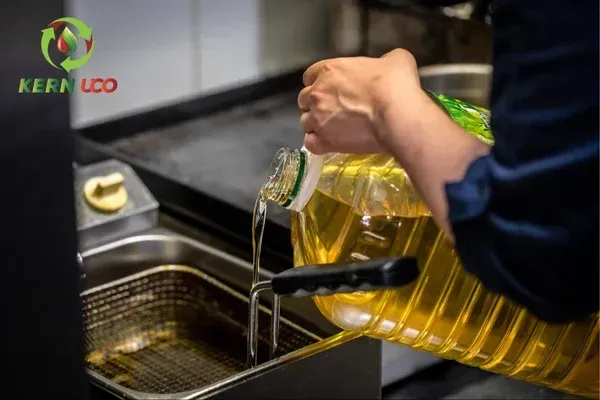
Used cooking oil is produced every single day in homes, restaurants, hotels, cafeterias, and industrial kitchens. Fryers run continuously, food is cooked at high temperatures, and oil eventually degrades. Once it reaches that point, it’s removed and replaced.
Traditionally, this oil was treated as garbage. But modern sustainability efforts have changed that perspective entirely.
Today, used oil is recognized as a renewable resource one that can be collected, refined, and reused instead of being wasted. This shift has transformed how kitchens approach used cooking oil recycling near me, making recycling not just an environmental responsibility but also a smart business decision.
2. Why Used Cooking Oil Is Often Misunderstood
Many people believe:
Used oil has no value
Recycling oil is complicated
Disposal is cheaper than recycling
Small kitchens don’t produce “enough” oil to matter
These misconceptions lead to harmful habits like pouring oil down drains or throwing it in trash bins. In reality, even small amounts of oil can cause serious environmental and plumbing problems.
Understanding the real value of used cooking oil is the first step toward responsible cooking oil waste management.
3. The Environmental Impact of Improper Oil Disposal
Improper oil disposal causes far-reaching damage:
Water pollution: Oil coats waterways and blocks oxygen exchange
Soil contamination: Oil dumped in landfills seeps into the ground
Wildlife harm: Animals ingest oil-contaminated water
Sewer blockages: Oil solidifies in pipes, causing massive clogs
Increased carbon emissions: Lost recycling opportunities increase fossil fuel use
One gallon of used cooking oil can contaminate up to one million gallons of water. That alone explains why responsible disposal matters so much.
4. What Happens When Oil Goes Down the Drain
Pouring oil down the drain may seem harmless but it’s one of the most damaging actions a kitchen can take.
Once oil cools, it solidifies. Inside sewer pipes, it mixes with grease, soap, and food waste, forming hard blockages known as fatbergs. These blockages:
Damage plumbing
Cause sewage backups
Create foul odors
Lead to expensive repairs
Trigger environmental fines
That’s why searching for used cooking oil disposal near me is far better than risking infrastructure damage.
5. The True Value Hidden in Used Cooking Oil
So what makes used cooking oil valuable?
Used oil is rich in lipids, which can be processed into:
Biodiesel fuel
Renewable diesel
Industrial lubricants
Animal feed ingredients
Soaps and detergents
Instead of being discarded, oil becomes a building block for cleaner energy and sustainable manufacturing.
6. How Used Cooking Oil Recycling Works
The recycling process is straightforward but highly effective:
Collection: Oil is collected from kitchens in sealed containers
Filtering: Food particles and water are removed
Refining: Oil is cleaned and processed
Conversion: Oil is transformed into biodiesel or other products
Reuse: The recycled oil re-enters the supply chain
This closed-loop system is a key part of modern cooking oil waste management.
7. From Waste to Biodiesel: The Recycling Journey
One of the most important uses of recycled oil is biodiesel production.
Biodiesel made from used cooking oil:
Produces fewer greenhouse gases
Reduces dependence on fossil fuels
Burns cleaner than petroleum diesel
Supports energy independence
Companies like Start Green Commodities play a major role in turning waste oil into renewable fuel, proving that oil waste can power the future.
8. Used Cooking Oil Recycling Near Me: Why Local Matters
Choosing used cooking oil recycling near me offers major advantages:
Faster pickup times
Lower transportation emissions
Better compliance with local regulations
Personalized service
Support for local sustainability initiatives
Local recycling partners understand regional rules and provide faster response when issues arise.
9. Used Cooking Oil Disposal Near Me vs Recycling
There’s a big difference between disposal and recycling.
Disposal:
Oil ends up in landfills or incinerators
No environmental benefit
Higher long-term costs
Risk of fines
Recycling:
Oil becomes renewable fuel
Reduces environmental impact
Often free or paid service
Supports sustainability goals
Choosing recycling over disposal is both financially and environmentally smarter.
10. Cooking Oil Waste Management for Commercial Kitchens
For restaurants and food businesses, oil management is critical.
A proper cooking oil waste management system includes:
Scheduled oil pickups
Safe storage containers
Staff training
Grease trap maintenance
Compliance documentation
Restaurants that ignore oil management face shutdowns, penalties, and health code violations.
11. Benefits of Proper Oil Recycling for Restaurants
Recycling oil offers real advantages:
Cleaner kitchens
Fewer pests
Reduced fire risks
Improved inspection results
Lower plumbing costs
Positive brand image
Potential rebates
Customers increasingly prefer businesses that operate sustainably.
12. How Used Cooking Oil Supports Renewable Energy
Recycled oil directly supports clean energy initiatives.
Each gallon of recycled oil helps:
Reduce fossil fuel extraction
Lower carbon emissions
Support green energy jobs
Create cleaner transportation fuel
Your kitchen’s waste oil becomes part of the renewable energy solution.
13. Economic Benefits of Recycling Used Cooking Oil
Beyond sustainability, recycling offers financial benefits:
Free pickup services
Reduced maintenance costs
Avoided fines
Possible oil buyback programs
Lower insurance risks
What once cost money to dispose of can now generate savings.
14. Regulations and Compliance in Oil Disposal
Many cities enforce strict regulations on oil disposal.
Non-compliance can lead to:
Heavy fines
License suspension
Sewer surcharges
Business closure
Using professional recycling services ensures full compliance.
15. Grease Traps and Used Cooking Oil Collection
Oil management doesn’t stop at fryers.
Grease traps capture fats before they reach sewer lines. Regular cleaning is essential and often paired with oil recycling services.
Learn more about professional grease trap cleaning and used cooking oil collection here:
16. Choosing the Right Recycling Partner
A good recycling partner provides:
Reliable pickup schedules
Clean storage containers
Emergency services
Compliance records
Transparent communication
Trust matters when managing waste responsibly.
17. Common Myths About Used Cooking Oil Recycling
Myth: Recycling is expensive
Truth: Most services are free
Myth: Small kitchens don’t matter
Truth: Every gallon counts
Myth: Disposal is easier
Truth: Recycling is safer and cleaner
18. How Kernuco Helps Turn Waste Into Value
Kernuco helps kitchens transform waste into opportunity by offering:
Professional oil collection
Safe disposal solutions
Grease trap cleaning
Environmental compliance support
Sustainable waste management systems
Kernuco ensures your oil never goes to waste.
19. Best Practices for Managing Used Cooking Oil
Let oil cool before transfer
Use sealed containers
Prevent contamination
Train staff regularly
Schedule consistent pickups
Keep documentation
Good habits make oil recycling seamless.
20. Final Thoughts: Waste That Powers the Future
Used cooking oil is not trash it’s a powerful resource with the ability to fuel vehicles, reduce emissions, and support a cleaner planet.
By choosing used cooking oil recycling near me, embracing responsible used cooking oil disposal near me, and committing to effective cooking oil waste management, kitchens of all sizes can make a meaningful impact.
What once clogged pipes and polluted waterways now powers renewable energy and sustainable growth.
Used cooking oil isn’t waste it’s the future.