Grease Trap Cleaning & Used Cooking Oil Collection: A Complete Restaurant Waste Management Plan
Introduction
Running a successful restaurant today requires far more than good recipes and friendly service. Customers expect high food quality, spotless kitchens, and responsible environmental practices. Health departments require strict compliance with sanitation rules. Cities enforce regulations to prevent pollution and plumbing problems. And restaurant owners must juggle all of these demands while trying to maintain efficient operations and profit margins.
In the middle of all these responsibilities lies a critical but often overlooked component of back-of-house management: waste handling especially grease trap cleaning and used cooking oil collection. These two processes are the backbone of a clean, compliant, safe, and sustainable food-service operation. When managed properly, your grease trap stays clean, your plumbing works flawlessly, your staff operate safely, and your kitchen remains compliant with environmental and health codes. When neglected, however, the consequences are costly, disruptive, and sometimes devastating.
In this comprehensive guide, we will explore how restaurants can create a complete waste management plan using professional grease trap cleaning and used cooking oil collection services. You will discover why proper waste handling matters, how it protects your business, and how partnering with experts like Kernuco can streamline your kitchen operations long-term. Whether you run a high-volume fry kitchen, a hotel restaurant, a café, a food truck, or a catering company, this guide will show you the smartest, safest, and most sustainable way to manage your restaurant waste.
Why Restaurants Need a Solid Waste Management Plan
Waste is a guaranteed by-product in any commercial kitchen, but how you handle it determines the cleanliness, efficiency, safety, and sustainability of your restaurant operations. Proper waste management isn’t optional anymore it’s a fundamental requirement for running a modern restaurant.
Here’s why:
1. It Protects Your Plumbing System
Grease, fats, and oils harden as they cool. When these materials enter drains, sinks, and sewer lines, they cling to the internal walls and slowly form thick blockages. Over time, this leads to:
Slow drainage
Foul smells
Backflow issues
Costly plumbing repairs
Emergency shutdowns
A single drain blockage can cost thousands of dollars and may force you to close your restaurant temporarily. A structured waste plan with scheduled used cooking oil collection and routine grease trap maintenance prevents these problems before they start.
2. It Ensures Health Code Compliance
Health inspectors closely evaluate how restaurants handle waste and for good reason. Improper waste management leads to contamination, pests, and unsafe working conditions. Restaurants that fail to comply with hygiene standards may face:
Fines
Violations
Forced closures
Negative inspection scores
Loss of customer trust
A consistent waste management plan shows inspectors that your business prioritizes hygiene and compliance.
3. It Improves Kitchen Efficiency and Safety
A disorganized waste system causes unnecessary chaos in the kitchen. Staff waste time moving leaking containers, cleaning spilled oil, or clearing blocked drains. Improper handling of hot oil also increases the risk of:
Slip-and-fall accidents
Burns
Fire hazards
When waste processes are structured and professional services handle collection, your team can focus on cooking instead of cleaning up preventable messes.
4. It Strengthens Your Restaurant Sustainability Practices
Customers today prefer restaurants that follow environmentally responsible habits. Sustainable actions like recycling used cooking oil and keeping grease out of sewer systems help reduce pollution and protect local ecosystems.
Restaurants that adopt strong restaurant sustainability practices often also benefit from enhanced brand reputation, customer loyalty, and operational cost savings.
5. It Saves Money Long-Term
A professional waste plan minimizes:
Emergency plumbing calls
Grease trap repairs
Drain snaking costs
Cleanup labor
Health inspection penalties
Plus, your used cooking oil can be recycled into biodiesel, creating additional value for your business.
This is why more restaurant owners are turning to expert waste partners like Kernuco, whose services support long-term savings and streamline operations.
Learn more about how Kernuco helps restaurants manage waste responsibly at Kernuco.
Breaking Down the Two Core Components of Restaurant Waste Management
A complete restaurant waste plan has two essential pillars:
Grease Trap Cleaning
Used Cooking Oil Collection
Each serves a different purpose, but together, they create a powerful waste-defense system that keeps your kitchen safe, clean, and efficient.
Part 1: Grease Trap Cleaning The First Line of Defense
Your grease trap is one of the most important pieces of equipment in your back-of-house plumbing system. It stops fats, oils, and grease (FOG) from entering sewer lines and causing major blockages.
But without proper maintenance, the grease trap becomes a hazard instead of a safeguard.
How a Grease Trap Works
A grease trap separates:
Grease & fats (floating layer)
Solids (sink to the bottom)
Water (flows through the middle layer)
Over time, however, grease and solids accumulate, reducing the trap’s effectiveness.
Signs Your Grease Trap Needs Cleaning
If you notice any of these warning signs, your trap is overdue:
Slow drainage
Strong foul odors
Grease overflow
Backflow into sinks
Frequent drain blockages
Unpleasant smells near the trap
A neglected grease trap is not only a plumbing problem it creates cleanliness issues, violation risks, and environmental harm.
Why Regular Grease Trap Cleaning is Essential
1. Prevents Blockages
Grease traps fill up quickly, especially in high-volume kitchens. Without routine cleaning, the trap stops separating FOG from wastewater, causing blockages in the system.
2. Avoids Health and Safety Violations
Inspectors expect grease traps to be maintained regularly. Overflowing traps can cause contamination, odors, and bacterial growth.
3. Reduces Repair Costs
Cleaning is significantly cheaper than repairing or replacing the entire trap or damaged plumbing lines.
4. Protects the Environment
Grease entering sewer systems contributes to fatbergs and sewage problems. Many cities issue heavy fines for improper FOG disposal.
5. Improves Kitchen Air Quality
A clean grease trap eliminates foul odors and moisture buildup that attract pests.
How Often Should You Clean Your Grease Trap?
While frequency varies by restaurant size and volume, most establishments need cleaning:
Every 1 to 3 months for standard kitchens
Monthly for high-volume fry kitchens
Every few weeks for hotels and caterers
As needed based on grease output
Partnering with a professional service ensures your trap never becomes a problem.
Part 2: Used Cooking Oil Collection The Smart, Sustainable Disposal Solution
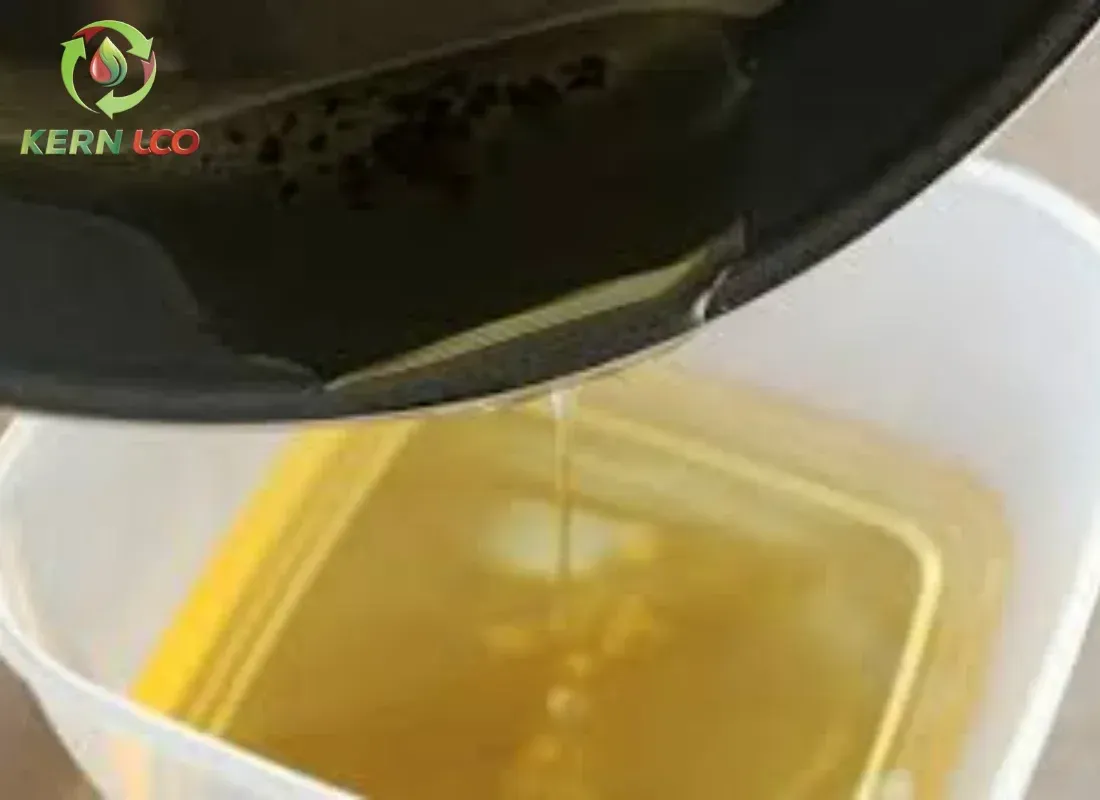
Cooking oil is one of the most frequently used and discarded materials in a commercial kitchen. But improper disposal can cause immense damage to plumbing, attract pests, and violate environmental regulations.
This makes professional used cooking oil collection a necessity not just a convenience.
What Happens When Restaurants Mishandle Used Oil
Many restaurants unknowingly create problems by:
Pouring small amounts of oil down the drain
Storing oil in open or makeshift containers
Letting oil spill onto floors or alleys
Allowing oil to leak into soil or storm drains
The consequences include:
Severe clogs
Bad odors
Plumbing failures
Pest infestations
Grease trap overload
Environmental contamination
Professional collection eliminates all these risks.
How Professional Used Cooking Oil Collection Works
When your restaurant partners with a company like Kernuco, the process becomes simple:
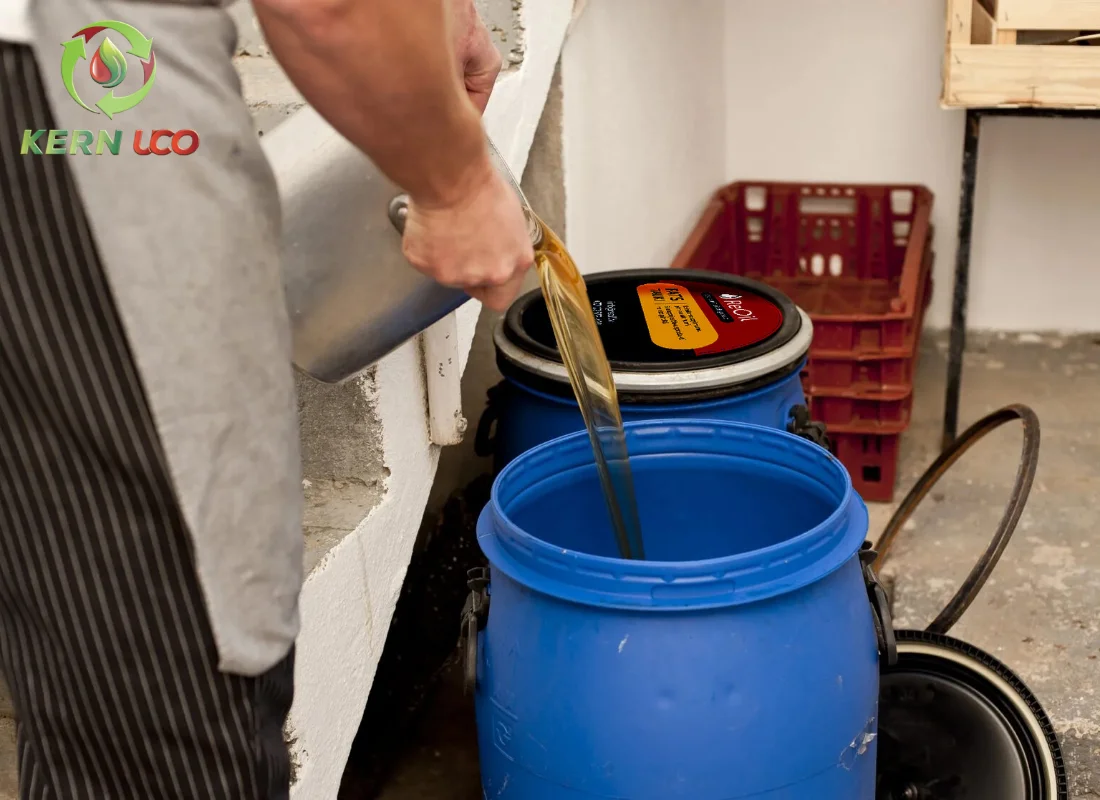
You are provided with sealed, rodent-proof oil storage containers
Staff deposit used oil safely into the container
Kernuco collects oil on a scheduled or on-call basis
The oil is recycled into biodiesel and other eco-friendly products
You receive documentation for compliance
Visit Kernuco to learn how the service works.
Benefits of Professional Used Cooking Oil Collection
1. Prevents Drainage and Plumbing Issues
Oil should never enter drains. Collection ensures it stays contained until pickup.
2. Improves Kitchen Safety
No slipping hazards, no hot oil mishandling, no leaky containers.
3. Supports Restaurant Sustainability Practices
Recycling oil into biodiesel reduces environmental waste and carbon emissions.
4. Protects You from Health Code Violations
Health inspectors expect proper storage and disposal of used oil.
5. Creates a Cleaner, More Organized Kitchen
Designated oil containers keep your back-of-house clean and professional.
6. Eliminates Pests and Odors
Closed containers prevent the smell and mess that attract rodents and insects.
7. Saves Staff Time and Labor
Your team can focus on food, not waste handling.
8. May Provide Financial Value
High-volume restaurants can receive compensation or credits for recycled oil.
How Grease Trap Cleaning and Oil Collection Work Together
Many restaurants treat these services separately, but they are deeply interconnected.
When used cooking oil is disposed of properly, grease traps fill more slowly
Clean grease traps reduce the frequency of drain blockages
Cleaner drains lighten the load on plumbing systems
Together, they prevent environmental contamination
Both processes support stronger sustainability practices
Restaurants that combine both services enjoy significantly smoother operations and fewer emergencies.
The Role of Sustainability in Modern Restaurant Operations
Consumers today care deeply about environmental impact. Restaurants with strong sustainability practices benefit from:
Increased customer trust
Higher brand loyalty
Lower waste management costs
Better community relationships
Compliance with evolving environmental regulations
Using services like used cooking oil collection and responsible grease trap cleaning supports your sustainability goals effortlessly.
Businesses around the country are adopting greener methods many featured on industry platforms such as NW Grease, which highlights eco-friendly waste solutions. Explore sustainability-focused waste services at NW Grease.
Building a Complete Waste Management Plan for Your Restaurant
To operate efficiently, your restaurant needs a consistent waste-handling strategy. Here’s what a strong plan looks like:
1. Scheduled Grease Trap Cleaning
Every 1–3 months depending on usage.
2. Professional Used Oil Pickup
Weekly, bi-weekly, monthly, or on demand.
3. Staff Training
Employees should understand:
Where to store used oil
How to avoid spills
What NOT to put down the drain
Why grease trap maintenance matters
4. Proper Storage Solutions
Use only sealed, leak-proof, pest-resistant containers provided by professionals.
5. Documentation for Compliance
Keep a record of:
Pickup schedules
Cleaning logs
Recycling documentation
Waste manifests
6. Sustainable Disposal Methods
Recycle everything that can be recycled, including cooking oil.
7. Partner With Reliable Providers
Work with experienced companies that specialize in environmental waste management like Kernuco.
Why Restaurants Trust Kernuco for Waste Management
Kernuco offers comprehensive solutions that simplify restaurant waste handling from start to finish:
Reliable used cooking oil collection
Professional grease trap cleaning
Eco-friendly recycling processes
Sealed, clean oil storage containers
Flexible pickup schedules
Affordable pricing
Full compliance documentation
Fast customer support
Kernuco takes care of the messy side of kitchen operations so your team can focus on what matters delivering great food and great service.
Learn more at Kernuco.
Final Thoughts: A Cleaner, Greener, More Efficient Restaurant Starts With Proper Waste Management
A functional, efficient restaurant isn’t just about what customers se it’s about the systems running behind the scenes. Grease trap cleaning and used cooking oil collection form the backbone of a clean, safe, environmentally responsible commercial kitchen.
When you implement a complete waste management plan, you gain:
Cleaner kitchens
Safer working conditions
Fewer plumbing issues
Lower maintenance costs
Better health inspection scores
Stronger sustainability practices
A more efficient team
A more profitable operation
The smartest restaurants don’t wait for problems to happen they prevent them.
Partnering with a reliable company like Kernuco ensures your waste processes are seamless, compliant, and environmentally responsible from start to finish.