Restaurant Waste Management: A Simple Guide for Owners
Table of Contents
Why Waste Management Deserves a Seat at the Table
The Three Categories of Restaurant Waste You're Actually Dealing With
Used Cooking Oil Recycling: The Piece Most Owners Get Wrong
Restaurant Oil Disposal: What Not to Do (And Why It's Tempting Anyway)
Building an Oil Waste Management System That Fits a Busy Kitchen
Grease Traps: The Silent Partner in Your Waste Strategy
Cost Savings You're Probably Leaving on the Table
Compliance, Fines, and the Paper Trail You Need
Simple Daily and Weekly Habits That Keep Everything on Track
Choosing the Right Partners for Long-Term Success
Final Thoughts
Frequently Asked Questions
Why Waste Management Deserves a Seat at the Table
Think about it this way: every ingredient that comes through your back door eventually becomes one of three things food on a plate, food waste, or grease and oil byproduct. Most kitchen owners obsess over the first category (understandably, that's where the money is) and treat the other two as afterthoughts. But afterthoughts have a funny way of becoming expensive emergencies.
A clogged grease trap on a Saturday night doesn't care that you're slammed with reservations. A missed oil pickup doesn't care that your storage container is already overflowing into the alley. Waste management isn't glamorous, but it's foundational like the plumbing behind your walls. Nobody thinks about it until it fails, and then it's all anyone can think about.
The Three Categories of Restaurant Waste You're Actually Dealing With
Before diving into solutions, it helps to separate what you're actually managing, because each category needs a different approach.
Food waste covers prep scraps, spoiled inventory, and plate returns. Solid waste includes packaging, cardboard, and general trash. And then there's oil and grease waste arguably the trickiest of the three, because it's not solid, it's not exactly liquid once it cools, and it causes problems that are invisible until they suddenly aren't.
Most restaurants have decent systems for the first two. Composting programs, recycling bins, dedicated trash pickup schedules these are common enough that owners rarely think twice. Oil, though, tends to get neglected, poured into whatever container is closest, or worse, dumped somewhere it absolutely shouldn't be.
Used Cooking Oil Recycling: The Piece Most Owners Get Wrong
Here's a scenario that plays out in kitchens everywhere: the fryer oil finally breaks down after a few hundred baskets of fries, and someone on the line needs to get rid of it fast because service is starting in twenty minutes. What happens next often depends entirely on habit, not strategy.
Used cooking oil recycling is the process of collecting that spent oil and sending it off to be repurposed typically into biodiesel, but also into animal feed additives, soap bases, and industrial lubricants. It sounds like a small operational detail, but the impact adds up fast. A single mid-sized restaurant can generate hundreds of gallons of used oil annually. Multiply that across a city, and you're looking at a genuinely significant volume of material that either becomes an environmental liability or a renewable resource, depending entirely on how it's handled.
The mistake most owners make isn't malicious it's just a lack of a defined process. Oil recycling works best when it's treated like any other recurring kitchen task: scheduled, assigned to someone, and tracked. Without that structure, oil disposal becomes reactive instead of routine, and reactive decisions are almost always the expensive ones.
If you want a deeper breakdown of how a full waste strategy comes together in practice, Kern UCO's guide to restaurant waste management walks through the process step by step, from storage setup to pickup scheduling.
Why This Matters Beyond the Kitchen
Recycled cooking oil doesn't just disappear into some vague "eco-friendly" void. It has a tangible second life. Once collected, it's filtered and processed, often converted into biodiesel that fuels vehicles, generators, and increasingly, gets blended into aviation fuel research programs. Your fryer oil, in other words, might genuinely end up powering something useful instead of clogging a pipe or sitting in a landfill for years.
Restaurant Oil Disposal: What Not to Do (And Why It's Tempting Anyway)
Let's be honest about why bad oil habits happen. Pouring oil down a drain feels quick. Tossing a jug in the dumpster feels convenient. In the middle of a dinner rush, "quick and convenient" wins over "correct" almost every time that's just human nature under pressure.
But improper restaurant oil disposal has consequences that show up later, often when you least expect them. Oil poured down drains cools and solidifies inside pipes, gradually narrowing the passage until you're dealing with slow drains, backups, or full blockages. Multiply that across every restaurant on a city block doing the same thing, and municipalities end up spending enormous sums clearing what workers not-so-affectionately call "fatbergs" from sewer systems.
There's also the legal exposure to consider. Most cities have specific codes governing how commercial kitchens must handle fats, oils, and grease. Violating them isn't just a slap on the wrist it can mean fines, surprise inspections, or in repeat cases, real threats to your ability to keep operating. None of that is worth the five minutes saved by skipping proper disposal.
Building an Oil Waste Management System That Fits a Busy Kitchen
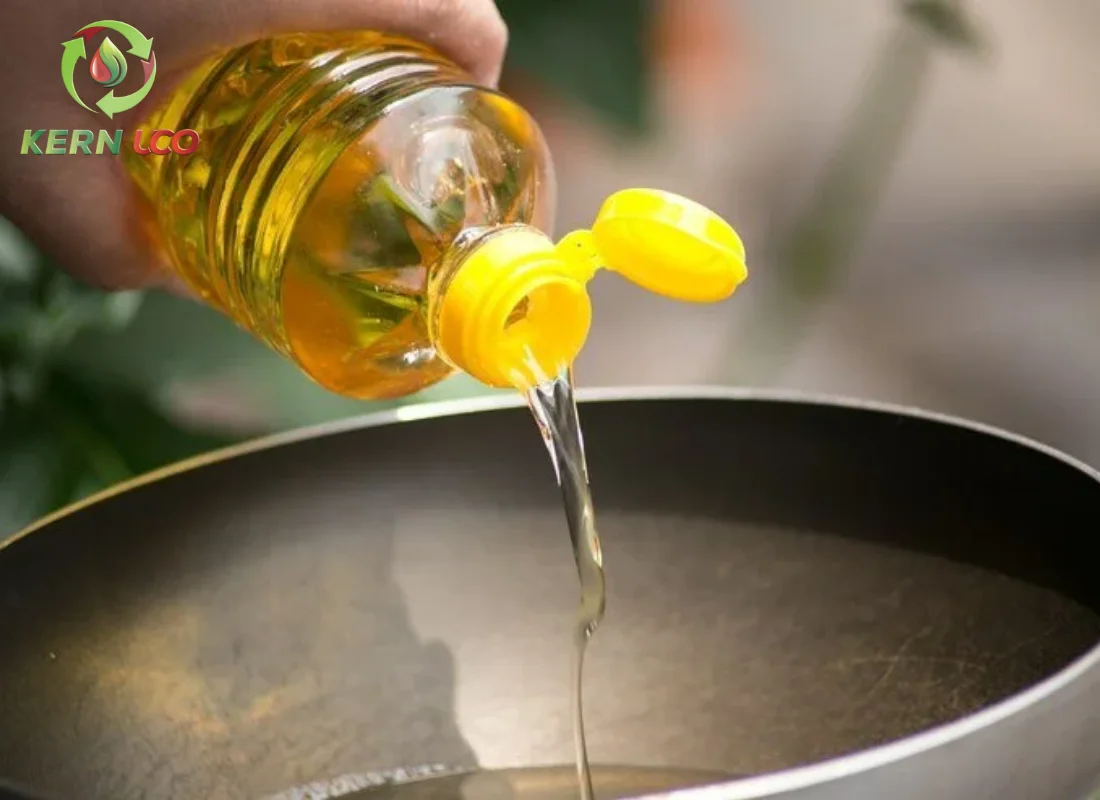
Here's the good news: fixing this doesn't require a complicated overhaul. Good oil waste management usually comes down to three simple pillars designated storage, a consistent pickup schedule, and one person accountable for the process.
Designated storage means having a proper, sealed container specifically for used oil, kept somewhere accessible but out of the main workflow. A consistent pickup schedule means partnering with a collection service that matches your volume, whether that's weekly, biweekly, or monthly. And accountability simply means one team member maybe a kitchen manager or a trusted line cook owns the responsibility of monitoring the container and flagging when it's near capacity.
Think of it like inventory management for something you're not trying to keep, just move along efficiently. The systems that work best treat oil disposal exactly like ordering produce: predictable, scheduled, and someone's clear job.
A Simple Weekly Checklist
Check oil container fill levels every closing shift
Confirm pickup dates are logged and communicated to staff
Wipe down and inspect the storage area for leaks or spills
Note any unusual odor or overflow issues immediately
Small habits like these prevent the kind of emergency scramble that happens when nobody's been paying attention for three weeks straight.
Grease Traps: The Silent Partner in Your Waste Strategy
You can have a flawless oil recycling routine and still run into trouble if your grease trap isn't part of the equation. Grease traps catch the fats, oils, and grease that inevitably wash off dishes, pans, and prep surfaces stuff that never makes it into your designated oil container but still needs somewhere to go.
Left unchecked, a grease trap fills up and stops doing its job, allowing FOG (fats, oils, and grease) to slip past into the plumbing system anyway. That's when you start smelling something off near the dish pit, or worse, dealing with a backup mid-service. Most commercial kitchens should have their grease trap cleaned every one to three months, though high-volume kitchens think fried food specialists or busy diners often need monthly attention.
Pairing a solid grease trap cleaning schedule with your oil recycling routine essentially creates a two-layer defense system. One handles the oil you deliberately remove; the other catches what slips through during normal daily operations. Together, they cover the full picture.
A good rule of thumb worth adopting: once your grease trap is roughly 25% full of accumulated FOG, it's time to schedule a cleaning rather than waiting for a fixed calendar date. Efficiency drops sharply past that threshold, meaning the trap starts letting more material through even though it looks, at a glance, like it's still doing its job. Training staff to recognize the early warning signs a lingering odor near the dish pit, slower drainage than usual, or visible buildup near the trap lid gives you a head start before a minor maintenance task turns into an emergency shutdown of your dish station during service.
It also helps to think of your grease trap the same way you'd think of an HVAC filter. Ignore it long enough, and the whole system has to work harder to compensate, using more energy and wearing down faster in the process. A grease trap that's cleaned on schedule keeps your plumbing operating efficiently, which in turn protects the rest of your kitchen's infrastructure from unnecessary strain.
Cost Savings You're Probably Leaving on the Table
Here's something a lot of owners don't realize until someone points it out: used oil isn't worthless. Depending on volume and local market rates, many recycling companies will actually pay restaurants for their spent cooking oil, or at minimum, offer free pickup that saves you from potential plumbing repair costs down the line.
Compare that to the alternative a clogged main line requiring emergency plumbing service, which can run into the thousands depending on severity, plus the lost revenue from a kitchen that can't operate normally during repairs. Suddenly, that "small operational detail" starts looking like a real line item on your budget, in either direction.
There's also a quieter cost-saving angle: insurance and liability. Restaurants with documented, compliant waste management practices are generally viewed more favorably during inspections and liability assessments than those with a history of violations or complaints. It's not the flashiest kind of savings, but it's real.
And then there's staff time, which owners tend to underestimate. When there's no defined system, someone inevitably ends up improvising searching for a spare container, making an emergency call to whoever will answer, or mopping up a spill that could've been avoided entirely. That's time pulled away from prep, service, or literally anything more productive. A defined oil waste management process removes that guesswork, which means less time firefighting and more time actually running the kitchen the way you intended to.
It's worth running the numbers for your own operation, too. Add up what you currently spend on emergency plumbing calls, any fines or corrective actions from the past year, and the staff hours spent dealing with disposal issues reactively. For a lot of restaurants, that total is far higher than the cost of a well-structured recycling and grease trap maintenance plan it's just spread out across the year in ways that don't show up as one obvious line item.
Compliance, Fines, and the Paper Trail You Need
Local regulations around commercial kitchen waste vary, but nearly every municipality has rules about how fats, oils, and grease must be handled, stored, and disposed of. The specifics differ, but the underlying expectation is consistent: restaurants are expected to prevent oil and grease from entering the public sewer system.
Keeping documentation pickup receipts, service records, grease trap cleaning logs isn't just busywork. If a health inspector or city official ever has questions, having a clear paper trail demonstrating consistent, compliant practices can be the difference between a quick conversation and a serious citation. It's the kind of thing you genuinely hope you never need, right up until the one time you do.
Simple Daily and Weekly Habits That Keep Everything on Track
Consistency beats intensity here. You don't need a massive overhaul; you need small, repeatable habits that become second nature to your team.
Start each shift with a quick glance at oil and grease storage levels. End each week with a review of what's scheduled for pickup and cleaning. Train new hires on proper oil handling from day one, rather than assuming they'll pick it up by osmosis. And keep communication open if a line cook notices the oil container filling faster than usual during a busy week, that's useful information for adjusting your pickup frequency before it becomes a problem.
Kitchens that treat waste management as part of the daily rhythm, rather than a once-a-month scramble, consistently avoid the expensive surprises that catch other owners off guard.
Choosing the Right Partners for Long-Term Success
Not every recycling or grease service is created equal, and choosing the right partner matters more than most owners initially assume. Look for companies that are transparent about where your oil actually ends up, licensed and insured for hauling, and consistent with their scheduling missed pickups create exactly the kind of overflow problems you're trying to avoid in the first place.
It's also worth exploring resources outside your immediate area for broader industry context. For instance, operators researching regional collection standards sometimes turn to established providers like Northwest Grease Recycling to compare service models and get a sense of what a well-run collection program should look like from the outside. Seeing how other regions structure their programs can be genuinely useful when you're refining your own approach.
Ultimately, the right partner should feel less like a vendor you tolerate and more like an extension of your kitchen operations reliable, communicative, and invested in keeping your waste systems running smoothly.
Final Thoughts
Restaurant waste management isn't the part of the business that gets celebrated, but it's absolutely one of the parts that determines whether your kitchen runs smoothly or lurches from one avoidable crisis to the next. Used cooking oil recycling, proper restaurant oil disposal, and a thoughtful approach to oil waste management aren't complicated concepts they just require a little structure and consistency to actually stick.
Get the basics right designated storage, a reliable pickup partner, routine grease trap cleaning, and one accountable team member and waste management stops being a source of stress. It becomes just another well-oiled (sorry, couldn't resist) part of how your kitchen operates. And honestly, in an industry where so much feels unpredictable, that kind of quiet, dependable system is worth more than it gets credit for.
Frequently Asked Questions
1. How often should a restaurant schedule used cooking oil pickup? It depends on your kitchen's volume, but most restaurants fall somewhere between weekly and monthly pickups. High-volume fryer operations typically need more frequent service than smaller kitchens.
2. Can I get paid for my restaurant's used cooking oil? In many cases, yes. Depending on your local market and the volume you generate, some recycling companies offer payment for used oil, while others provide free pickup in exchange for the material.
3. What's the real difference between oil recycling and grease trap cleaning? Oil recycling deals with the oil you actively remove from fryers and cooking equipment, while grease trap cleaning addresses fats, oils, and grease that wash into your plumbing system during normal kitchen operations. Both are necessary for a complete waste management strategy.
4. What happens if my restaurant gets caught improperly disposing of oil? Consequences vary by municipality but can include fines, mandatory corrective action, and increased inspection scrutiny going forward. Repeat violations can escalate to more serious operational restrictions.
5. Is it worth switching recycling providers if I'm unhappy with my current service? Absolutely. Missed pickups, unclear pricing, or poor communication are all valid reasons to look elsewhere. A reliable provider should make your waste management process easier, not something you have to constantly worry about.