Grease Trap Cleaning and Used Cooking Oil Collection: What Every Restaurant Should Know
Table of Contents
Why Grease Management Matters for Restaurants
What Is a Grease Trap and How Does It Work?
The Importance of Used Cooking Oil Collection
Risks of Poor Restaurant Oil Disposal
Signs Your Grease Trap Needs Cleaning
How Often Should Grease Traps Be Cleaned?
Best Practices for Used Cooking Oil Collection
Choosing the Right Oil Recycling Partner
Environmental Benefits of Oil Recycling
Cost Savings and Revenue Opportunities
Common Mistakes Restaurants Make
Compliance and Regulations You Should Know
Final Thoughts: Building a Grease Management System That Works
Why Grease Management Matters for Restaurants
Every commercial kitchen produces grease, fats, and oils daily. From frying chicken to sautéing vegetables, oil usage is unavoidable. But what happens after that oil is used?
Without proper restaurant oil disposal, grease can clog pipes, damage plumbing systems, and even cause sewer overflows. This not only disrupts your operations but can also harm the environment and your brand reputation.
Effective grease management ensures:
Smooth kitchen operations
Compliance with local regulations
Reduced maintenance costs
Environmental responsibility
What Is a Grease Trap and How Does It Work?
A grease trap (also called a grease interceptor) is a plumbing device designed to capture fats, oils, and grease (FOG) before they enter the wastewater system.
How It Works
Wastewater flows into the grease trap
Fats and oils float to the top
Solids settle at the bottom
Clean water exits into the sewer system
Over time, grease accumulates and must be removed through regular cleaning.
👉 For a deeper understanding, you can check this helpful guide on grease trap maintenance:
The Importance of Used Cooking Oil Collection
Many restaurants still make the mistake of disposing of used oil improperly. This is where used cooking oil collection becomes essential.
Instead of dumping oil down the drain or throwing it in the trash, professional collection services:
Safely remove used oil
Store it in proper containers
Transport it for recycling
This not only protects your plumbing but also turns waste into a valuable resource.
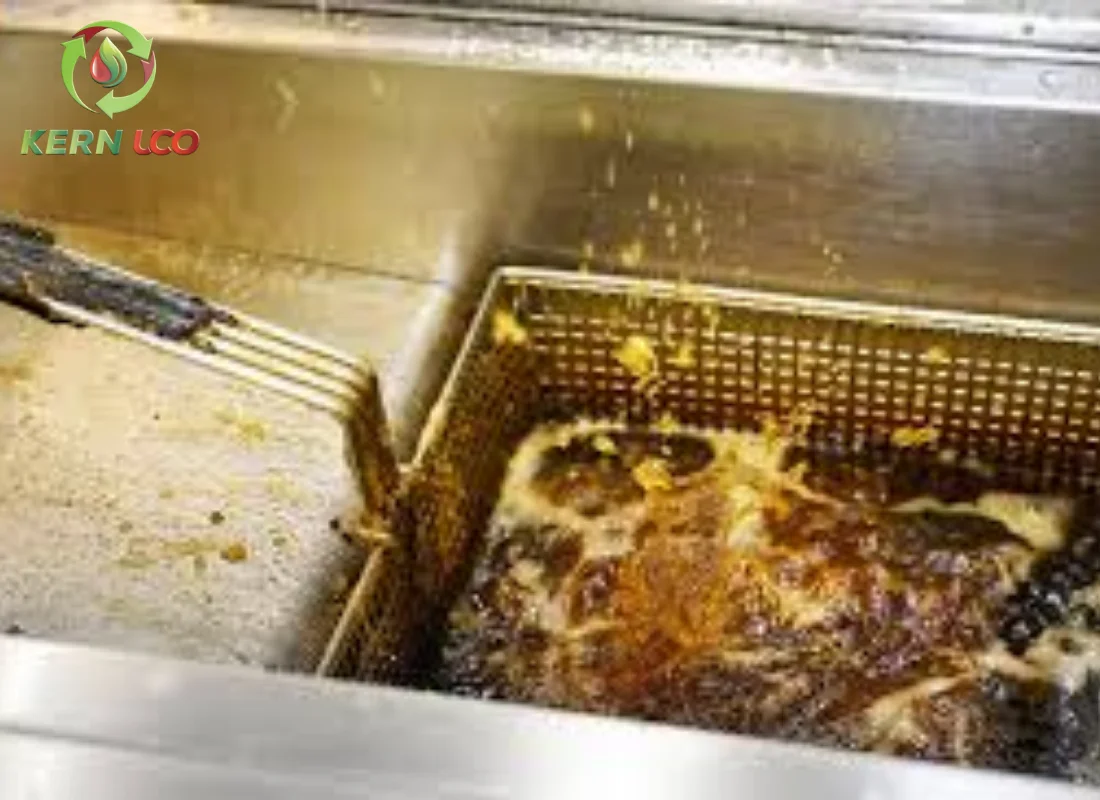
Risks of Poor Restaurant Oil Disposal
Ignoring proper oil management can lead to serious consequences:
1. Plumbing Disasters
Grease buildup can block pipes, leading to backups and expensive repairs.
2. Health Hazards
Overflowing grease traps can create unsanitary conditions in your kitchen.
3. Environmental Damage
Improper disposal contaminates water systems and harms wildlife.
4. Legal Penalties
Local authorities can fine businesses that fail to follow proper restaurant oil disposal practices.
Signs Your Grease Trap Needs Cleaning
Not sure when it’s time to clean your grease trap? Look out for these warning signs:
Slow drainage in sinks
Foul odors in the kitchen
Grease overflow
Increased pest activity
Gurgling sounds in pipes
Ignoring these signs can lead to major operational issues.
How Often Should Grease Traps Be Cleaned?
The cleaning frequency depends on your kitchen size and usage, but general guidelines include:
Small restaurants: Every 1–2 months
Medium kitchens: Every 1–3 months
High-volume kitchens: Monthly or more frequently
A good rule is the 25% rule: clean the trap when grease and solids reach 25% of its capacity.
Best Practices for Used Cooking Oil Collection
To manage oil efficiently, follow these best practices:
1. Use Proper Storage Containers
Always store used oil in leak-proof, labeled containers.
2. Train Your Staff
Ensure employees understand proper disposal procedures.
3. Schedule Regular Pickups
Partner with a reliable service for consistent used cooking oil collection.
4. Avoid Mixing Waste
Keep oil separate from food waste and chemicals.
5. Monitor Oil Usage
Track how much oil your kitchen uses and disposes of.
Choosing the Right Oil Recycling Partner
If you’ve ever searched for oil recycling near me, you know there are many options available. But not all services are created equal.
What to Look For:
Licensed and insured providers
Reliable pickup schedules
Proper recycling processes
Transparent pricing
Good customer reviews
A trustworthy partner ensures your oil is handled responsibly and sustainably.
Environmental Benefits of Oil Recycling
Used cooking oil isn’t just waste it’s a valuable resource that can be repurposed into:
Biodiesel fuel
Animal feed additives
Industrial lubricants
Cost Savings and Revenue Opportunities
Here’s something many restaurant owners don’t realize: your used oil can actually make you money.
How?
Some companies pay for collected oil
Reduced plumbing and maintenance costs
Lower risk of fines and penalties
By implementing proper used cooking oil collection, you’re not just managing waste you’re optimizing your business.
Common Mistakes Restaurants Make
Avoid these costly errors:
1. Pouring Oil Down the Drain
This is one of the biggest causes of plumbing issues.
2. Skipping Regular Cleaning
Delaying grease trap maintenance leads to bigger problems.
3. Using Unlicensed Collectors
Improper handling can result in legal trouble.
4. Lack of Staff Training
Untrained staff often dispose of oil incorrectly.
Compliance and Regulations You Should Know
Most cities have strict rules regarding grease and oil disposal. These regulations are designed to:
Protect public sewer systems
Prevent environmental damage
Ensure food safety standards
Failure to comply can result in:
Heavy fines
Temporary shutdowns
Damage to your reputation
Staying compliant with restaurant oil disposal regulations is not optional it’s essential.
Building an Efficient Grease Management System
To keep your kitchen running smoothly, create a structured system:
Step 1: Install a Proper Grease Trap
Ensure it’s the right size for your kitchen.
Step 2: Schedule Routine Cleaning
Don’t wait for problems to arise.
Step 3: Partner with a Collection Service
Reliable used cooking oil collection is key.
Step 4: Train Your Team
Consistency starts with proper training.
Step 5: Monitor and Improve
Regularly review your processes and optimize where needed.
Final Thoughts: Smarter Kitchens Start with Better Oil Management
Grease trap cleaning and used cooking oil collection might not be the most glamorous part of running a restaurant but they are absolutely essential.
By taking a proactive approach, you can:
Avoid costly repairs
Stay compliant with regulations
Improve kitchen efficiency
Contribute to environmental sustainability
Whether you’re searching for oil recycling near me or looking to upgrade your current system, the key is consistency and the right partnerships.
In today’s competitive restaurant industry, even small operational improvements can make a big difference. And managing your oil the right way? That’s one of the smartest moves you can make.