Grease-Free Kitchens: Practical Oil Management Tips Every Restaurant Should Follow
Introduction:
Running a successful restaurant requires more than serving delicious food and delivering excellent customer service. Behind every thriving commercial kitchen is a system of operational practices that keep the business running efficiently, safely, and profitably. One of the most important but often overlooked areas of kitchen management is oil handling.
Every day, restaurants generate significant amounts of used cooking oil from fryers, grills, and food preparation processes. Without proper management, this waste can lead to clogged drains, unpleasant odors, health code violations, equipment damage, and unnecessary operating expenses.
The good news is that these problems are largely preventable. Through effective used cooking oil recycling, organized used cooking oil collection, and partnership with a reliable waste cooking oil collection service, restaurants can maintain cleaner kitchens, reduce costs, improve sustainability, and create safer work environments.
This comprehensive guide explores practical oil management tips every restaurant should implement to achieve a cleaner, more efficient, and more profitable kitchen.
Why Oil Management Matters in Commercial Kitchens
Many restaurant owners view used oil as simply another waste product that must be disposed of. However, improper oil handling can create a domino effect of operational challenges.
When oil is not managed correctly, restaurants often experience:
Drain blockages
Plumbing repairs
Grease buildup
Increased maintenance costs
Pest infestations
Safety hazards
Regulatory compliance issues
Conversely, a structured oil management program can transform kitchen operations and contribute directly to business success.
Proper oil management helps restaurants:
Maintain hygiene standards
Improve workplace safety
Reduce operational costs
Support sustainability initiatives
Protect plumbing systems
Enhance kitchen efficiency
Simply put, grease-free kitchens operate better.
Understanding the Challenges of Used Cooking Oil
Commercial kitchens produce large quantities of cooking oil throughout the week. Deep fryers, sauté stations, grills, and food preparation areas all contribute to oil waste.
Unlike ordinary kitchen waste, oil requires specialized handling because it can:
Harden inside pipes
Contaminate water systems
Create slip-and-fall hazards
Attract pests
Produce unpleasant odors
The larger the restaurant operation, the greater the potential impact of poor oil management.
This is why implementing an effective used cooking oil collection system should be a priority for every food service business.
The Benefits of Used Cooking Oil Recycling
One of the smartest ways to manage waste oil is through used cooking oil recycling.
Rather than treating used oil as garbage, recycling transforms it into valuable resources that can be reused in other industries.
Common products made from recycled cooking oil include:
Biodiesel fuel
Renewable energy products
Industrial lubricants
Agricultural products
For restaurants, recycling delivers benefits that extend far beyond environmental responsibility.
Reduced Disposal Costs
Professional recycling services often simplify disposal logistics and reduce waste management expenses.
Improved Sustainability
Today's consumers increasingly prefer environmentally responsible businesses. Oil recycling demonstrates a commitment to sustainable operations.
Better Kitchen Organization
Regular oil collection prevents waste accumulation and helps maintain cleaner workspaces.
Regulatory Compliance
Many municipalities enforce strict disposal regulations. Recycling services help restaurants remain compliant.
Practical Tip #1: Establish Dedicated Oil Storage Areas
One of the simplest ways to improve oil management is by creating a designated storage area.
Used oil should never be stored in random containers or temporary locations.
Effective storage practices include:
Using leak-proof containers
Labeling storage bins clearly
Keeping containers away from food preparation zones
Protecting storage areas from weather exposure
Monitoring fill levels regularly
Organized storage reduces spills and streamlines collection processes.
Practical Tip #2: Train Employees on Proper Oil Handling
Even the best oil management system can fail if staff are not properly trained.
Employee education should cover:
Safe Oil Transfer Procedures
Workers should understand how to move oil safely between equipment and storage containers.
Spill Prevention
Simple handling mistakes can create costly cleanup issues and safety hazards.
Recycling Protocols
Employees should know what materials can and cannot enter recycling containers.
Emergency Procedures
Staff should be prepared to respond appropriately to spills or equipment failures.
Consistent training helps create a culture of accountability and safety.
Practical Tip #3 is to arrange for regular collection of used cooking oil
Waiting until oil storage containers overflow creates unnecessary risks.
Regular used cooking oil collection prevents:
Overflow incidents
Storage capacity issues
Kitchen clutter
Unpleasant odors
Professional collection services provide predictable schedules that support efficient operations.
Restaurants that establish routine pickups often experience fewer disruptions and lower maintenance costs.
Practical Tip #4: Consider using a dependable waste cooking oil collection service, as they can help you properly dispose of your used oil.
A dependable waste cooking oil collection service can dramatically simplify restaurant operations.
Professional providers handle:
Collection logistics
Transportation
Recycling processes
Regulatory compliance
This allows restaurant managers to focus on serving customers rather than managing waste.
Businesses looking for trusted industry solutions often work with providers such as professional grease and oil collection specialists to ensure safe and efficient waste management.
Practical Tip #5: Monitor Oil Quality
Proper oil management begins before disposal.
Monitoring fryer oil quality helps restaurants:
Improve food consistency
Reduce oil consumption
Lower replacement costs
Maintain food safety standards
Restaurants should establish routine oil testing procedures and replace oil only when necessary.
This approach reduces waste while maximizing operational efficiency.
Practical Tip #6: Prevent Grease from Entering Drains
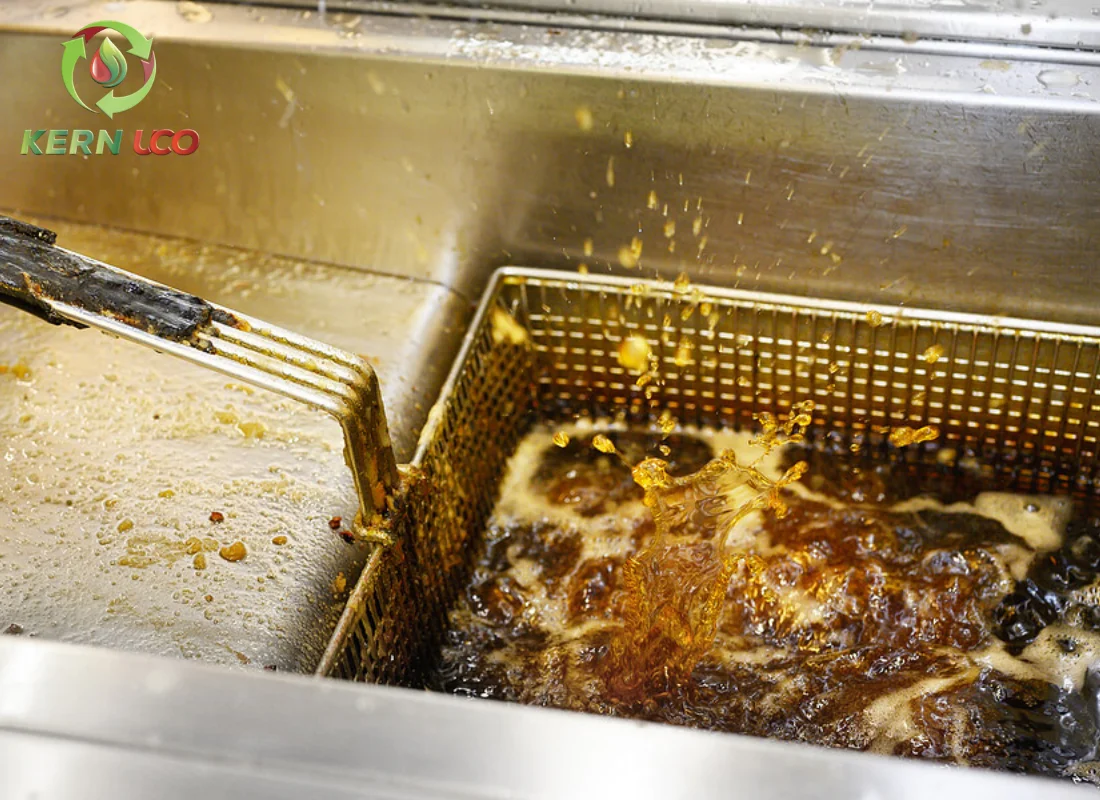
One of the most costly mistakes restaurants make is allowing grease and oil to enter plumbing systems.
Even small amounts accumulate over time.
Potential consequences include:
Drain clogs
Sewer backups
Emergency plumbing repairs
Foul odors
Employees should be trained to dispose of oil through designated collection systems rather than sinks or floor drains.
Practical Tip #7: Maintain Grease Traps Consistently
Grease traps serve as a critical barrier between kitchen operations and plumbing infrastructure.
Routine maintenance helps:
Prevent blockages
Reduce odors
Improve compliance
Extend equipment lifespan
Neglecting grease trap maintenance often leads to expensive repairs and operational disruptions.
Practical Tip #8: Create a Written Oil Management Policy
Documented procedures improve consistency across shifts and staff members.
A comprehensive policy should address:
Storage requirements
Collection schedules
Emergency procedures
Employee responsibilities
Cleaning protocols
Written guidelines reduce confusion and support accountability.
How Used Cooking Oil Recycling Supports Sustainability Goals
Environmental responsibility has become increasingly important in the restaurant industry.
Customers are paying attention to how businesses manage resources and waste.
Implementing used cooking oil recycling helps restaurants:
Reduce landfill contributions
Support renewable energy production
Lower environmental impact
Demonstrate corporate responsibility
These efforts can strengthen brand reputation and customer loyalty.
Common Oil Management Mistakes Restaurants Should Avoid
Many operational problems stem from avoidable errors.
Storing Oil Improperly
Unsecured containers increase the risk of spills and contamination.
Ignoring Collection Schedules
Delays often result in overflow and storage challenges.
Poor Employee Training
Inconsistent procedures lead to preventable mistakes.
Mixing Waste Streams
Combining oil with other waste materials can complicate recycling efforts.
Neglecting Equipment Maintenance
Faulty equipment increases waste and creates safety concerns.
Avoiding these mistakes can significantly improve kitchen performance.
Financial Benefits of Effective Oil Management
Many restaurant owners underestimate the financial value of proper oil management.
Reduced Maintenance Expenses
Preventative practices lower repair costs.
Improved Equipment Lifespan
Clean systems experience less wear and tear.
Enhanced Labor Efficiency
Staff spend less time managing waste-related issues.
Lower Risk of Compliance Penalties
Proper disposal practices help avoid costly fines.
Better Resource Utilization
Monitoring oil usage reduces unnecessary waste.
Over time, these savings contribute meaningfully to profitability.
Why Grease-Free Kitchens Improve Employee Safety
Safety should be a top priority in every restaurant.
Poor oil management creates numerous workplace hazards.
Common risks include:
Slips and falls
Burns
Fire hazards
Equipment malfunctions
Grease-free kitchens are safer, cleaner, and more productive.
Employees can focus on serving customers rather than navigating avoidable hazards.
Technology and the Future of Oil Management
Modern technology is making oil management more efficient than ever.
Emerging innovations include:
Automated Collection Systems
Reduce manual handling requirements.
Smart Monitoring Devices
Track container fill levels and collection needs.
Oil Quality Sensors
Optimize oil replacement schedules.
Data Analytics Platforms
Provide insights into waste generation patterns.
Restaurants that embrace technology often gain operational advantages and reduce costs.
Developing a Long-Term Oil Management Strategy
Effective oil management should be viewed as an ongoing business strategy rather than a one-time initiative.
A successful strategy includes:
Assessment
Evaluate current practices and identify weaknesses.
Implementation
Introduce structured storage, collection, and recycling systems.
Training
Educate employees regularly.
Monitoring
Track performance metrics and adjust procedures.
Continuous Improvement
Look for opportunities to increase efficiency and sustainability.
This proactive approach creates lasting operational benefits.
Learn More About Professional Waste Cooking Oil Collection Services
Restaurants seeking to improve their oil management systems can benefit from exploring professional collection solutions.
For additional guidance and industry insights, visit:
This resource provides valuable information about collection services, disposal best practices, and recycling opportunities for commercial kitchens.
Final Thoughts
A grease-free kitchen is not simply a cleaner kitchen it's a smarter, safer, and more profitable one.
By implementing practical oil management practices, restaurants can reduce costs, improve efficiency, strengthen sustainability efforts, and create better working environments for employees.
Whether through structured used cooking oil collection, professional waste cooking oil collection service partnerships, or comprehensive used cooking oil recycling programs, the benefits of effective oil management are substantial.
In today's competitive restaurant industry, every operational advantage matters. Proper oil management is one of the simplest and most impactful ways to support long-term success.
The restaurants that prioritize cleanliness, efficiency, and sustainability today will be the ones best positioned to thrive tomorrow.