Restaurant Sustainability Practices: From Grease Trap Cleaning to Oil Recycling Near Me
Introduction
Sustainability is no longer just a trend in the restaurant industry it's a responsibility. With rising environmental concerns, stricter regulations, and a growing number of eco-conscious diners, restaurants today must think beyond delicious food. They must build kitchens that operate responsibly, reduce waste, and protect local ecosystems.
From grease trap cleaning services to used oil recycling near me, every step a restaurant takes toward sustainability helps create a cleaner environment and a more efficient business. And the best part? These practices don’t just benefit the planet they often save money, prevent costly breakdowns, and support long-term operational health.
In this long-form, value-packed guide, we’ll cover everything restaurants need to know about implementing smart and effective restaurant sustainability practices, how oil recycling works, the importance of routine grease trap maintenance, and how partners like Kernuco make it easier to run an eco-friendly kitchen.
Why Restaurant Sustainability Practices Matter More Than Ever
Restaurants produce significant waste from cooking oil and grease to packaging and food scraps. But with the right approach, much of this waste can be minimized, repurposed, or recycled.
Here’s why sustainability matters:
1. Environmental Protection
Cooking oils and fats are major pollutants when not handled properly. Improper disposal can contaminate water systems, block drains, or harm local wildlife. Responsible recycling reduces pollution and supports cleaner communities.
2. Cost Savings
Sustainability practices, especially grease trap cleaning and oil recycling, reduce emergency plumbing issues, avoid fines, and prevent equipment damage. Restaurants save thousands annually just by maintaining clean systems.
3. Customer Expectations
Modern diners care about environmental impact. Restaurants that adopt green practices build stronger brand trust and attract loyal customers.
4. Regulatory Compliance
City and state regulations require proper disposal of cooking oil and grease. Sustainable operations help restaurants avoid hefty penalties or closures.
Whether you're running a small family restaurant or a large franchise, sustainability is no longer optional it’s an essential part of responsible business.
The Overlooked Foundation of Sustainability: Grease Trap Cleaning Services
One of the most essential elements of restaurant sustainability is proper grease management. A restaurant kitchen cannot operate safely or legally without a functioning grease trap.
What Exactly Does a Grease Trap Do?
A grease trap prevents fats, oils, and grease (FOG) from entering the plumbing system. As wastewater flows through the trap, grease separates and floats to the top while solids sink to the bottom. This protects plumbing systems, city sewers, and the environment.
Without routine grease trap cleaning services, restaurants face:
Backed-up drains
Foul odors spreading into kitchen and dining areas
Emergency shutdowns
Environmental fines
Health code violations
A neglected grease trap is a disaster waiting to happen.
How Often Should Grease Traps Be Cleaned?
Every restaurant’s needs vary, but the general rule is:
Clean your grease trap every 1–3 months, depending on food volume and trap size.
Busy fry kitchens may require monthly service, while low-volume kitchens might stretch to longer intervals.
Why Grease Trap Cleaning Matters for Sustainability
Grease traps don’t just protect plumbing also play a major role in environmental safety. When properly cleaned, the FOG collected is converted into:
Renewable biofuels
Animal feed ingredients
Industrial lubricants
Eco-friendly energy sources
That means your kitchen waste becomes a renewable resource not a pollutant.
For more detailed grease-management guidance, visit Kernuco’s homepage for more sustainability solutions:
👉
Used Oil Recycling Near Me: Transforming Waste Into Clean Energy
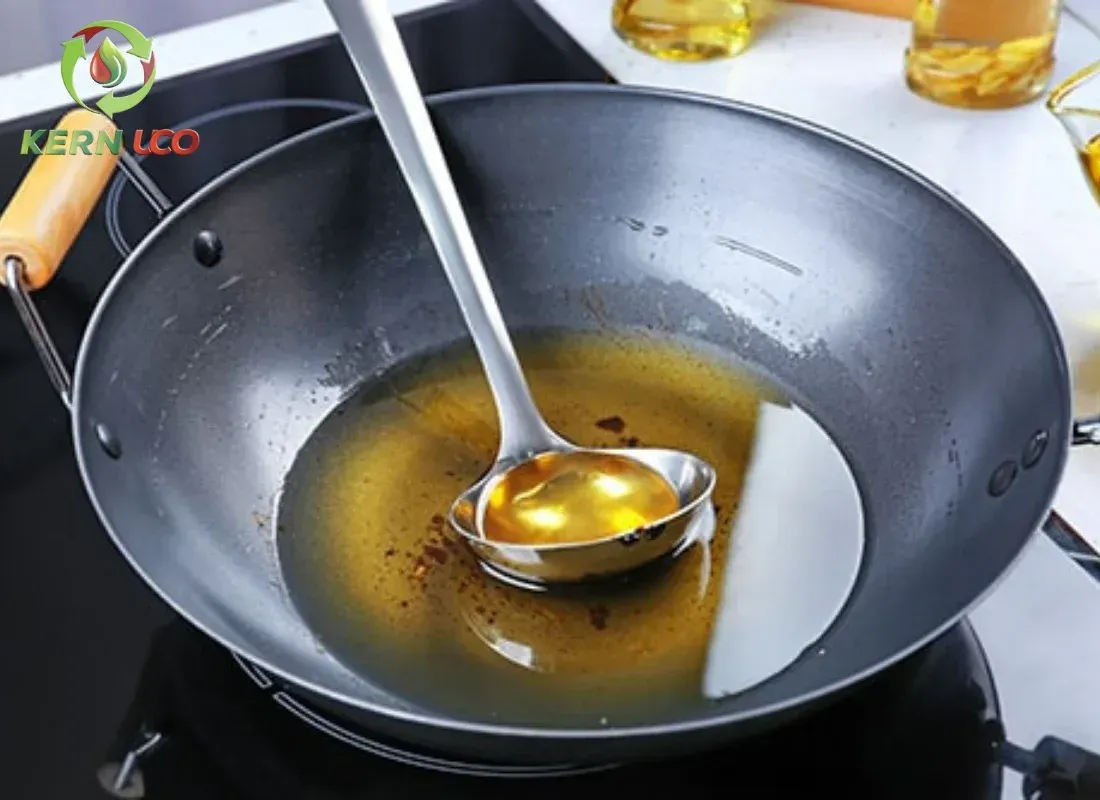
Searching for used oil recycling near me is often the first step restaurants take when prioritizing sustainability. Used cooking oil (UCO) is one of the most recyclable waste byproducts in the food industry.
Why Used Cooking Oil Should Never Be Thrown Away
Improper disposal such as pouring oil down the drain causes:
Pipe blockages
Sewer overflows
Environmental contamination
Wildlife harm
Costly repair bills
Recycling solves all of these problems and adds additional value.
How Used Cooking Oil Recycling Works
Here’s what happens when you partner with a professional recycling provider:
Scheduled Collection
The recycling company provides secure containers and collects UCO on a regular schedule.Safe Storage
The oil is transported to a certified processing facility.Filtration & Processing
Impurities are removed, and the oil is converted into multiple renewable products.Eco-Friendly Transformation
The recycled oil becomes biodiesel, renewable diesel, or industrial products.
Your waste turns into renewable energy powering transportation, machinery, and even sustainable fuel alternatives.
Choosing a Reliable Oil Recycling Partner
Not all recycling companies offer the same level of service. Look for:
Transparent tracking of collected oil
Clean and secure collection containers
Compliance with environmental regulations
Fast response times and scheduled pickups
Fair compensation (if applicable)
Partnering with established sustainability-focused companies like Kernuco ensures every drop of your cooking oil is recycled responsibly.
To learn how other companies support clean oil management, see the helpful industry insights from NWGrease .
➡️ NWGrease helps restaurants manage oil waste responsibly
How Grease Trap Cleaning and Oil Recycling Support Restaurant Sustainability Practices
Sustainability is a combination of daily habits, systems, and services that work together to reduce waste and protect the environment. Grease trap maintenance and oil recycling are the two pillars of eco-friendly kitchen operations.
1. Reducing Waste at the Source
Instead of disposing of oil as trash, recycling transforms it into renewable resources. This reduces landfill usage and encourages circular economy practices.
2. Improving Environmental Compliance
Restaurants must follow rules around FOG disposal. Routine cleaning and recycling help meet all local regulatory requirements.
3. Improving Kitchen Efficiency
Clean grease traps ensure:
Faster drainage
Less downtime
Fewer unpleasant smells
Better performance from dishwashers and sinks
This means smoother kitchen operations every day.
4. Supporting Community Health
FOG-related sewer blockages are a major cause of municipal pollution. Sustainable maintenance keeps local water supplies cleaner and healthier.
5. Lowering Operational Costs
Sustainability isn’t just morally right it’s financially smart.
Restaurants that properly manage waste avoid:
Emergency plumbing bills
Premature equipment failure
Operational shutdowns
Environmental fines
A clean kitchen is a cost-efficient kitchen.
Practical Sustainability Tips Every Restaurant Should Implement
If you're serious about sustainability, here are actionable steps to take right now:
✔ Train Staff on Proper Oil Handling
Make sure employees know:
Never pour oil down drains
How to use oil recycling containers
How to avoid contamination
Staff education is one of the quickest ways to build sustainable habits.
✔ Install Secure Oil Recycling Containers
Outdoor theft-proof and spill-proof containers help store used oil safely.
✔ Maintain a Consistent Grease Trap Cleaning Schedule
Partner with a reliable provider that:
Offers documentation
Provides routine maintenance
Helps with emergency issues
✔ Reduce Oil Waste Through Smart Fryer Management
Filter oil daily
Avoid overheating
Use modern, efficient fryers
Small adjustments greatly extend oil lifespan.
✔ Partner With Certified Recycling Companies
Professionals ensure waste is transformed into renewable energy instead of becoming pollution.
Why Choosing Kernuco Helps Restaurants Build a Sustainable Future
Kernuco stands out as a trusted partner for restaurants looking to strengthen their sustainability efforts. From routine pickup services to eco-friendly grease trap cleaning, Kernuco makes sustainability simple, efficient, and affordable.
Here’s what Kernuco brings to your restaurant:
✔ Full-Service Waste Oil Collection
Reliable, clean, and consistent pickups.
✔ Environmentally Responsible Recycling
Every drop of oil is processed into renewable, eco-safe products.
✔ Transparency & Compliance
Logs, documentation, and regulatory adherence are provided for peace of mind.
✔ Grease Trap Cleaning Services
Essential maintenance that protects your kitchen and reduces the risk of emergencies.
✔ Expert Guidance
Kernuco helps restaurants understand best practices, reduce waste, and streamline sustainability workflows.
If you want to see more helpful guides,
👉 Grease Trap Cleaning Guide on Kernuco
Final Thoughts: Sustainability Starts With the Right Waste Management Partners
Restaurant sustainability is not a single action it’s a long-term commitment. And that commitment becomes much easier with the right systems in place.
By integrating:
Used oil recycling near me
Grease trap cleaning services
Restaurant sustainability practices
You create safer kitchens, cleaner communities, and a more profitable business.
Whether you run a busy fried-food establishment or a small café, your path toward sustainability begins with smart waste management and Kernuco is here to help every step of the way.