Kitchen Efficiency Hacks: Managing Used Cooking Oil the Right Way
Introduction:
A commercial kitchen is a high-stakes environment where every second, every step, and every ounce of ingredient counts toward your final profit margin. Executive chefs and restaurant operators meticulously optimize food costs, streamline labor schedules, and engineer menus for maximum yield. Yet, one of the most significant operational bottlenecks and hidden financial drains often sits completely overlooked at the fry station:used cooking oil management.
When kitchen staff treat fryer grease as a minor afterthought, the entire back-of-house (BOH) flow suffers. Slips and falls happen during clumsy manual transfers. Costly plumbing backups halt service mid-rush. Valuable labor hours are wasted on messy, inefficient cleanup routines.
Mastering used cooking oil recycling and structural kitchen disposal isn't just about environmental responsibility; it is an elite kitchen efficiency hack. By re-engineering how your establishment handles grease, you can reclaim lost labor hours, create a safer workspace, satisfy local environmental inspectors, and transform an ugly expense line item into an active revenue source.
Here is the definitive guide to optimizing your kitchen’s liquid gold lifecycle, driving back-of-house efficiency, and maximizing profitability.
The Hidden Operational Bottlenecks of Poor Oil Disposal
To truly understand how deep this issue cuts, look beyond the price of fresh cooking oil. The true operational drag reveals itself when analyzing how your team deals with waste oil. If your restaurant relies on outdated, manual disposal habits, you are quietly absorbing several critical vulnerabilities.
1. The "Bucket Brigade" Labor Drain
Consider the standard routine in a traditional kitchen: two line cooks turn off the fryers, wait hours for the oil to cool slightly, and then manually drain the hot sludge into heavy, open five-gallon plastic buckets. They then carry these heavy, sloshing hazards through a crowded kitchen, out the back door, and lift them over their heads to dump them into a filthy alley bin.
This process takes roughly 20 to 30 minutes per fryer bank. If your staff performs this routine three times a week across four vats, you are burning dozens of hours of paid labor every month on a task that yields zero culinary value.
2. Workplace Injuries and Workers’ Comp Risks
According to national labor statistics, slips, trips, and severe burns rank among the most common worker compensation claims in the food service sector. Carrying liquid at 300°F across a greasy tile floor is arguably the most hazardous task a worker can perform. A single major burn injury can spike your insurance premiums, compromise team morale, and leave you short-handed during peak season.
3. Chronic Plumbing and Infrastructure Failure
When kitchen staff try to take short cuts, small amounts of grease end up in the dishwash sinks or floor drains. Over time, fats, oils, and grease (FOG) solidify deep inside your drain lines. The result? Slow-draining sinks, foul odors rising into the dining area, and eventual complete blockages that force you to shut down operations during a busy Friday night rush.
4. Vector Attraction and Curb Appeal Degradation
Traditional outdoor grease barrels are prone to spilling, creating a slick layer of oil around your dumpster pad. This serves as an open invitation for rodents, cockroaches, and flies. Furthermore, foul smells from rancid grease drift right toward your front doors, instantly ruining a guest's first impression before they ever taste your food.
The Lifecycle Framework of High-Efficiency Cooking Oil
Top-performing restaurant groups treat cooking oil as a continuous asset loop rather than a linear throwaway product. To optimize this lifecycle in your own kitchen, you must break the process down into four manageable quadrants.
Quadrant 1: Strategic Sourcing and Storage
Efficiency begins long before your fryers are turned on. Sourcing oil with high oxidative stability and high smoke points (such as high-oleic canola, sunflower, or premium peanut oils) drastically improves durability. Store your bulk inventory in an accessible, temperature-controlled environment to prevent premature degradation before the oil even hits the fryer vat.
Quadrant 2: Advanced Fryer Filtration Protocols
You can easily double or triple the lifespan of your oil by enforcing strict micro-filtration habits.
Active Skimming: Instruct line cooks to skim floating food debris out of the vats every hour using a fine-mesh skimmer. Food particles left behind continuously scorch, accelerating the breakdown of chemical bonds.
Mechanical Filtering: Run your oil through a dedicated mechanical filtration machine or integrated paper filtration system at least once a day. This removes microscopic sediment that degrades oil color and flavor profiles.
Chemical Treatment: Utilize oil-stabilizing powders (such as magnesium silicate) during filtration to capture free fatty acids and polar compounds, keeping your oil crisp and clear for days longer.
Quadrant 3: Closed-Loop Containment and Storage
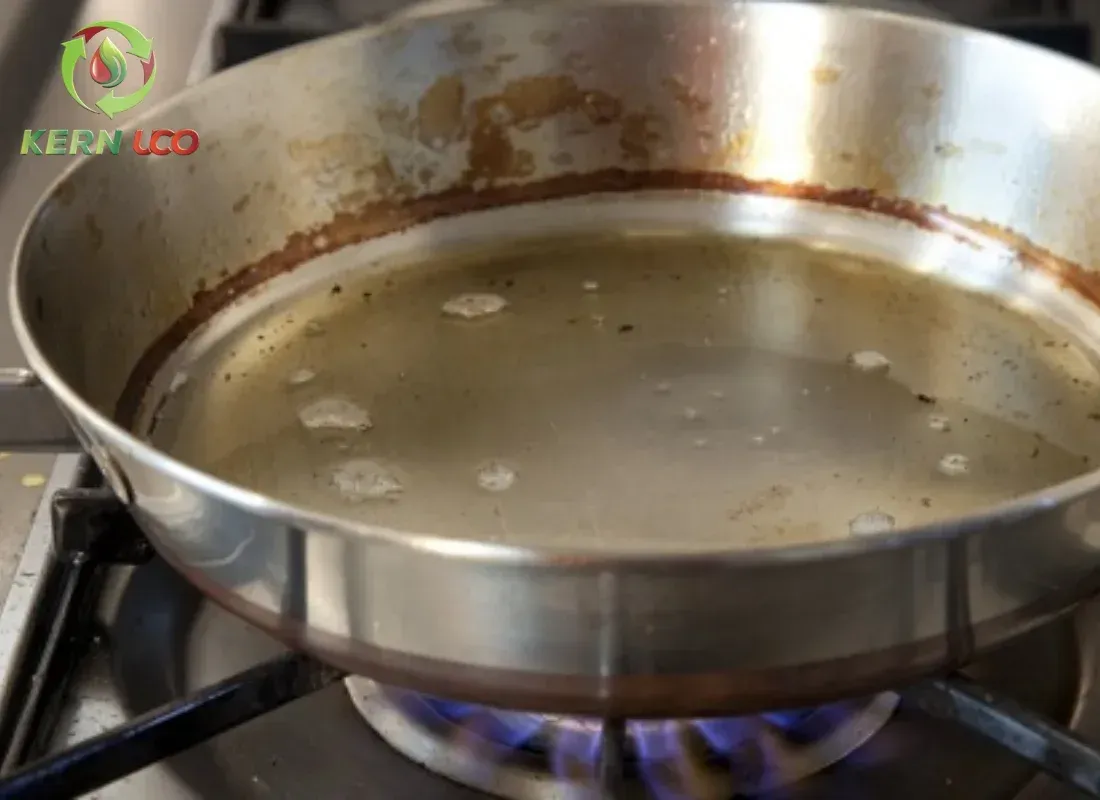
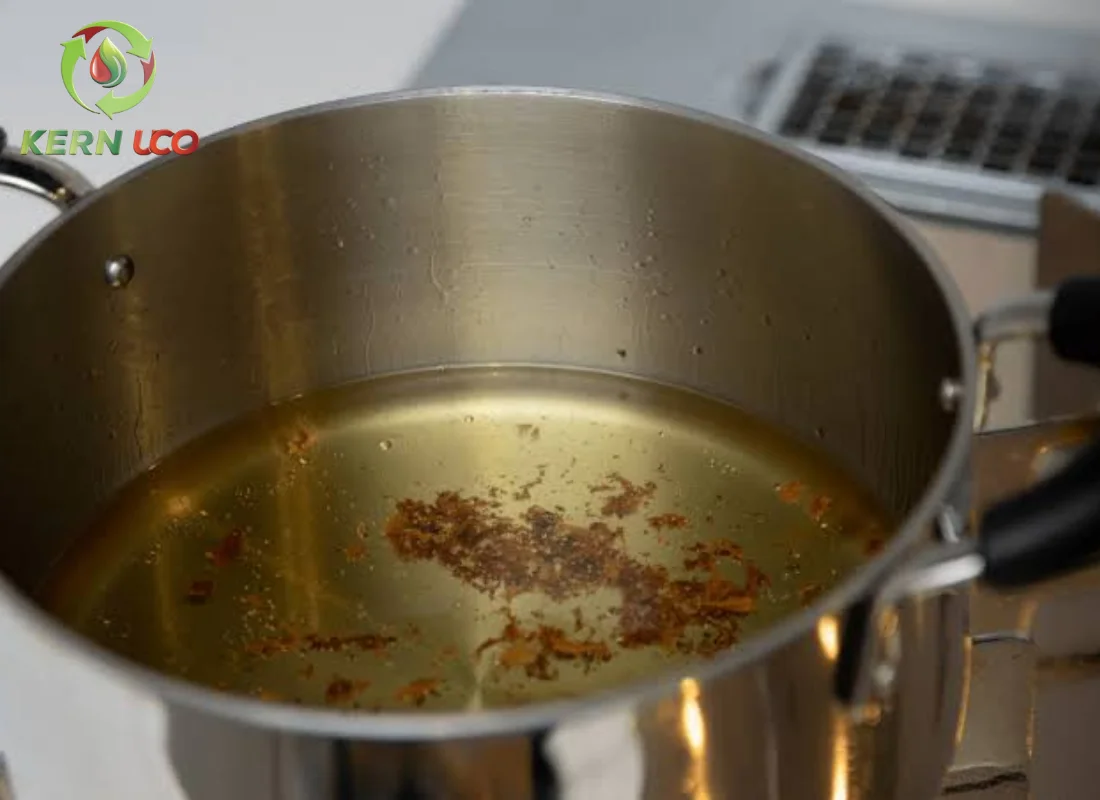
Once the oil reaches its terminal point signaled by a dark hue, bitter taste, or excessive smoking at standard temperatures it must be transferred to a holding vessel. Modern efficiency dictates using closed-loop systems where oil is vacuumed out of the fryer completely enclosed, bypassing the need for manual buckets entirely.
Quadrant 4: Maximizing Recycling Rebates
Your waste material has verifiable commodities market value. The final stage of the lifecycle involves partnering with a certified collector who converts your yellow grease into renewable biofuels, ensuring your waste stream contributes positively to your restaurant's bottom line.
Pro-Level Kitchen Efficiency Hacks for Oil Disposal
If you want to cut down on BOH friction and eliminate grease management headaches entirely, implement these operational hacks immediately:
Hack #1: Transition to Automated Direct-Connect Piping
If your budget allows, the single most impactful upgrade you can make is an automated oil management system. These setups connect your fryer vats directly to an indoor bulk storage tank via integrated plumbing lines.
When the oil is spent, your cook simply attaches a hose or opens a valve, and a mechanical pump transfers the liquid directly into a secure indoor holding tank. No buckets, no heavy lifting, and absolutely zero spill risk. This reduces a hazardous 30-minute chore down to a safe, clean, 3-minute task.
Hack #2: Implement the "Shuttle Solution" for Manual Kitchens
If direct-connect plumbing is unfeasible due to your layout, completely ban plastic buckets and replace them with a heavy-duty, aluminum shortening shuttle. These are sealed, low-profile tanks on wheels equipped with a manual hand pump or crank.
Staff can roll the shuttle directly beneath the fryer drain valve, fill it up, seal the lid, and wheel it safely to your collection container. Even if they trip, the oil remains securely contained inside the sealed shuttle.
Hack #3: Eliminate Moisture and Salt Before Frying
Water and salt are the twin arch-enemies of cooking oil chemistry. When wet, frozen food items are dropped straight into hot oil, the water causes a micro-explosive reaction called hydrolysis, which destroys oil molecules rapidly.
Action Item: Designate a station for cooks to thoroughly air-dry or pat-dry proteins before frying. Additionally, mandate that all salting and seasoning happen in a separate stainless-steel bowl after the food has been pulled from the fryer vat. Never shake salt directly over an open fryer.
Hack #4: Use Color and Chemistry Matching
Stop guessing when to change your oil. Changing it too early throws away profits; changing it too late ruins food quality and drives away customers.
Provide your kitchen managers with visual oil-comparison color charts or digital 3M shortening monitor strips. These strips measure the exact concentration of Free Fatty Acids (FFA) in the oil. This gives your team an objective, data-driven benchmark for exactly when to drop the vats.
Integrating Oil Disposal into Broad Restaurant Waste Management
To achieve true operational harmony, your used cooking oil management protocols must blend seamlessly into your broader property waste strategies. Kitchen efficiency drops significantly when managers have to navigate disconnected systems for food scraps, cardboard recycling, trash compactors, and grease containment.
A cohesive strategy addresses both ends of the liquid waste spectrum: the high-volume spent fryer oil and the low-volume runoff from pots and plates. For a holistic view of optimizing your kitchen's regulatory compliance, labor workflows, and environmental footprint across all waste categories, check out this ultimate guide to restaurant waste management.
When you streamline all disposal channels simultaneously, you unlock significant benefits:
Reduced Vendor Chaos: Coordinating with fewer, more comprehensive service providers minimizes the number of heavy trucks clogging your loading dock.
Cross-Trained Staff: Employees understand the distinct pathways for solids, organics, and liquids, eliminating costly errors like tossing trash into the grease bin or scraping heavy food solids into the plumbing drains.
Simplified Auditing: Tracking waste metrics under a unified strategy makes it incredibly straightforward to identify waste patterns, assess true operational costs, and report sustainability milestones to stakeholders.
Navigating the Logistics of Used Cooking Oil Recycling
The final phase of smart oil management is selecting and working with a certified collection vendor to execute consistent used cooking oil recycling. This step turns your kitchen’s waste into clean, green renewable energy.
The Conversion Engine: From Fryer to Fuel
Many operators do not realize what happens to their grease once it leaves the restaurant property. The collected oil is transported to a specialized processing facility where it undergoes an advanced purification process. It is heated, filtered to remove microscopic food solids, and separated from residual water.
From there, the purified oil undergoes a chemical reaction known as transesterification. This process swaps out the glycerin molecules with alcohol, converting the raw kitchen grease into premium, low-carbon biodiesel and renewable diesel.
This biofuel can drop straight into standard diesel engines and commercial transit fleets without modification, cutting net greenhouse gas emissions by up to 85% compared to conventional petroleum.
Critical Legal and Financial Safeguards
When choosing a recycling vendor to handle your restaurant oil disposal, look for an enterprise partner that provides ironclad guarantees across these four pillars:
To keep your kitchen running smoothly and fully protected against compliance issues, consider partnering with established, fully certified regional specialists. For instance, the experienced team at Northwest Grease Service provides complete end-to-end collection infrastructure and grease trap maintenance, helping you prevent plumbing emergencies while strictly adhering to state and local environmental codes.
Preventing Grease Trap Catastrophes
You cannot run an efficient kitchen without addressing the invisible component of oil management: your grease trap or interceptor. While your spent fryer oil goes straight into bulk collection tanks, smaller amounts of residual grease, animal fats, and oils wash off plates, sheet pans, and hood filters during the cleanup process.
The grease trap’s sole job is to catch this stray FOG before it can escape into the municipal sewer main. However, these units have a finite capacity.
The 25% Rule Explained
Every commercial kitchen manager must memorize the 25% Rule. When the volume of accumulated grease and settled food solids fills more than 25% of your total grease trap capacity, the device loses its ability to slow down wastewater.
Once you cross this threshold, grease escapes straight into the municipal sewer line, or worse, backs up through your floor drains right into your prep line.
High-Efficiency Maintenance Habits
To prevent these costly disasters, automate your grease trap maintenance:
Enforce Dry Scraping: Train dishwashers to thoroughly scrape all food waste and grease residue off plates and cookware into the trash before washing them in the sink.
Say No to Hot-Water Flushing: Instruct staff never to deliberately flush boiling water down the drain to clear grease. This merely melts the grease temporarily, pushing it further down your plumbing line where it cools, solidifies, and creates massive, deep-pipe fatbergs.
Automate Professional Pumping: Set up a strict quarterly or monthly recurring pumping schedule with your service provider. Do not wait for a foul odor to remind you that your trap is overflowing.
Action Plan: Building an Elite Oil Management System
Ready to implement these changes and upgrade your back-of-house operations? Use this practical step-by-step checklist to revolutionize your kitchen's oil protocols:
Step 1: Conduct a BOH Process Audit
Spend one week tracking your kitchen's oil habits. Exactly how many hours are spent filtering and changing oil? How many oil spills occur? Are your cooks using dangerous manual methods? Pinpoint the exact areas where your current process loses time or risks safety.
Step 2: Source High-Efficiency Hardware
Ditch the plastic buckets immediately. Invest in sealed, wheeled shortening shuttles, or talk to your recycling vendor about installing a bulk indoor storage tank equipped with direct-connect plumbing links.
Step 3: Standardize the Filtration Schedule
Create a non-negotiable checklist for fryer maintenance. Mandate daily mechanical filtration and continuous skimming. Hang high-visibility, bilingual instructional posters directly at the fry station to keep these rules front of mind for your team.
Step 4: Secure an Expert Sustainability Partner
Contract with a certified, licensed oil recycling provider. Ensure they supply clear digital collection tracking, transparent rebate pricing, and secure, sensor-monitored holding tanks.
Step 5: Train, Monitor, and Refine
Gather your back-of-house staff for a quick, hands-on demonstration of the new tools and protocols. Highlight how these changes protect them from painful burns and tedious cleanup work. Monitor your oil utilization metrics monthly to watch your labor costs drop and your recycling revenue grow.
Conclusion: Drive Efficiency From the Ground Up
In an industry with razor-thin margins, operational excellence is built on small, compound victories. Forcing your team to fight with messy, dangerous, and outdated grease disposal methods is an unnecessary drain on your kitchen's time, morale, and financial health.
By treating oil as a valuable resource and adopting modern used cooking oil management practices, you insulate your business against plumbing emergencies, slash paid labor hours, and cultivate a safer, cleaner workspace for your crew.
Stop treating your fryer oil as a waste headache. Turn it into a model of back-of-house efficiency, protect your bottom