Why Restaurants Need Professional Fryer Oil Collection Services in 2026
Table of Contents
Introduction: The Hidden Value in Used Fryer Oil
Why Fryer Oil Management Has Become Critical in 2026
The Risks of Ignoring Professional Oil Collection
Environmental Impact of Used Cooking Oil Recycling
How Grease Trap Maintenance Connects to Oil Management
Restaurant Waste Management in the Modern Era
Cost Savings and Hidden Revenue Opportunities
How Professional Fryer Oil Collection Services Work
Key Features to Look for in a Collection Partner
Technology’s Role in Oil Recycling in 2026
Real-World Example: What Smart Restaurants Are Doing Differently
Final Takeaway
Introduction: The Hidden Value in Used Fryer Oil
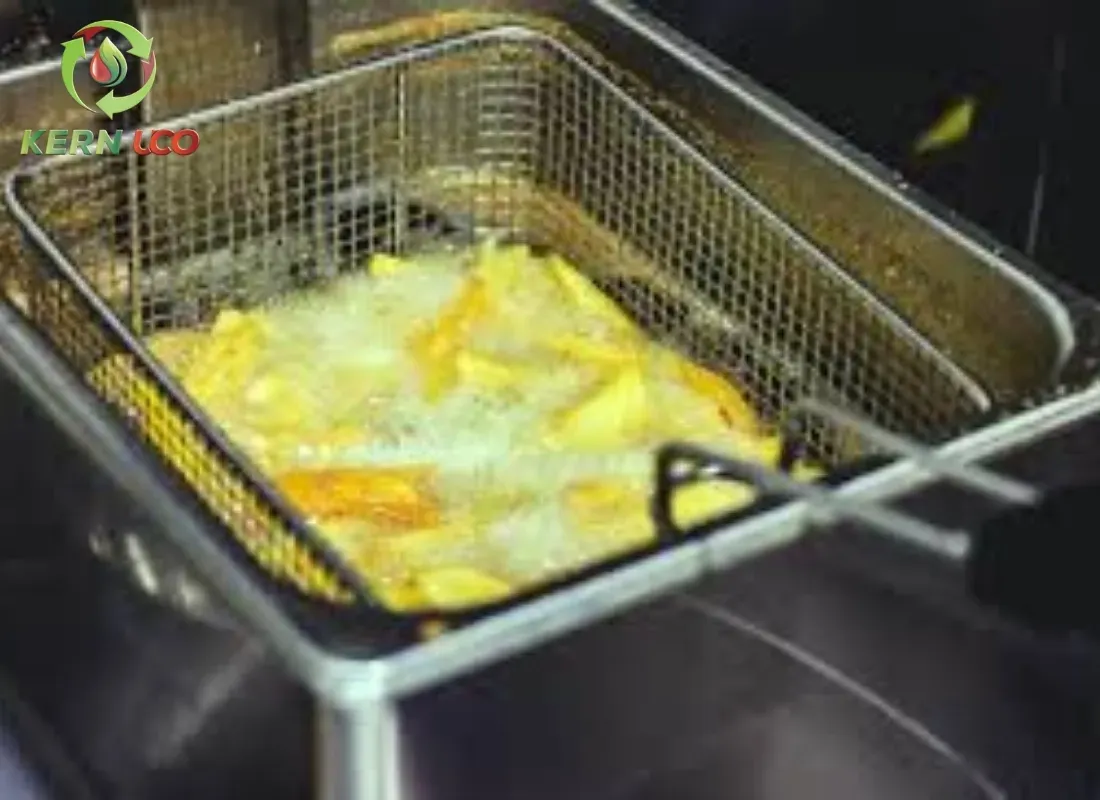
In most restaurants, used fryer oil is treated like waste something to be discarded quickly after it loses cooking quality. But in 2026, that mindset is outdated and costly. What was once considered waste is now a valuable resource that can be converted into biofuel, renewable energy, and industrial raw materials through used cooking oil recycling systems.
Restaurants today operate in an environment where sustainability, compliance, and cost efficiency are no longer optional they are essential. This is why professional fryer oil collection services have become a core part of modern restaurant waste management systems.
Instead of handling oil disposal in-house or relying on unsafe methods, restaurants are shifting toward structured collection services that ensure safety, compliance, and even profitability.
Why Fryer Oil Management Has Become Critical in 2026
The restaurant industry in 2026 faces stricter environmental regulations, higher operational costs, and increased customer awareness about sustainability. Fryer oil management is no longer just about cleanliness it directly affects:
Environmental compliance
Drainage system health
Operational efficiency
Brand reputation
Long-term cost control
Improper disposal of fryer oil can lead to clogged pipes, expensive plumbing repairs, and violations of environmental laws. On the other hand, professional oil collection ensures that waste is handled safely and reused responsibly.
Modern restaurants are now treating fryer oil as a recoverable asset rather than waste, especially with the rise of circular economy models.
The Risks of Ignoring Professional Oil Collection
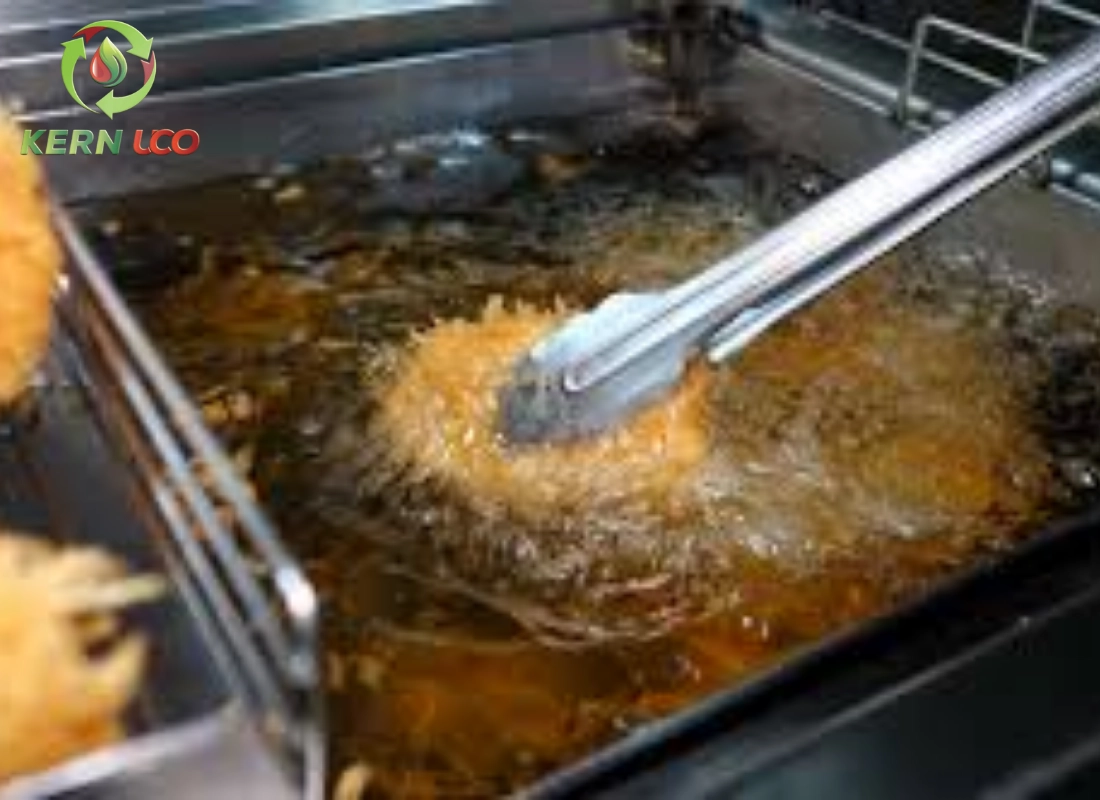
Many restaurants still rely on outdated disposal practices, such as pouring oil into drains or storing it improperly. These habits can lead to serious consequences.
1. Drain Blockages and Plumbing Damage
Oil solidifies when cooled, causing severe blockages in drainage systems. This leads to costly repairs and downtime.
2. Regulatory Fines
Authorities are increasingly strict about environmental compliance. Improper disposal can lead to heavy fines or even closure in severe cases.
3. Health and Hygiene Issues
Poor handling of used oil attracts pests and creates hygiene hazards, affecting both staff and customers.
4. Increased Maintenance Costs
Without proper systems, restaurants spend more on grease trap maintenance and emergency plumbing services.
5. Loss of Recyclable Value
Used fryer oil can be converted into biodiesel and other valuable products. Poor handling means losing potential revenue.
Environmental Impact of Used Cooking Oil Recycling
One of the biggest advantages of professional fryer oil collection is its positive environmental impact.
Through used cooking oil recycling, waste oil is converted into:
Biodiesel fuel
Renewable diesel
Industrial lubricants
Soap and cosmetic ingredients
This reduces dependency on fossil fuels and lowers greenhouse gas emissions.
Partnering with an external recycling network such as Start Green Commodities ensures that oil is processed using environmentally responsible methods, contributing to global sustainability goals.
In 2026, customers are more likely to support restaurants that actively participate in eco-friendly initiatives. Sustainability is now a marketing advantage.
How Grease Trap Maintenance Connects to Oil Management
Many restaurant owners don’t realize that fryer oil management and grease trap maintenance are directly connected.
Grease traps are designed to capture fats, oils, and grease (FOG) before they enter the wastewater system. However, if fryer oil is not properly collected:
Grease traps fill up faster
Odors increase
Blockages occur more frequently
Maintenance costs rise significantly
Professional fryer oil collection reduces the burden on grease traps by ensuring that oil never enters the drainage system in the first place.
This leads to smoother operations and fewer emergency maintenance calls.
Restaurant Waste Management in the Modern Era
Modern restaurant waste management is no longer limited to garbage disposal. It now includes a structured system for handling:
Food waste
Packaging waste
Organic waste
Used fryer oil
Grease trap waste
Among all these, used fryer oil is one of the most valuable components when handled correctly.
Professional collection services integrate oil recycling into a broader waste management system, allowing restaurants to operate more efficiently and sustainably.
For example, structured programs like the waste cooking oil collection service system help restaurants streamline pickups and ensure compliance. You can explore more here:
Cost Savings and Hidden Revenue Opportunities
One of the most overlooked benefits of fryer oil collection is its financial impact.
1. Reduced Maintenance Costs
Proper oil disposal reduces plumbing issues, minimizing repair expenses.
2. Lower Grease Trap Expenses
With less oil entering drainage systems, grease traps require less frequent cleaning.
3. Potential Revenue from Oil Recycling
Some collection services offer compensation for used oil depending on market rates.
4. Operational Efficiency
Staff spend less time managing waste and more time focusing on customers.
5. Long-Term Equipment Protection
Preventing oil buildup extends the life of kitchen infrastructure.
In 2026, many restaurants are discovering that waste oil is not just a liability it can become a small but consistent revenue stream.
How Professional Fryer Oil Collection Services Work
Professional collection services follow a structured and safe process:
Step 1: On-Site Storage
Used oil is stored in sealed, labeled containers to prevent contamination.
Step 2: Scheduled Pickup
Service providers collect oil on a scheduled basis, ensuring no overflow or storage issues.
Step 3: Safe Transportation
Oil is transported using certified containers to recycling facilities.
Step 4: Processing and Recycling
At processing plants, oil is filtered and converted into usable products such as biodiesel.
Step 5: Reporting and Compliance
Restaurants often receive documentation for compliance and sustainability reporting.
This structured process ensures safety, efficiency, and transparency.
Key Features to Look for in a Collection Partner
Choosing the right service provider is essential for long-term success.
Look for:
Licensed and certified recyclers
Transparent reporting systems
Flexible pickup schedules
Strong environmental compliance record
Integration with restaurant waste management systems
Proven experience in used cooking oil recycling
A reliable partner not only collects waste but also helps optimize operations.
Technology’s Role in Oil Recycling in 2026
Technology is transforming fryer oil collection services.
Modern systems now include:
IoT Monitoring
Smart sensors track oil levels and alert providers when collection is needed.
Digital Compliance Tracking
Restaurants can access digital reports for audits and inspections.
Route Optimization
AI-powered logistics reduce fuel consumption and improve pickup efficiency.
Blockchain Traceability
Some systems track oil from restaurant to final recycling stage, ensuring transparency.
These innovations make fryer oil collection more reliable and environmentally efficient than ever before.
Real-World Example: What Smart Restaurants Are Doing Differently
Forward-thinking restaurants in 2026 are no longer treating fryer oil as waste. Instead, they:
Partner with certified recycling providers
Integrate oil collection into waste management systems
Monitor grease trap performance regularly
Track sustainability metrics
Educate staff on proper oil handling
Some even collaborate with sustainability networks like Start Green Commodities to strengthen their environmental credentials.
The result is lower operational costs, improved compliance, and stronger brand reputation.
Final Takeaway
In 2026, fryer oil is no longer just a byproduct of cooking it is a valuable resource that impacts profitability, compliance, and sustainability.
Restaurants that invest in professional fryer oil collection services benefit in multiple ways:
Cleaner and safer kitchens
Lower maintenance costs
Better grease trap maintenance performance
Stronger restaurant waste management systems
Contribution to used cooking oil recycling and environmental protection
Ignoring proper oil management is no longer a minor operational issue it is a financial and regulatory risk.
Modern restaurants that succeed are those that see waste not as a burden, but as an opportunity.