Eco-Friendly Restaurant Waste Management Tips Every Kitchen Should Follow
Table of Contents
Introduction: Why Eco-Friendly Kitchen Practices Matter in 2026
Understanding Modern Restaurant Waste Challenges
Smart Waste Segregation in Professional Kitchens
The Role of Used Cooking Oil Recycling in Sustainability
Best Practices for Restaurant Oil Disposal
Grease Trap Maintenance and Its Environmental Importance
Reducing Food Waste at the Source
Packaging Waste Reduction Strategies
Composting and Organic Waste Management
How Technology is Transforming Restaurant Waste Management
Partnering with Professional Waste Management Providers
Real-World Sustainable Kitchen Practices
Benefits of Going Eco-Friendly in Restaurant Operations
Final Takeaway
Introduction: Why Eco-Friendly Kitchen Practices Matter in 2026
The restaurant industry in 2026 is undergoing a major transformation. Customers are no longer only interested in taste and service they also care deeply about sustainability, environmental responsibility, and ethical operations. This shift has made restaurant waste management a top priority for modern kitchens.
From food scraps to oil disposal, every part of a restaurant’s back-end operation has an environmental impact. Kitchens that fail to adopt eco-friendly practices not only contribute to pollution but also face rising operational costs and regulatory pressure.
Among the most important areas of focus are used cooking oil recycling, proper restaurant oil disposal, and consistent grease trap maintenance. These three areas alone can significantly improve sustainability, reduce costs, and enhance operational efficiency.
This guide provides practical, real-world strategies that every restaurant kitchen can implement to become more eco-friendly in 2026 and beyond.
Understanding Modern Restaurant Waste Challenges
Restaurants generate multiple types of waste daily, including:
Food scraps and organic waste
Packaging and plastic waste
Wastewater and grease
Used cooking oil
General kitchen trash
The challenge is not just the volume of waste but how it is handled. Poor waste management leads to:
Blocked drainage systems
High maintenance costs
Environmental pollution
Legal compliance issues
Negative brand perception
Modern kitchens must shift from reactive disposal methods to proactive sustainability systems.
Smart Waste Segregation in Professional Kitchens
One of the most effective eco-friendly practices is proper waste segregation.
Used oil can be (re)used, for example, by being turned into:
Organic food waste
Recyclable materials
Non-recyclable waste
Oil and grease waste
This simple step dramatically improves efficiency in restaurant waste management systems.
Segregation also ensures that valuable resources such as oil and organic matter can be recycled instead of being dumped into landfills.
Staff training plays a crucial role here. Every kitchen worker should understand where each type of waste belongs and why it matters.
The Role of Used Cooking Oil Recycling in Sustainability
One of the biggest environmental opportunities in the restaurant industry lies in used cooking oil recycling.
Instead of disposing of used oil as waste, it can be converted into:
Biodiesel fuel
Renewable energy
Industrial lubricants
Soap and cleaning products
This process reduces dependency on fossil fuels and significantly lowers carbon emissions.
Restaurants that participate in oil recycling programs contribute directly to the circular economy. They transform waste into valuable resources instead of environmental hazards.
Proper oil recycling also prevents illegal dumping, which can cause severe soil and water contamination.
Many modern facilities, including networks like Northwest Grease, specialize in converting used cooking oil into renewable energy sources, helping restaurants close the sustainability loop.
Best Practices for Restaurant Oil Disposal
Improper restaurant oil disposal is one of the most common and damaging mistakes in commercial kitchens.
Here are eco-friendly best practices every restaurant should follow:
1. Never Pour Oil Down Drains
Oil solidifies and blocks plumbing systems, leading to expensive repairs.
2. Use Sealed Storage Containers
Store used oil in properly labeled, leak-proof containers.
3. Schedule Regular Collection
Partner with certified collection services for timely pickup.
4. Avoid Mixing Oil with Other Waste
Contaminated oil is harder to recycle and less valuable.
5. Train Staff Properly
Employees should know correct disposal procedures.
By following these steps, restaurants can significantly reduce environmental impact and operational risks.
Grease Trap Maintenance and Its Environmental Importance
A critical but often overlooked part of restaurant waste management is grease trap maintenance.
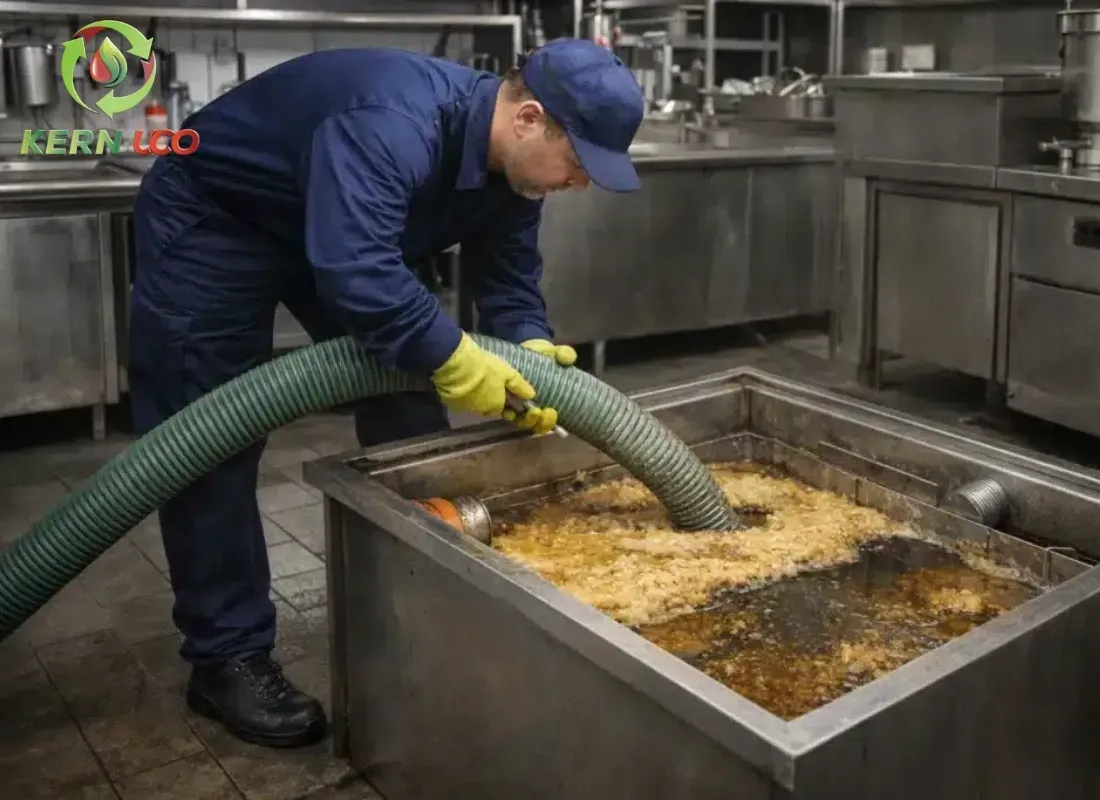
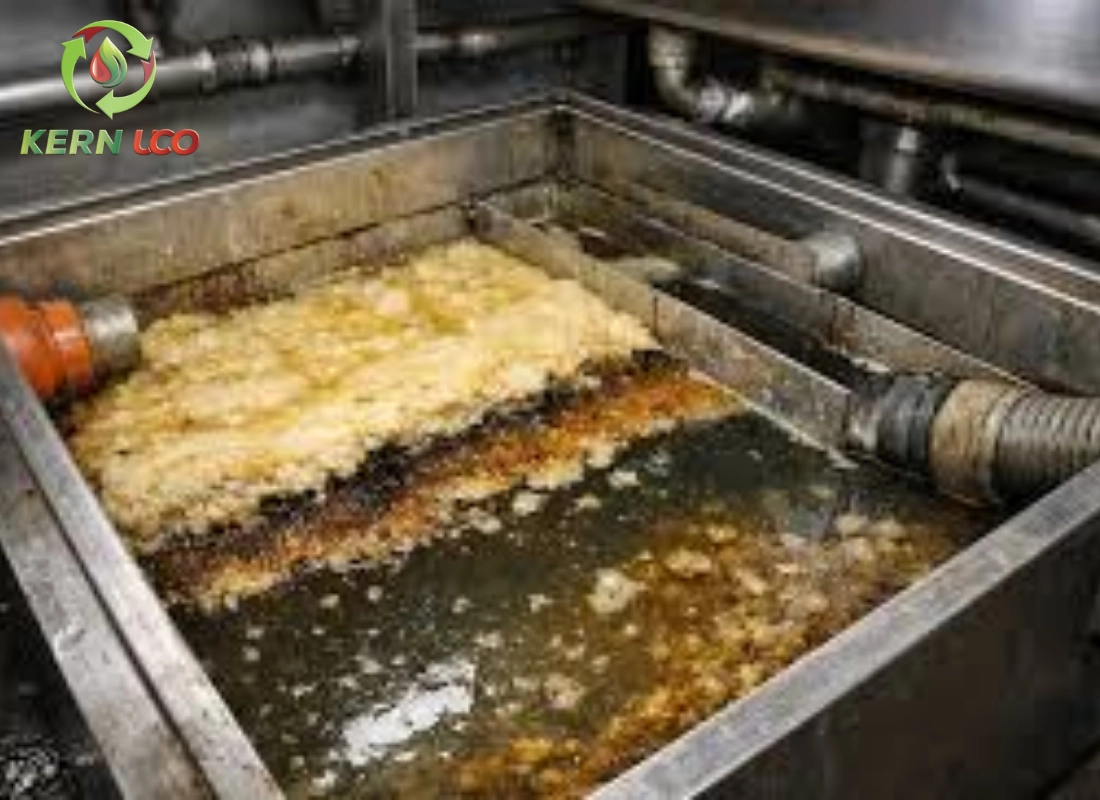
Grease traps are designed to capture fats, oils, and grease (FOG) before they enter wastewater systems. Without proper maintenance, they can:
Overflow and cause blockages
Produce foul odors
Lead to plumbing emergencies
Increase environmental pollution
Regular cleaning ensures smooth kitchen operations and prevents costly disruptions.
When grease traps are neglected, even small amounts of oil can build up and create major infrastructure problems.
Eco-friendly kitchens schedule routine maintenance rather than waiting for issues to arise.
Reducing Food Waste at the Source
Food waste is one of the largest contributors to restaurant inefficiency.
To reduce it, kitchens should:
1. Improve Inventory Management
Track stock carefully to avoid over-ordering.
2. Optimize Portion Sizes
Serve balanced portions to minimize leftovers.
3. Reuse Ingredients Creatively
Use vegetable scraps for stocks and sauces.
4. Train Staff on Waste Awareness
Educated staff waste significantly less food.
5. Track Waste Data
Understanding waste patterns helps reduce them over time.
Reducing food waste not only improves sustainability but also directly increases profitability.
Packaging Waste Reduction Strategies
Modern restaurants rely heavily on packaging for delivery and takeout services. However, this can generate massive waste.
Eco-friendly strategies include:
Switching to biodegradable packaging
Encouraging reusable containers
Reducing single-use plastics
Partnering with sustainable suppliers
Customers today prefer restaurants that actively reduce plastic usage, making this both an environmental and marketing advantage.
Composting and Organic Waste Management
Organic waste such as vegetable peels, coffee grounds, and leftovers can be composted instead of discarded.
Composting benefits include:
Reduced landfill waste
Lower methane emissions
Creation of nutrient-rich soil
Improved sustainability ratings
Restaurants can either compost on-site or partner with external composting facilities.
This approach transforms waste into a resource, aligning perfectly with eco-friendly operations.
How Technology is Transforming Restaurant Waste Management
Technology is playing a major role in improving sustainability in 2026.
Innovations include:
Smart Waste Tracking Systems
Digital tools monitor waste production in real time.
AI-Based Forecasting
Predicts food demand to reduce overproduction.
IoT Sensors in Grease Traps
Alerts staff when cleaning is needed.
Digital Oil Collection Scheduling
Automates restaurant oil disposal and pickup timing.
These tools make waste management more efficient, transparent, and cost-effective.
Partnering with Professional Waste Management Providers
Eco-friendly restaurants often rely on professional partners to handle complex waste streams.
These providers offer:
Scheduled oil collection
Recycling documentation
Grease trap servicing
Waste tracking reports
A reliable partner ensures compliance and reduces operational burden.
You can learn more about structured oil collection systems here:
Professional networks also collaborate with sustainability organizations such as Northwest Grease to ensure responsible processing of waste materials.
Real-World Sustainable Kitchen Practices
Leading restaurants around the world are already implementing eco-friendly waste systems.
Common practices include:
Converting used oil into biodiesel
Installing automated grease traps
Composting all organic waste
Using zero-plastic packaging
Tracking carbon footprint
These restaurants are not only reducing environmental impact but also improving brand loyalty and reducing costs.
Sustainability is becoming a competitive advantage in the restaurant industry.
Benefits of Going Eco-Friendly in Restaurant Operations
Adopting eco-friendly waste management offers multiple benefits:
1. Cost Savings
Reduced maintenance and waste disposal costs.
2. Regulatory Compliance
Avoid fines and legal issues.
3. Brand Reputation
Attract environmentally conscious customers.
4. Operational Efficiency
Cleaner, more organized kitchen systems.
5. Environmental Impact Reduction
Lower carbon footprint and pollution.
6. Revenue Opportunities
Recycled oil and waste can generate additional income streams.
Eco-friendly operations are no longer optional they are essential for long-term success.
Final Takeaway
Eco-friendly restaurant waste management is no longer just a trend it is a necessity in 2026.
From used cooking oil recycling to proper restaurant oil disposal and consistent grease trap maintenance, every process in a kitchen plays a role in sustainability.
Restaurants that adopt smart waste practices benefit from:
Lower costs
Better efficiency
Stronger compliance
Improved environmental responsibility
Enhanced customer trust
The future of the restaurant industry belongs to businesses that treat waste as a resource, not a problem.