“DIY Tips for Safe Cooking Oil Storage Before Recycling”
Introduction,
Cooking oil is an essential part of every commercial kitchen and household. From restaurants and cafés to home kitchens, oil is used daily for frying, sautéing, and food preparation. However, once cooking oil has been used multiple times, it becomes waste and must be handled responsibly. Improper storage of used oil can lead to spills, foul odors, pest problems, clogged drains, and even safety hazards like slips or fire risks.
This comprehensive guide is created specifically for kernuco.com readers who want practical, safe, and environmentally responsible ways to store used oil before it is picked up by a used cooking oil collection provider. Whether you are a restaurant owner, food truck operator, or a home cook planning to use a professional waste cooking oil collection service, this guide will walk you through everything step by step.
By the end of this blog, you will understand why proper oil storage matters, what containers to use, how to prevent contamination, how storage connects with grease trap cleaning, and how safe storage supports efficient recycling.
Why Safe Storage of Used Cooking Oil Matters
Before diving into DIY storage tips, it is important to understand why proper storage is so critical. Used cooking oil may look harmless, but mishandling it can cause serious operational and environmental problems.
1. Prevents Plumbing and Sewer Issues
One of the biggest mistakes kitchens make is pouring used oil down the drain. Even small amounts can solidify inside pipes, leading to blockages and costly repairs. Safe storage ensures oil stays out of drains and supports smoother grease trap cleaning schedules.
2. Reduces Fire and Slip Hazards
Oil spills on kitchen floors or storage areas can create dangerous slip risks. In addition, oil stored near heat sources increases the chance of fire. Proper containers and placement significantly reduce these risks.
3. Keeps Recycling Efficient
Recyclers rely on clean, uncontaminated oil. Mixing oil with water, food scraps, or chemicals can lower its recycling value. Correct storage helps used cooking oil collection companies recycle oil into biodiesel and other products more efficiently.
4. Supports Environmental Responsibility
When stored correctly and collected by a licensed waste cooking oil collection service, used oil is transformed into renewable fuel instead of polluting landfills or waterways. This small effort makes a big environmental impact.
Understanding Used Cooking Oil Recycling
Before storing oil, it helps to know what happens after collection. Used cooking oil is filtered, cleaned, and processed into products such as biodiesel, animal feed additives, and industrial lubricants. If you want a deeper understanding of how this works, you can read about the full process here: cooking oil recycling process.
Knowing this process explains why oil quality matters so much and why proper storage is not optional it is essential.
DIY Tip #1: Let the Oil Cool Completely Before Storage
Never transfer hot oil into storage containers. Hot oil can melt plastic containers, weaken lids, and cause burns.
Best Practice:
Turn off heat after cooking
Allow oil to cool to room temperature
Strain once cooled, not while hot
Cooling oil first protects both you and your storage containers.
DIY Tip #2: Use the Right Storage Containers
Choosing the correct container is one of the most important steps in safe oil storage.
Recommended Containers:
Heavy-duty plastic containers designed for oil
Metal containers with tight-sealing lids
Containers supplied by your old oil used in cooking collection service.
Containers to Avoid:
Thin plastic bottles
Glass containers (breakage risk)
Open buckets or uncovered drums
Always label containers clearly as “Used Cooking Oil” to prevent accidental misuse.
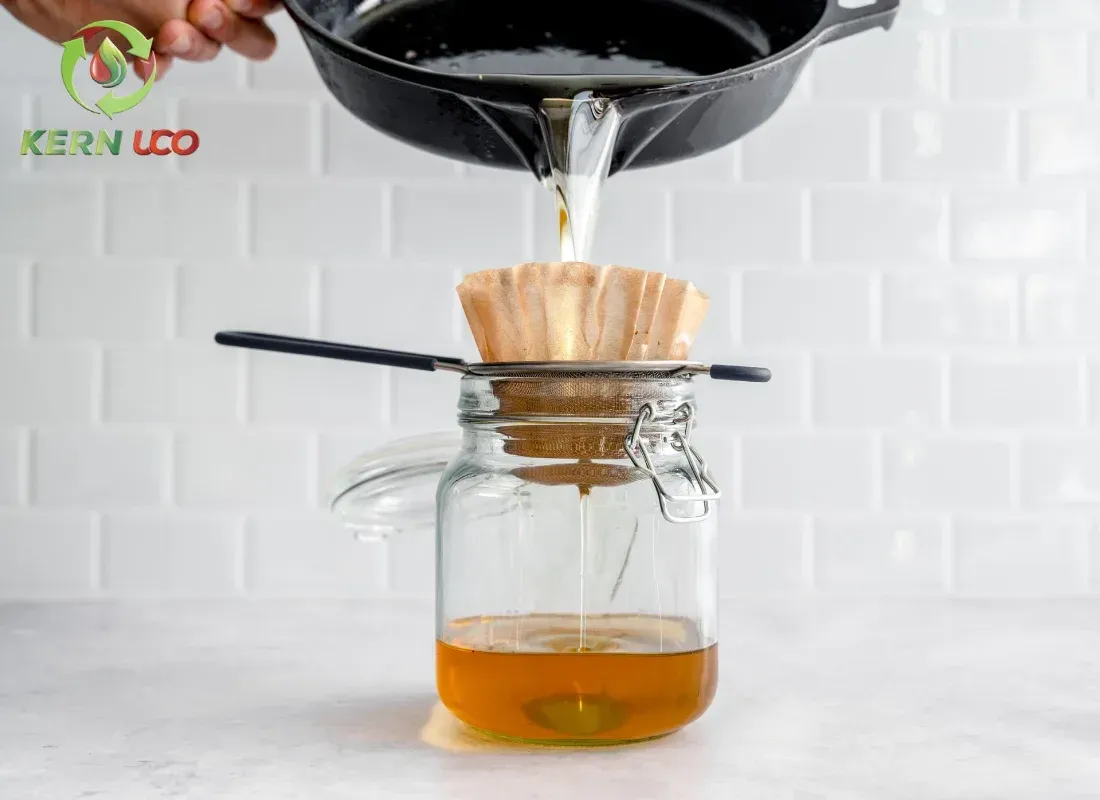
DIY Tip #3: Strain Food Particles Pre storage.
Food scraps accelerate spoilage and create strong odors. They also lower the recycling quality of oil.
How to Strain Oil at Home or in Commercial Kitchens:
Use a fine mesh strainer
Line the strainer with cheesecloth or paper towel
Pour oil slowly to avoid splashing
This simple step makes a big difference for waste cooking oil collection service providers.
DIY Tip #4: Keep Water Away From Stored Oil
Water is one of the biggest contaminants in used cooking oil. Even small amounts can cause mold growth and reduce recycling value.
Tips to Avoid Water Contamination:
Never mix oil with dishwater
Dry containers completely before use
Keep lids tightly sealed
Dry oil is recyclable oil.
DIY Tip #5: Store Oil in a Cool, Shaded Area
Heat and sunlight degrade oil faster and increase odor.
Ideal Storage Locations:
Covered outdoor enclosures
Indoor storage rooms with ventilation
Shaded areas away from cooking equipment
Avoid storing oil near fryers, ovens, or direct sunlight.
DIY Tip #6: Used oil should stay in its own container mixing it with other waste creates big problem.
Keep Oil Separate From:
Degreasers
Soap or detergent
Trash and food waste
This is especially important for businesses that rely on scheduled used cooking oil collection services.
DIY Tip #7: Secure Containers to Prevent Spills
Spills create safety hazards and attract pests.
Spill Prevention Measures:
Use containers with locking lids
Place containers on flat surfaces
Use secondary containment trays if possible
This is a simple but often overlooked safety step.
DIY Tip #8: Maintain a Regular Collection Schedule
Do not wait until containers overflow.
Why Scheduling Matters:
Reduces odor
Prevents leaks
Improves kitchen hygiene
A professional waste cooking oil collection service can help you set a schedule that matches your oil usage.
How Safe Oil Storage Supports Grease Trap Cleaning
Proper oil storage directly impacts grease trap performance. When oil is stored correctly instead of poured down drains, grease traps last longer and require less frequent cleaning.
Benefits Include:
Fewer plumbing emergencies
Lower grease trap cleaning costs
Better compliance with local regulations
Safe storage and grease trap cleaning go hand in hand for any food service operation.
DIY Storage Tips for Home Kitchens
Home cooks may produce less oil, but safe storage is still important.
Home-Friendly Storage Tips:
Reuse cooking oil containers
Store under the sink or in pantry
Take oil to local collection points
Many communities now offer small-scale used cooking oil collection options.
DIY Storage Tips for Restaurants and Commercial Kitchens
Commercial kitchens generate larger volumes of oil and face stricter regulations.
Commercial Best Practices:
Use dedicated outdoor oil tanks
Train staff on handling procedures
Keep storage logs
Partnering with a reliable waste cooking oil collection service ensures compliance and efficiency.
Common Mistakes to Avoid When Storing Used Cooking Oil
Even experienced kitchens make mistakes.
Avoid These Errors:
Overfilling containers
Leaving lids open
Mixing oil types carelessly
Ignoring spills
Correcting these mistakes improves safety and recycling outcomes.
Environmental Benefits of Proper Oil Storage
Every gallon of recycled oil helps reduce fossil fuel use. When stored correctly and collected responsibly, oil becomes part of a circular economy.
Environmental Impact:
Less landfill waste
Cleaner waterways
Reduced carbon emissions
Safe storage is a small action with global benefit.