Sustainable Restaurant Operations Begin With Proper Grease Disposal
Table of Contents
Introduction: Sustainability Starts Behind the Kitchen Doors
Why Grease Disposal Matters More Than Ever
Understanding Used Cooking Oil Recycling
The Hidden Costs of Poor Restaurant Oil Disposal
How Proper Grease Disposal Supports Sustainable Operations
The Link Between Oil Recycling and Restaurant Efficiency
Why Used Cooking Oil Recycling Is Essential for Modern Kitchens
How Professional Collection Services Simplify Compliance
The Role of Staff Training in Sustainable Waste Management
Real-World Benefits for Restaurants
How to Build a Greener Restaurant Operation
Final Takeaway
Introduction: Sustainability Starts Behind the Kitchen Doors
When people think about sustainable restaurants, they often picture compostable packaging, locally sourced ingredients, and energy-efficient equipment. While these visible efforts matter, one of the most impactful sustainability practices happens out of sight how a restaurant handles grease and used fryer oil.
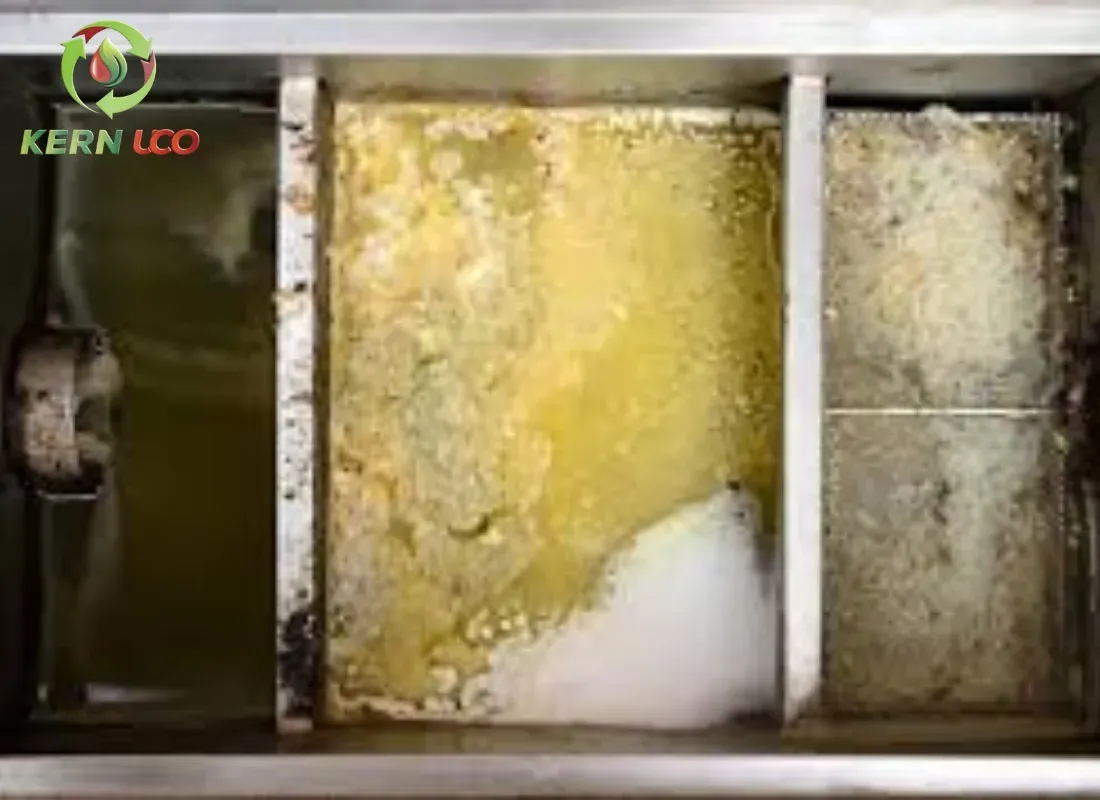
Every commercial kitchen generates fats, oils, and grease (FOG). If these materials are managed poorly, they can clog plumbing systems, increase maintenance costs, create environmental hazards, and lead to compliance issues. But when handled properly, they become valuable recyclable resources.
That is where used cooking oil recycling and responsible restaurant oil disposal make a real difference.
For restaurants focused on long-term success, sustainability begins with practical systems that reduce waste and improve efficiency. Proper grease disposal is one of the simplest and most effective steps any kitchen can take.
Why Grease Disposal Matters More Than Ever
Restaurant owners today face rising operating costs, stricter regulations, and growing customer expectations around environmental responsibility.
Improper grease disposal can cause:
Blocked drains and sewer backups
Frequent plumbing repairs
Foul odors
Pest attraction
Safety hazards
Environmental fines
These problems are expensive and disruptive.
On the other hand, well-structured grease management supports cleaner operations, lower maintenance costs, and stronger sustainability outcomes.
In 2026, responsible grease disposal is not just a maintenance task it is a strategic business decision.
Understanding Used Cooking Oil Recycling
Through used cooking oil recycling, spent fryer oil is collected and processed into valuable products such as:
Biodiesel fuel
Renewable diesel
Industrial lubricants
Soap and cleaning products
This process transforms a routine kitchen byproduct into a renewable resource.
Companies such as Start Green Commodities help support the broader renewable energy ecosystem by connecting recycled oil to sustainable fuel markets.
For restaurants, this means that proper disposal contributes directly to cleaner energy production and environmental stewardship.
The Hidden Costs of Poor Restaurant Oil Disposal
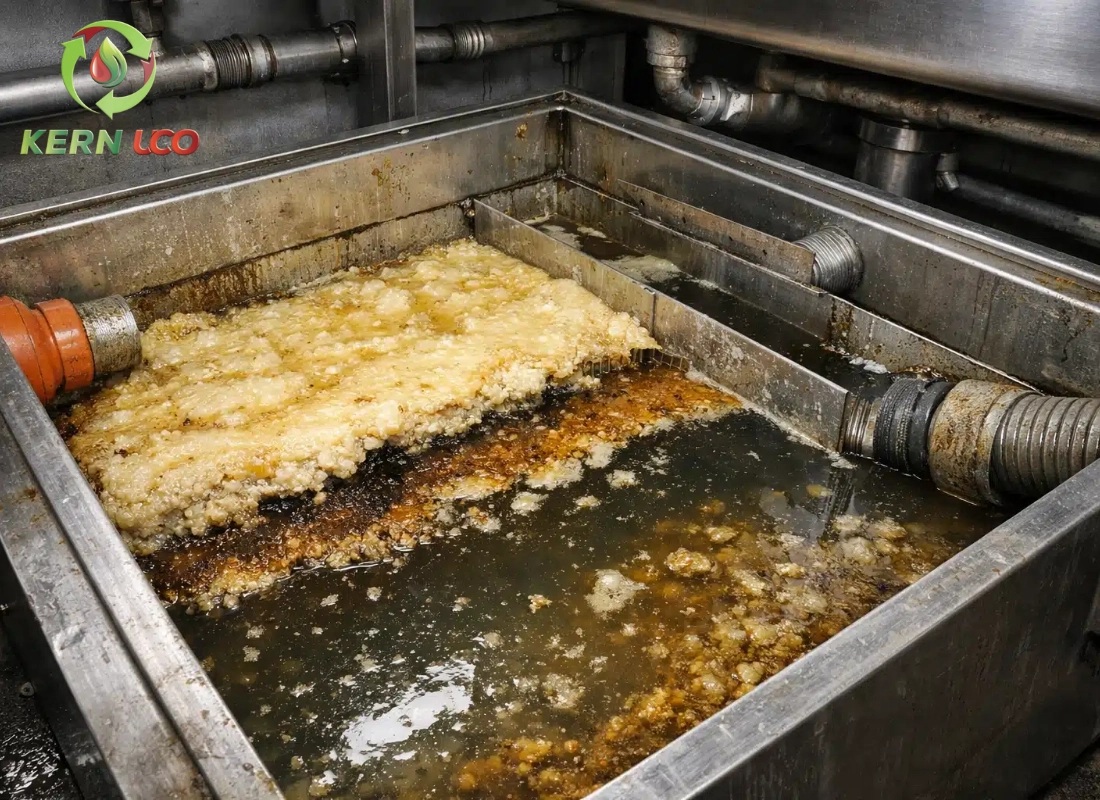
Many kitchens underestimate the true cost of improper restaurant oil disposal.
When oil is poured into drains or handled carelessly, the consequences can include:
Plumbing Emergencies
Oil hardens in pipes and causes severe blockages.
Increased Maintenance
Grease traps fill faster and require more frequent servicing.
Compliance Risks
Improper disposal can trigger fines and corrective actions.
Labor Inefficiencies
Staff spend more time cleaning spills and dealing with avoidable issues.
Lost Recycling Value
Contaminated oil may be unsuitable for recycling.
These hidden expenses can significantly impact profitability.
For a detailed overview of best practices, visit this guide on restaurant oil disposal.
How Proper Grease Disposal Supports Sustainable Operations
Sustainability is about using resources responsibly and reducing waste.
Proper grease disposal helps restaurants:
Prevent pollution
Reduce landfill contributions
Support renewable fuel production
Lower greenhouse gas emissions
Improve resource efficiency
It also creates a cleaner and safer work environment for employees.
When restaurants recycle used oil instead of discarding it improperly, they become part of a circular economy that turns waste into valuable products.
The Link Between Oil Recycling and Restaurant Efficiency
Sustainable practices often improve operational performance.
By implementing used cooking oil recycling, restaurants can:
Simplify waste handling
Reduce emergency repairs
Minimize downtime
Improve kitchen organization
Cut overall operating costs
These efficiencies are especially valuable in an industry with tight margins and constant pressure to control expenses.
Why Used Cooking Oil Recycling Is Essential for Modern Kitchens
The restaurant industry is evolving rapidly, and waste streams are being managed more strategically than ever.
Used cooking oil recycling has become essential because it:
Converts waste into renewable energy
Supports corporate sustainability goals
Reduces infrastructure strain
Strengthens brand reputation
May generate direct financial value
Restaurants that adopt recycling programs position themselves as responsible and forward-thinking businesses.
How Professional Collection Services Simplify Compliance
Managing used oil in-house can be time-consuming and risky.
Professional collection providers offer:
Secure storage containers
Scheduled pickups
Spill prevention
Documentation and reporting
Responsive customer support
These services make restaurant oil disposal easier and more reliable while reducing the burden on staff.
They also help restaurants maintain records that demonstrate responsible waste handling during inspections and audits.
The Role of Staff Training in Sustainable Waste Management
Even the best systems require proper employee participation.
Train staff to:
Allow oil to cool before transfer
Use designated containers
Keep storage areas clean
Report leaks immediately
Never pour oil into drains
Simple, consistent procedures help prevent mistakes and maximize recycling effectiveness.
Real-World Benefits for Restaurants
Restaurants that prioritize proper grease disposal often experience measurable improvements.
Common benefits include:
Lower plumbing and maintenance costs
Better kitchen safety
Improved compliance
Stronger sustainability credentials
Enhanced customer trust
Many owners are surprised by how quickly these benefits add up once a structured recycling program is in place.
How to Build a Greener Restaurant Operation
If you want to create a more sustainable kitchen, start with these practical steps:
Audit your current oil handling procedures.
Train staff on proper disposal techniques.
Use secure storage containers.
Schedule professional oil pickups.
Monitor maintenance costs and service frequency.
Share sustainability efforts with customers.
These small operational changes can deliver significant environmental and financial returns.
Final Takeaway
Sustainable restaurant operations do not begin with expensive renovations or complex technology. They start with smart, practical systems that manage everyday waste responsibly.
Through used cooking oil recycling and effective restaurant oil disposal, restaurants can reduce operating costs, protect plumbing systems, support renewable energy, and strengthen their commitment to sustainability.
What seems like a routine back-of-house task can become a powerful driver of efficiency and environmental impact.
For restaurant owners looking to build cleaner, safer, and more profitable kitchens, proper grease disposal is one of the best places to start.