“Selecting a Certified Recycling Partner: Questions to Ask Before Signing”
INTRODUCTION,
In today’s food service industry, sustainability is no longer optional it’s a responsibility. From small cafés to multi-location restaurant chains, businesses that rely on frying oils must think carefully about how they manage their waste. The selection of an appropriate recycling partner of used cooking oil is one of the most important and in many cases, the most neglected decision.
With environmental regulations tightening, customer awareness increasing, and operational risks rising, selecting a certified and reliable Restaurant Cooking Oil Recycling partner can protect your business, reduce liabilities, and even create long-term value.
This in-depth guide is designed to help restaurant owners, facility managers, and decision-makers understand what truly matters when selecting a recycling partner and the right questions to ask before signing a contract.
Why Choosing the Right Recycling Partner Matters
Used cooking oil may seem like a minor byproduct of daily kitchen operations, but improper handling can lead to major problems. Grease buildup, plumbing blockages, sewer overflows, environmental fines, and health code violations are all common consequences of poor oil management.
A certified recycling partner does much more than simply collect oil. They ensure compliance, protect your brand reputation, support sustainability goals, and keep your operations running smoothly.
Choosing the wrong partner or the cheapest option can lead to hidden costs that far outweigh any short-term savings.
Understanding Restaurant Cooking Oil Recycling
Before evaluating providers, it’s important to understand what Restaurant Cooking Oil Recycling actually involves.
What Is Used Cooking Oil?
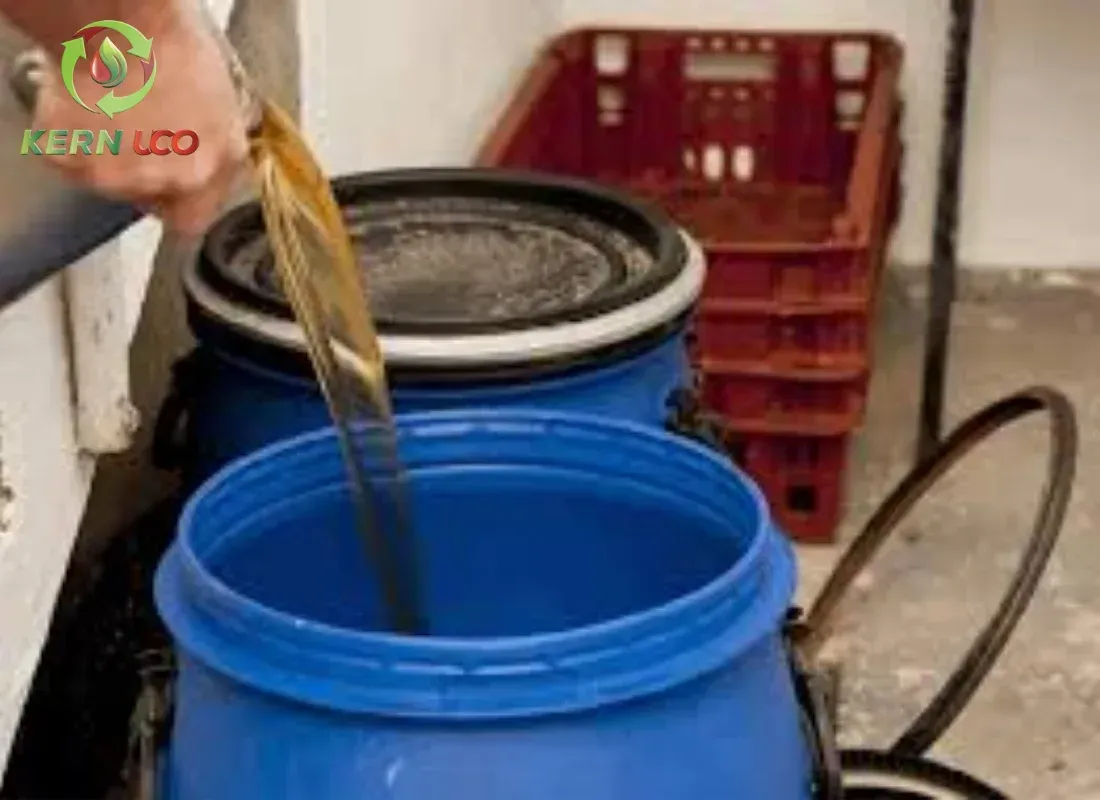
Used cooking oil is oil that has been utilized for frying or cooking food and can no longer be reused safely. This oil must be collected, stored, and transported properly to prevent spills, contamination, or illegal dumping.
What Happens After Collection?
When handled correctly, used cooking oil is recycled into valuable products such as:
Biodiesel
Renewable fuels
Industrial lubricants
Animal feed additives (where permitted)
Soaps and detergents
This makes proper recycling both an environmental necessity and a resource recovery opportunity.
The Risks of Choosing the Wrong Recycling Partner
Many restaurants search for oil recycling near me and choose the first company that appears. While convenience matters, this approach can be risky.
Here’s what can go wrong:
Unlicensed collectors dumping oil illegally
Inconsistent pickups causing overflow and odor
Stolen oil leading to liability issues
No documentation during health inspections
Environmental violations tied back to your business
These risks make it essential to choose a certified waste cooking oil collection service with transparent operations.
What Does “Certified Recycling Partner” Really Mean?
A certified recycling partner is a company that meets regulatory, environmental, and safety standards at the local, state, and federal levels.
Certifications typically indicate:
Compliance with environmental regulations
Proper transportation licensing
Safe storage and handling procedures
Documented recycling processes
Trained and insured staff
However, not all certifications are equal which is why asking the right questions is critical.
Essential Questions to Ask Before Signing a Recycling Contract
1. Are You Fully Licensed and Certified?
This should always be your first question.
Ask your provider to clearly explain:
Which licenses they hold
Which regulatory bodies oversee them
Whether they meet local and state environmental standards
A reputable Restaurant Cooking Oil Recycling company will provide documentation without hesitation.
Red flag: Vague answers or reluctance to share proof.
2. How Do You Ensure Regulatory Compliance?
Regulations around oil disposal and recycling are strict and violations often trace back to the oil generator (your restaurant).
Ask:
How do you stay compliant with changing regulations?
Do you provide compliance documentation?
Can you assist during inspections?
A professional waste cooking oil collection service should help you stay audit-ready at all times.
3. What Happens to the Oil After Collection?
Transparency matters.
You should know:
Where the oil goes
How it is processed
Whether it is actually recycled
Some unethical operators claim to recycle oil but resell it illegally or dump it improperly.
If you want deeper insight into how professional collection works, this guide on used cooking oil collection service explains the process in detail.
4. How Secure Is Your Collection Process?
Used cooking oil theft is a real problem in the restaurant industry.
Ask:
Do you use locked containers?
How do you prevent spills and theft?
Are drivers trained and background-checked?
Secure collection protects your property, staff, and brand reputation.
5. How Often Are Pickups Scheduled?
Inconsistent pickup schedules can lead to:
Overflowing containers
Strong odors
Pest issues
Fire hazards
Ask:
Can pickup frequency be customized?
What happens if emergency pickup is needed?
How do you handle missed collections?
If you’re searching for oil recycling near me, reliability should matter more than proximity alone.
6. Do You Provide Proper Storage Equipment?
High-quality storage is essential for safety and cleanliness.
Ask whether the provider supplies:
Leak-proof containers
Spill-resistant lids
Containers sized for your oil volume
A professional Restaurant Cooking Oil Recycling partner ensures storage equipment meets safety standards.
7. Is Your Staff Properly Trained and Insured?
Your recycling partner’s staff represents your business while on your property.
Ask:
Are drivers trained in spill prevention?
Do they follow safety protocols?
Are they insured and bonded?
This will shield you against accidents or damages.
8. Do You Offer Documentation and Reporting?
Health inspection or auditing usually involves documentation.
Ask:
Do you provide pickup receipts?
Can you supply recycling reports?
Are records accessible digitally?
A trustworthy waste cooking oil collection service should make documentation easy and transparent.
9. How Do You Handle Environmental Responsibility?
Sustainability is more than a buzzword.
Ask:
What sustainability practices do you follow?
Do you support renewable energy initiatives?
Can you provide environmental impact data?
Partnering with an environmentally responsible recycler strengthens your brand image and customer trust.
10. What Happens If Regulations Change?
Environmental laws evolve constantly.
Ask:
How do you adapt to regulatory updates?
Will you notify us if changes affect our operations?
Do you help with compliance transitions?
A forward-thinking partner helps future-proof your business.
Why “Oil Recycling Near Me” Isn’t Enough
Many restaurant owners search for oil recycling near me and stop there. While location matters, it should not be the deciding factor.
A nearby provider who lacks certification, reliability, or transparency can cost you far more in the long run.
Instead, prioritize:
Certification
Experience
Compliance support
Reliability
Distance is secondary to professionalism.
The Financial Side: Hidden Costs vs. Long-Term Value
Some recycling partners offer low prices upfront but cut corners elsewhere.
Hidden costs may include:
Fines from improper disposal
Emergency cleanup fees
Lost business during shutdowns
Legal liability
A certified Restaurant Cooking Oil Recycling partner may cost slightly more but delivers far greater long-term value.
How Professional Recycling Protects Your Brand
Customers today care deeply about sustainability. Restaurants that demonstrate responsible waste management stand out.
A trusted recycling partner helps you:
Meet ESG goals
Improve public perception
Build trust with eco-conscious customers
When your oil is recycled responsibly, your brand benefits quietly but powerfully.
Learning from Industry Leaders
Well-established recycling companies often set the benchmark for best practices in the industry. For example, organizations like NW Grease have helped shape responsible grease and oil recycling standards through structured processes, safety protocols, and environmental accountability.
Learning from such industry leaders highlights why certification and experience matter when choosing a recycling partner.
Common Mistakes Restaurants Make When Choosing a Partner
Avoid these common pitfalls:
Choosing based on price alone
Skipping certification verification
Ignoring documentation requirements
Not asking about oil’s end use
Assuming all collectors are compliant
Each mistake increases risk and potential liability.
A Simple Checklist Before You Sign
Before finalizing any agreement, make sure you can confidently answer “yes” to the following:
Is the provider licensed and certified?
Do they offer secure storage and collection?
Are pickup schedules reliable and flexible?
Do they provide documentation and compliance support?
Are sustainability practices clearly defined?
If any answer is unclear, keep looking.
Why Kernuco Supports Responsible Recycling
At kernuco.com, responsible waste management isn’t just a service it’s a commitment. Understanding the importance of certified partners helps restaurants make informed decisions that protect operations, communities, and the environment.
By promoting education around proper oil recycling and compliance, Kernuco empowers businesses to make smarter, safer, and more sustainable choices.
Final Thoughts: Choose Partnership Over Convenience
Selecting a certified recycling partner is not just about removing used oil it’s about protecting your business, your customers, and the environment.
The right Restaurant Cooking Oil Recycling partner will:
Reduce operational risks
Ensure regulatory compliance
Support sustainability goals
Provide peace of mind
Before you sign, ask the hard questions. Demand transparency. Choose long-term value over short-term convenience.
Your restaurant and the planet will be better for it.