Save Money and Protect Your Kitchen with Used Cooking Oil Recycling
Save Money and Protect Your Kitchen with Used Cooking Oil Recycling
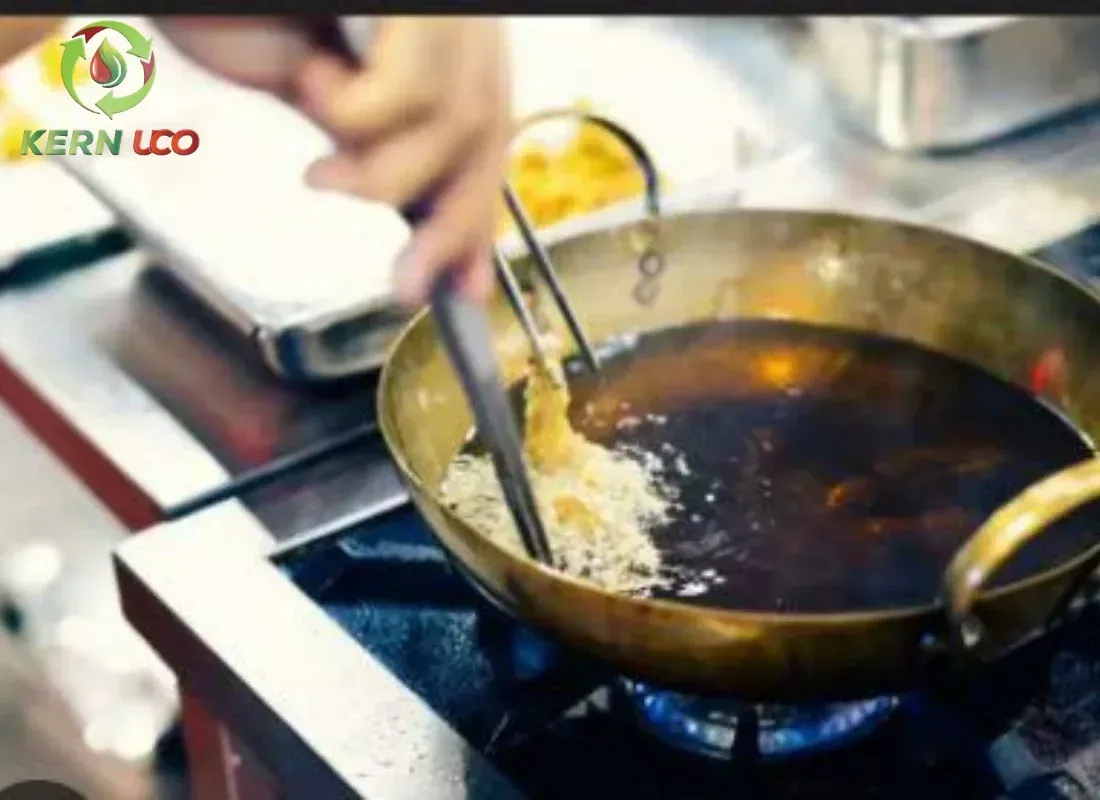
Every restaurant owner is running the same mental math on a daily basis: what's coming in, what's going out, and where the next unexpected expense might hit. Food costs get scrutinized line by line. Labor gets tracked to the hour. But there's one area that quietly drains money and puts kitchens at risk without ever showing up as its own budget category used cooking oil that isn't being handled properly.
Here's the core idea we want to sit with for this entire piece: used cooking oil recycling isn't a cost, it's a savings strategy. Once you start looking at it through that lens, the case for setting up a proper system becomes obvious. It protects your equipment, your plumbing, and your compliance standing, while often putting a little money back in your pocket instead of taking it out.
This article is going to stay focused on that one idea how cooking oil recycling saves restaurants real money and protects the physical kitchen itself and walk through exactly how that plays out in practice.
The Real Cost of Not Recycling Your Oil
To understand why oil recycling saves money, it helps to first understand what it costs restaurants when they don't have a system in place. These costs are often invisible until they suddenly aren't.
Emergency plumbing repairs. This is the big one. Oil poured down drains, or oil that leaks from improperly stored containers, cools and hardens inside pipes. Over weeks and months, it narrows the pipe until you're facing a full blockage. Emergency plumbing calls for grease-clogged lines routinely cost hundreds to thousands of dollars and they tend to happen during peak service hours, which means lost revenue on top of the repair bill.
Fines and regulatory penalties. Most cities enforce Fats, Oils, and Grease (FOG) ordinances, and violations come with real financial penalties. A restaurant caught disposing of oil improperly, whether through a drain or an unlicensed hauler, can face fines that add up quickly, especially with repeat violations.
Equipment damage. Oil that isn't filtered, monitored, or replaced on a sensible schedule puts unnecessary strain on fryers. Degraded oil left in equipment too long can also damage seals and heating elements over time, leading to repairs or early replacement.
Fire-related losses. Improperly stored oil is a fire risk, and commercial kitchen fires are enormously expensive not just in direct damage, but in lost business during repairs, insurance premium increases, and in the worst cases, permanent closure.
Lost revenue opportunity. This is the one most owners never think about: used cooking oil actually has resale value. Oil that gets thrown away or poured down a drain is being discarded for free, when in many markets, it could have been collected and, depending on volume, generated a bit of income instead.
Add these up, and it becomes clear that "not dealing with it" isn't actually free. It's a slow, often invisible leak of money that only becomes visible when something breaks.
How Recycling Directly Saves Restaurants Money
Now let's flip the picture and look at how a proper restaurant oil recycling system actually pays for itself, sometimes many times over.
It prevents the expensive stuff before it happens. The single biggest financial benefit of oil recycling is prevention. A restaurant paying a modest, predictable fee for scheduled oil pickup is avoiding the far larger, unpredictable cost of an emergency plumbing call, a fire incident, or a regulatory fine. This is the classic "ounce of prevention" math, and in commercial kitchens, that math is dramatic a single blocked main line repair can cost more than years of routine collection service combined.
It can generate direct income. Depending on your location and how much oil your kitchen produces, some collection services actually pay restaurants for their used oil, since it has resale value once refined into biodiesel or other products. What used to be pure waste becomes, even in a modest way, a revenue line instead of an expense.
It extends equipment life. Fryers that run on properly filtered, properly rotated oil experience less wear and tear. That translates into fewer repair calls and a longer usable life before replacement a meaningful savings when you consider how expensive commercial fryers are to replace.
It reduces insurance risk. While this varies by provider and policy, demonstrating a documented, professional approach to fire risk reduction including proper grease and oil handling can be a positive factor in commercial insurance conversations, and at minimum, reduces your exposure to costly claims.
It saves staff time. Time spent by kitchen staff dealing with overflowing containers, cleaning up spills, or improvising disposal solutions is time not spent on actual food prep or service. A professional system removes that friction entirely, which has a real, if less obvious, labor cost benefit.
Taken together, these savings usually far outweigh the cost of a professional collection service. It's rare to find an operational change this simple that pays for itself this consistently.
Protecting the Physical Kitchen, Not Just the Budget
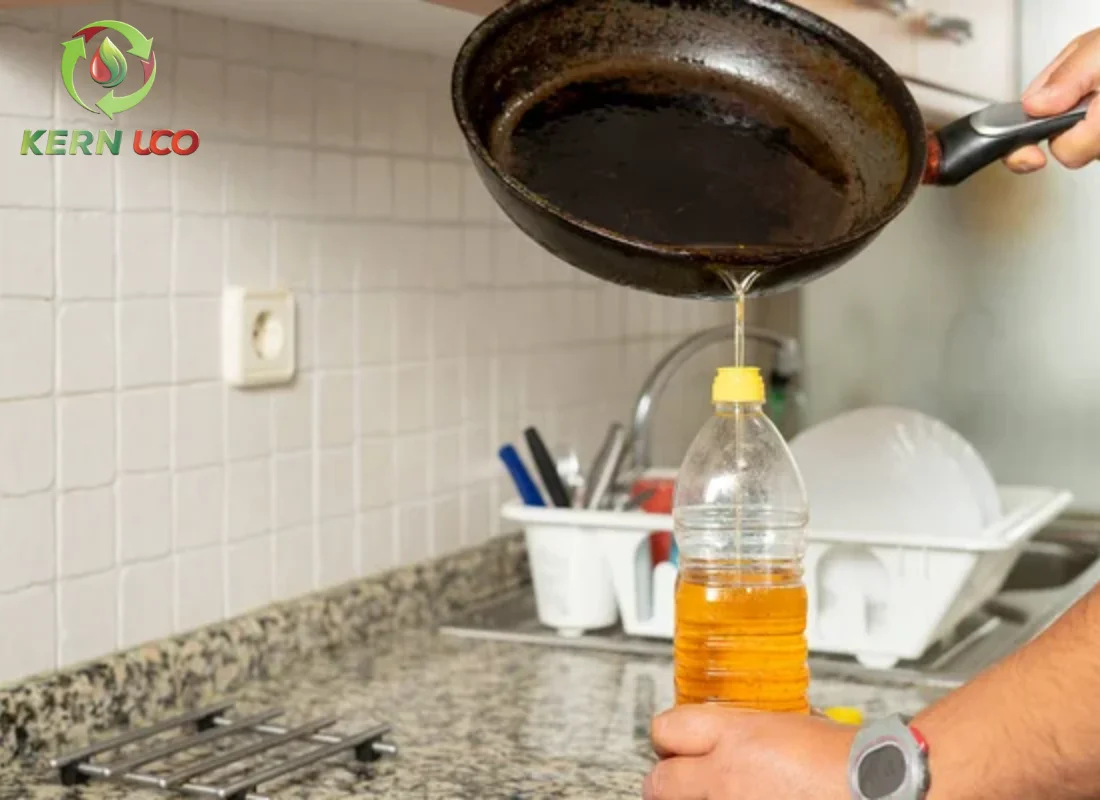
Money is only half of the story. The other half is protecting the actual physical space where your business operates something that's easy to take for granted until it's compromised.
Plumbing infrastructure. We've already covered how oil clogs pipes, but it's worth emphasizing just how disruptive this is beyond the repair cost itself. A blocked line can shut down part or all of your kitchen mid-service, forcing you to turn away customers and potentially spoil food that can't be prepared without water access.
Fire safety. Grease is one of the most common fuel sources in commercial kitchen fires. Oil that's stored improperly, left sitting in open or damaged containers, or allowed to build up in areas near heat sources significantly increases that risk. Recycling systems that use sealed, purpose-built containers remove much of this risk from the equation entirely.
Pest control. Discarded grease and oil attract rodents and insects. A kitchen with a proper oil recycling system in place, with sealed and regularly emptied containers, is far less likely to develop a pest problem tied to improper waste storage which itself can be an enormously expensive and disruptive issue to resolve.
Air quality and odor. Oil left to degrade in open containers produces a strong, unpleasant smell that can drift into dining areas or nearby public spaces. This isn't just unpleasant it can affect the customer experience and, by extension, your reputation and repeat business.
Overall cleanliness and organization. A kitchen without a defined oil handling process tends to accumulate clutter old containers, spills, and general disorganization around the fryer station. This isn't just an aesthetic issue; disorganized back-of-house areas are more prone to accidents and slower workflows during busy periods.
Recycling used cooking oil properly protects all of these dimensions of your kitchen simultaneously. It's a single operational change with a surprisingly wide protective effect.
Making the Business Case to Yourself (or Your Team)
If you're an owner trying to decide whether it's worth formalizing your oil recycling process, or a manager trying to make the case to ownership, here's a simple way to frame it.
Start by estimating your current oil volume and any existing informal disposal costs even rough numbers help. Then compare that against a quote from a licensed used cooking oil recycling provider, factoring in whether you'd be paying for service or potentially receiving payment for your oil. In almost every case, the predictable, scheduled cost (or income) compares favorably against the unpredictable risk of plumbing repairs, fines, or fire-related losses.
It also helps to think in terms of avoided incidents rather than just monthly fees. One prevented emergency plumbing call, one avoided fine, one prevented equipment failure any single one of these can offset a year or more of service costs. The math tends to make itself once you actually run the numbers instead of treating oil disposal as background noise.
For a deeper technical look at how commercial-scale oil recycling systems work and what they involve, our detailed guide on <a href=" target="_blank" rel="noopener noreferrer">commercial oil recycling</a> breaks down the process from collection through to what the oil becomes after it leaves your kitchen.
What Happens to Recycled Oil (And Why It Matters)
Part of what makes this such an easy case to make is that recycled cooking oil doesn't just disappear into a landfill it becomes a raw material with real market value. Used cooking oil is a primary feedstock for biodiesel production, and it's also used in other applications like animal feed additives and industrial products.
This connects your restaurant, even in a small way, to a much larger renewable resource supply chain. Organizations working in sustainable commodity markets, such as <a href=/" target="_blank" rel="noopener noreferrer">Start Green Commodities</a>, are part of the infrastructure that takes recycled oil and connects it to the markets where it gets turned into usable products. Knowing that your used oil isn't just being hauled away, but actually processed into something valuable, adds a layer of purpose to what might otherwise feel like a purely administrative task.
For customers who increasingly care about sustainability, this is also a detail worth sharing. A restaurant that can say, plainly, "our used cooking oil gets recycled into renewable fuel" is offering something tangible and specific, not just a vague sustainability claim.
Setting Up a System That Actually Saves You Money
If you're ready to move from theory to action, here's a straightforward path to building an oil recycling system that protects your kitchen and your budget.
Estimate your current volume. Look at how much oil you go through weekly or monthly to get an accurate baseline.
Get quotes from licensed local providers. Compare pricing structures, and ask directly whether you might be eligible for payment based on your volume.
Install proper sealed storage. Position containers away from heat sources and in a location that's easy for staff to access without creating clutter.
Set a pickup schedule matched to your actual usage. Avoid guessing base it on real data so you're not overpaying for unnecessary pickups or risking overflow between visits.
Train staff on the process. Make sure everyone understands where oil goes, how it's stored, and why it matters both for compliance and for kitchen safety.
Track the results. After a few months, compare your maintenance costs, any plumbing incidents, and overall kitchen cleanliness against your prior baseline. Most restaurants see the difference clearly within the first year.
None of these steps require a large upfront investment. Most involve simply formalizing something restaurants are already doing informally, just in a way that's consistent, documented, and actually protective.
Final Thoughts
The connection between used cooking oil recycling and a restaurant's bottom line is more direct than most owners realize. It's not an environmental nice-to-have sitting off to the side of the "real" business decisions it's a practical, cost-saving, risk-reducing operational choice that protects your plumbing, your equipment, your compliance standing, and in some cases, even generates a bit of extra revenue.
Restaurants that treat cooking oil recycling as a core part of how the kitchen runs, rather than an afterthought handled informally, consistently avoid the expensive surprises that hit restaurants without a system in place. It's a rare example of an operational change that protects the physical business and improves the financial picture at the same time — and it's one of the simplest upgrades a restaurant can make without disrupting how the kitchen actually runs day to day.