From Waste to Resource: How Restaurants Can Maximize Value with Cooking Oil Recycling
Introduction:
In the modern restaurant industry, efficiency, sustainability, and cost control are no longer optional they are essential for survival and growth. While many restaurant owners focus on menu design, staffing, and customer experience, one critical area often overlooked is oil waste management.
Every commercial kitchen produces significant amounts of used oil daily. Instead of treating it as a liability, forward-thinking restaurants are now transforming it into an opportunity through used cooking oil recycling. With the right systems in place such as Restaurant Cooking Oil Recycling programs and a reliable waste cooking oil collection service this “waste” can become a valuable asset.
This comprehensive guide will walk you through how restaurants can turn used oil into a resource, improve operational efficiency, and build a more sustainable business model.
Understanding the Value Hidden in Used Cooking Oil
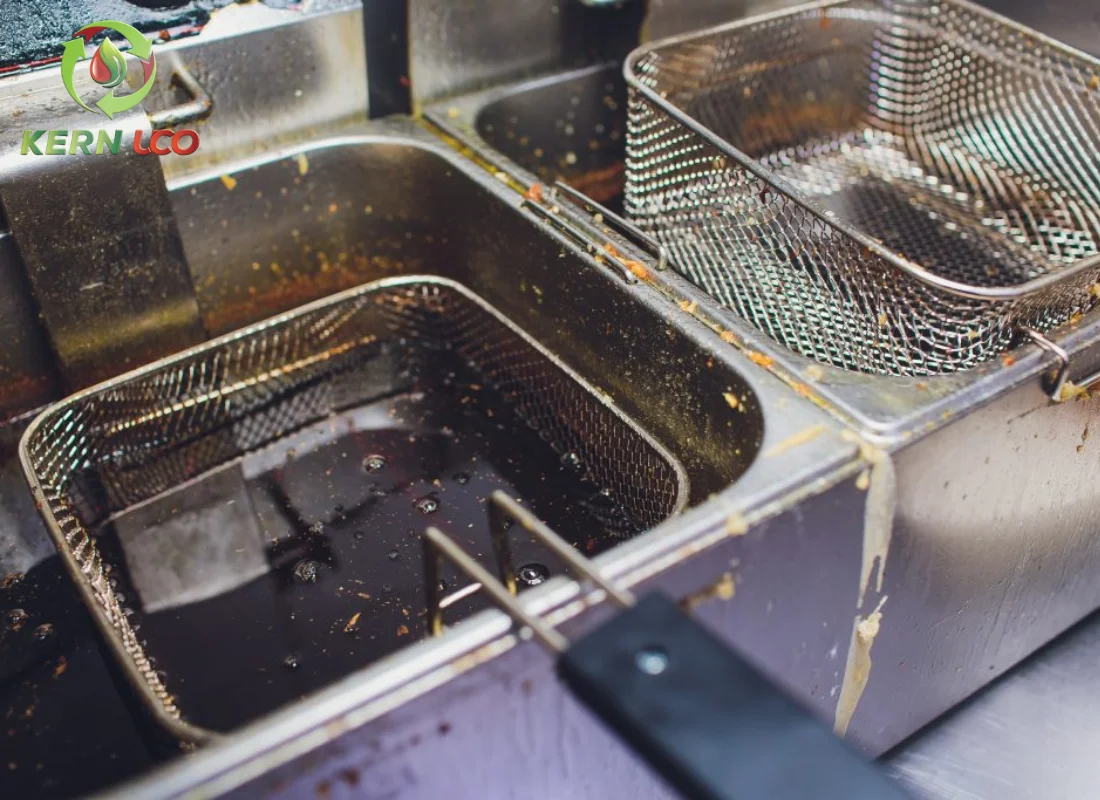
Used cooking oil is often seen as a messy byproduct that needs disposal. But in reality, it’s a reusable resource with significant economic and environmental value.
Recycled oil is commonly used to produce:
Biodiesel fuel
Industrial lubricants
Animal feed additives
Renewable energy sources
By embracing used cooking oil recycling, restaurants can reduce waste while contributing to a circular economy where materials are reused instead of discarded.
Why Restaurant Cooking Oil Recycling Is a Game-Changer
1. Transform Waste into Revenue
Many recycling providers offer compensation for used oil. This means your waste can become a consistent secondary income stream.
2. Improve Operational Efficiency
A structured Restaurant Cooking Oil Recycling system reduces clutter, prevents spills, and keeps kitchens organized.
3. Enhance Sustainability Efforts
Customers today value eco-conscious businesses. Recycling oil demonstrates your commitment to environmental responsibility.
4. Reduce Maintenance Costs
Proper oil management prevents grease buildup in plumbing systems, saving money on repairs.
The Role of Waste Cooking Oil Collection Services
A professional waste cooking oil collection service is the backbone of an effective recycling system.
What These Services Offer
Scheduled oil pickups
Safe transportation and handling
Proper recycling and processing
Compliance with local regulations
By outsourcing oil collection, restaurant staff can focus on core operations instead of waste management.
How Used Cooking Oil Recycling Works
Understanding the process helps you optimize your system.
Step 1: Collection and Storage
Used oil is stored in secure, leak-proof containers to prevent spills and contamination.
Step 2: Scheduled Pickup
A waste cooking oil collection service collects the oil at regular intervals.
Step 3: Filtration and Processing
The oil is cleaned and refined to remove impurities.
Step 4: Repurposing
The processed oil is converted into biodiesel or other useful products.
This cycle transforms waste into a valuable resource, benefiting both businesses and the environment.
Building an Effective Oil Recycling System in Your Restaurant
To maximize value, restaurants need a structured approach.
1. Install Proper Storage Systems
Use designated containers that are easy to access and maintain.
2. Partner with a Reliable Collection Service
Consistency is key. Choose a provider that offers timely and dependable service.
3. Train Your Staff
Employees should know how to handle and dispose of oil safely.
4. Monitor Usage and Waste
Tracking oil usage helps identify inefficiencies and reduce waste.
5. Integrate with Overall Waste Management
Combine recycling with other kitchen practices for a holistic approach.
Financial Benefits of Cooking Oil Recycling
Lower Operational Costs
Reduced plumbing repairs
Fewer emergency maintenance calls
Lower waste disposal expenses
Additional Revenue Streams
Some providers pay for used oil, creating an extra source of income.
Long-Term Savings
Efficient systems reduce wear and tear on equipment, extending its lifespan.
Environmental Benefits: Supporting a Sustainable Future
Adopting Restaurant Cooking Oil Recycling is a powerful step toward sustainability.
Key Environmental Advantages
Reduces landfill waste
Lowers greenhouse gas emissions
Supports renewable energy production
Minimizes water pollution
By working with a trusted <a href="https://nwgrease.com/">professional oil recycling service</a>, restaurants can ensure their waste is handled responsibly and sustainably.
Common Challenges and How to Overcome Them
Challenge 1: Limited Storage Space
Solution: Use compact, stackable containers designed for commercial kitchens.
Challenge 2: Inconsistent Pickup Schedules
Solution: Partner with a reliable waste cooking oil collection service.
Challenge 3: Staff Mismanagement
Solution: Provide regular training and clear guidelines.
Challenge 4: Grease Spills
Solution: Invest in secure storage systems and proper handling procedures.
Challenge 5: Lack of Awareness
Solution: Educate your team about the benefits of used cooking oil recycling.
Improving Kitchen Efficiency Through Better Oil Management
Good organization and cleanliness are key to productivity in the kitchen.
Benefits of Efficient Oil Management
Faster workflow
Reduced downtime
Improved hygiene
Better staff morale
When oil waste is properly managed, your kitchen becomes a safer and more efficient workspace.
Compliance and Safety: Protecting Your Business
Improper oil disposal can lead to:
Health code violations
Environmental penalties
Fire hazards
A structured Restaurant Cooking Oil Recycling system ensures compliance with regulations and protects your business from risks.
Real-World Example: Turning Waste into Opportunity
Consider a mid-sized restaurant struggling with frequent drain blockages and high maintenance costs. After implementing a proper recycling system and partnering with a waste cooking oil collection service, they achieved:
40% reduction in maintenance costs
Cleaner kitchen environment
Improved staff efficiency
Additional revenue from recycled oil
This transformation highlights the real impact of effective oil management.
The Future of Cooking Oil Recycling in Restaurants
The industry is evolving with new technologies and innovations:
Automated oil collection systems
Smart monitoring tools
Advanced filtration technologies
Data-driven waste management solutions
Restaurants that adopt these innovations will stay ahead of the competition.
Tips to Maximize Value from Used Cooking Oil
1. Schedule Regular Pickups
Avoid overflow and maintain cleanliness.
2. Track Oil Usage
Identify inefficiencies and reduce waste.
3. Choose the Right Partner
Work with experienced providers.
4. Maintain Equipment
Ensure storage containers and systems are in good condition.
5. Educate Your Team
Consistency is key to success.
Why Every Restaurant Should Invest in Oil Recycling
The benefits of used cooking oil recycling go beyond waste management:
Improved operational efficiency
Reduced costs
Enhanced sustainability
Stronger brand reputation
In today’s competitive market, these advantages can make a significant difference.
Final Thoughts
The shift from waste to resource is not just a trend it’s the future of restaurant operations. By embracing Restaurant Cooking Oil Recycling and partnering with a reliable waste cooking oil collection service, restaurants can unlock new value from something they once discarded.
From cost savings and efficiency improvements to environmental benefits and compliance, the impact is undeniable. With the right approach, used cooking oil becomes more than waste it becomes an opportunity.
If you’re ready to optimize your kitchen operations and build a more sustainable business, now is the time to act. Start implementing smarter systems, work with trusted professionals, and turn your waste into a powerful resource.