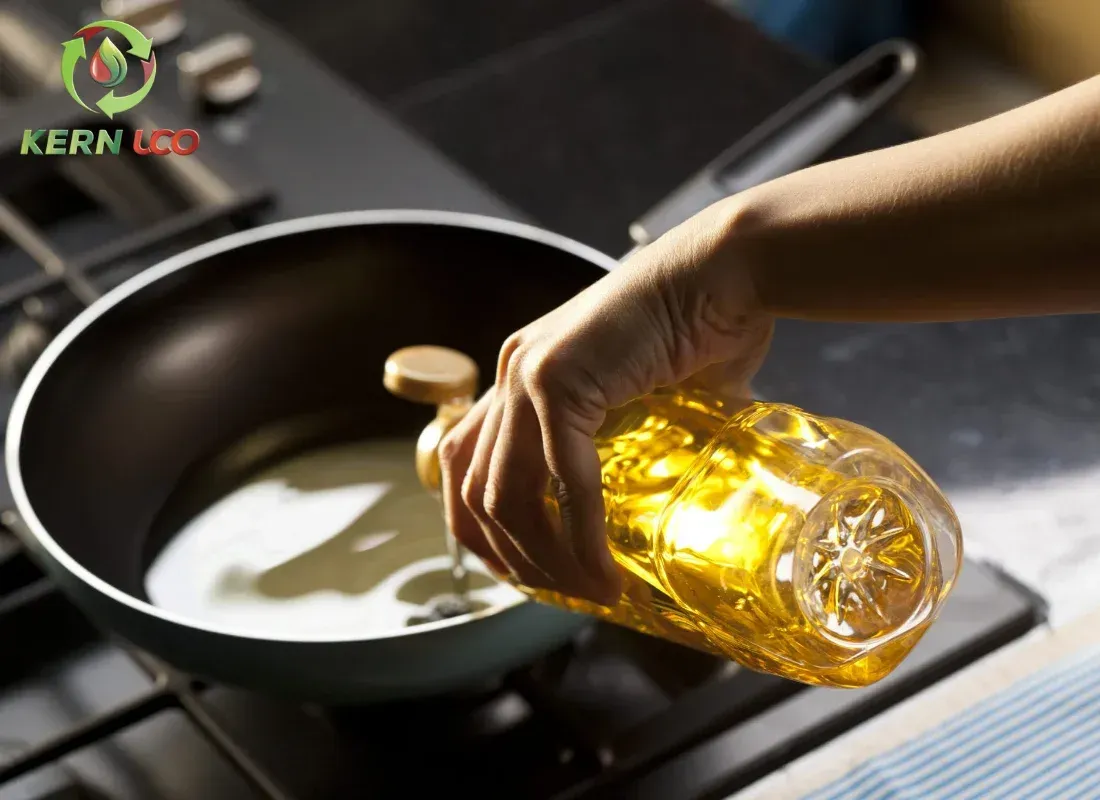
How Restaurant Oil Recycling Supports Cleaner Kitchens and Healthier Operations
Table of Contents
The Overlooked Link Between Oil Habits and Kitchen Cleanliness
How Used Cooking Oil Recycling Reduces Contamination Risk
Restaurant Oil Recycling and Air Quality on the Line
Commercial Kitchen Maintenance: Where Oil Fits Into the Bigger Picture
Pest Control Starts With Proper Oil Handling
Protecting Equipment Through Consistent Oil Practices
Staff Safety and the Hidden Risks of Poor Oil Management
Building a Cleanliness-Focused Oil Recycling Routine
What a Healthier Kitchen Actually Looks Like Day to Day
Choosing a Recycling Partner That Supports Kitchen Health
Final Thoughts
Frequently Asked Questions
The Overlooked Link Between Oil Habits and Kitchen Cleanliness
Most conversations about kitchen cleanliness focus on the obvious stuff sanitizing prep surfaces, handwashing stations, proper food storage temperatures. All important, no argument there. But oil handling rarely makes that list, even though it has just as much influence on how clean and healthy a kitchen actually is.
Think about what happens when oil isn't managed properly. Spills accumulate near storage areas. Odors build up over time. Residue attracts pests. None of that shows up on a typical cleaning checklist, yet it directly affects the environment your staff works in every single day. Restaurants that treat oil recycling as a genuine part of their cleanliness strategy, rather than a separate disposal chore, tend to have noticeably healthier operations overall.
How Used Cooking Oil Recycling Reduces Contamination Risk
Here's something that doesn't get talked about enough: improperly stored or disposed oil creates real contamination pathways in a kitchen. Old oil left sitting too long can develop off odors and attract bacteria growth, especially if storage containers aren't sealed properly or get left open during busy shifts.
Used cooking oil recycling addresses this directly by keeping the entire process contained and predictable. A sealed, designated storage container prevents oil from sitting exposed. A regular pickup schedule means oil never accumulates long enough to become a genuine sanitation concern. And because the container is dedicated solely to oil, there's no risk of cross-contamination with other kitchen waste streams that might otherwise mix and create bigger problems.
Why Contamination Risk Compounds Over Time
A single instance of poorly managed oil probably won't cause a health issue on its own. But kitchens that let this slide week after week are essentially stacking small risks on top of each other residue buildup, lingering odors, potential bacterial growth until eventually something becomes a visible problem, often right around the time a health inspector happens to stop by.
This is part of why treating oil recycling as a one-time fix instead of an ongoing routine tends to fall short. A container that gets emptied properly once but then left unmonitored for the next few weeks just resets the same accumulation cycle. The kitchens that consistently avoid contamination issues are the ones that treat monitoring and pickup scheduling as an ongoing habit, not a task that gets handled and then forgotten until something smells off.
Restaurant Oil Recycling and Air Quality on the Line
Kitchen air quality is one of those things nobody notices until it's bad. Old, degraded cooking oil doesn't just look unappealing it can release stronger, more unpleasant odors as it breaks down, especially in warmer conditions near fryers and cooking equipment.
Restaurant oil recycling helps here in a fairly direct way: oil gets removed before it reaches that heavily degraded stage where odor becomes a real issue. A kitchen running a consistent recycling schedule simply doesn't accumulate the kind of old, sitting oil that tends to be the source of those lingering, hard-to-place smells that can seep into dining areas or cling to staff clothing by the end of a shift.
This matters more than owners often realize. Air quality affects staff comfort and focus during long shifts, and it can influence customer perception too, particularly in smaller restaurants where kitchen and dining areas aren't fully separated.
Commercial Kitchen Maintenance: Where Oil Fits Into the Bigger Picture
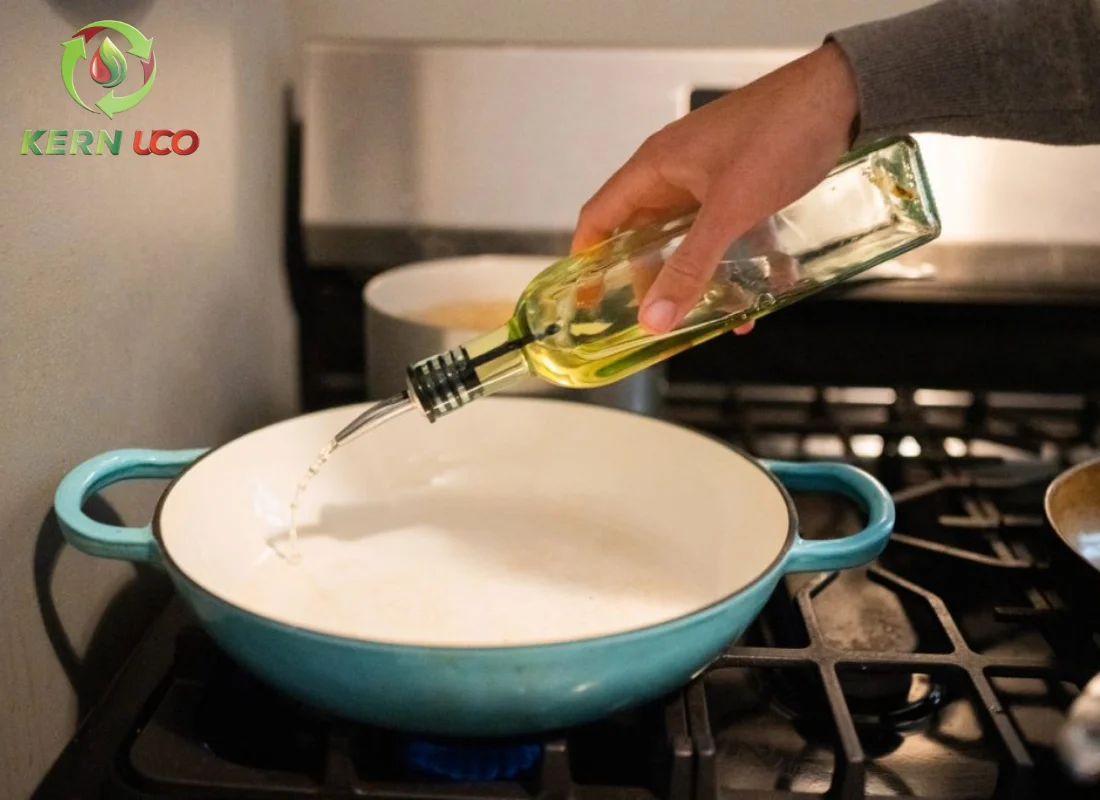
Good commercial kitchen maintenance covers a lot of ground equipment servicing, plumbing checks, ventilation cleaning, pest prevention. Oil management deserves a real seat at that table, not a footnote, because it touches almost every one of those categories in some way.
Plumbing health depends heavily on keeping oil and grease out of pipes. Ventilation systems work harder and accumulate more residue when kitchens are constantly dealing with degraded oil odors and vapors. Even equipment longevity ties back to oil handling, since fryers and related equipment tend to perform better and last longer when oil is changed and disposed of on a consistent schedule rather than pushed past its useful life to save a few dollars.
For a closer look at how proper oil handling fits into a broader maintenance and disposal strategy, Kern UCO's guide to restaurant oil disposal walks through the process in more detail, from storage setup through proper removal.
Building Oil Into Your Maintenance Checklist
Rather than treating oil recycling as separate from your regular maintenance routine, fold it directly into the same checklist. If you're already tracking equipment servicing dates and deep-cleaning schedules, adding oil pickup confirmations and storage inspections to that same system keeps everything visible in one place instead of scattered across separate mental to-do lists that are easy to lose track of.
This kind of integration also makes it far easier to spot patterns over time. If you notice equipment issues clustering around periods when oil pickups were delayed, or pest sightings increasing during a stretch when storage inspections lapsed, having everything logged together makes those connections obvious instead of buried across disconnected records that nobody has time to cross-reference during a busy week.
Pest Control Starts With Proper Oil Handling
Few things attract pests in a commercial kitchen faster than accumulated grease and oil residue. Rodents and insects are drawn to the scent, and even small amounts of spilled or improperly stored oil can become an entry point for a much bigger pest problem down the line.
Proper used cooking oil recycling significantly reduces this risk simply by keeping oil contained, sealed, and moving out of the kitchen on a predictable schedule rather than accumulating in open containers or forgotten corners. Combine that with routine cleaning around storage areas, and you remove one of the more common pest attractants before it ever becomes an issue worth calling an exterminator over.
This connection between oil management and pest control is one of the clearest, most practical reasons cleanliness and recycling really do go hand in hand it's not an abstract sustainability argument, it's a direct operational one.
It's also worth noting that pest issues, once established, are far more disruptive and costly to resolve than the preventive habits that would have avoided them in the first place. A pest control visit triggered by a health code violation can mean lost operating hours, remediation costs, and in some cases, a temporary closure while the issue gets addressed. Compared to that, the discipline of keeping oil sealed and moving out on schedule is a remarkably small price to pay for avoiding a much bigger, more disruptive problem down the line.
Protecting Equipment Through Consistent Oil Practices
Fryers and related cooking equipment are a significant investment, and how you manage oil directly affects how well that equipment holds up over time. Oil that's pushed well past its useful life tends to break down chemically, which can leave behind residue that's harder to clean and, over time, contributes to equipment wear.
A consistent oil recycling routine, paired with appropriate oil-change intervals, keeps equipment running more efficiently and reduces the buildup that eventually requires more intensive (and expensive) deep cleaning or repair. It's a small operational discipline that pays off in equipment longevity, which matters quite a bit when you're looking at the cost of replacing commercial fryers.
There's also a heat efficiency angle worth mentioning. Fresh, well-maintained oil heats and holds temperature more predictably than oil that's been pushed well past its useful life, which means more consistent cooking results and less strain on the equipment working to maintain that temperature. Over months and years, that consistency adds up to less wear on heating elements and fewer unexpected equipment failures during service the kind that always seem to happen on your busiest night rather than a slow Tuesday.
Staff Safety and the Hidden Risks of Poor Oil Management
There's a safety dimension to this conversation that's easy to overlook. Oil spills near storage areas create slip hazards, particularly in high-traffic zones near back doors where staff are moving quickly during busy shifts. Overfilled containers are more prone to spilling during transport or pickup, adding unnecessary risk to what should be a routine task.
A well-organized oil recycling system proper containers, clear labeling, sensible placement, routine monitoring reduces these risks substantially. It's a straightforward example of how good waste management isn't just about compliance or sustainability; it's genuinely about protecting the people working in your kitchen every day.
Building a Cleanliness-Focused Oil Recycling Routine
Bringing this all together doesn't require reinventing your operations. A few consistent habits cover most of the ground.
Keep storage containers sealed and positioned away from high-traffic areas, but still accessible enough that staff actually use them properly rather than improvising. Establish a pickup schedule that matches your actual oil volume, so containers never sit long enough to become an odor or contamination concern. Assign one team member to monitor storage areas and flag any spills or issues immediately, rather than waiting for a scheduled cleaning to catch problems. And keep the surrounding area genuinely clean wiping down surfaces, checking for residue buildup, and treating the oil storage zone with the same attention you'd give any other part of the kitchen.
A Simple Cleanliness Checklist
Inspect storage containers for leaks or overflow daily
Wipe down surrounding surfaces during regular cleaning shifts
Confirm pickup schedules align with actual oil volume
Address any odor or pest concerns immediately, not at the next scheduled cleaning
What a Healthier Kitchen Actually Looks Like Day to Day
It's worth painting a picture of what this actually looks like in practice, because the benefits aren't always obvious until you see them stacked together. A kitchen with a solid oil recycling routine tends to have noticeably less lingering odor, fewer pest sightings, cleaner-feeling storage areas, and equipment that performs consistently without the residue buildup that comes from neglected oil practices.
Staff notice this too, even if they don't always articulate it directly. A kitchen that feels clean and well-organized tends to have better morale and fewer complaints about working conditions, which quietly supports staff retention in an industry where turnover is already a constant challenge.
It's also worth considering how this affects new hire onboarding. A kitchen where oil handling is clearly systemized labeled containers, an obvious routine, no confusion about who's responsible for what gives new team members a much easier starting point than one where the process is informal or inconsistent. That clarity reduces the kind of early mistakes that come from guessing at unwritten rules, and it signals to new staff, right from the start, that this kitchen takes its operations seriously across the board, not just in the areas customers can see.
Choosing a Recycling Partner That Supports Kitchen Health
Not every recycling provider approaches this with the same level of care, and it's worth choosing one that understands the connection between proper collection and kitchen cleanliness, not just one that shows up and swaps containers without much attention to detail.
Look for providers who handle containers cleanly during pickup, communicate clearly about scheduling, and are responsive if you need an unscheduled pickup during a particularly busy stretch. It's also worth researching how other regional providers structure their programs for comparison. Some restaurant owners look at services like Start Green Commodities to get a sense of how different recycling and sustainability-focused providers operate, which can be a useful reference point when evaluating options for your own kitchen.
Final Thoughts
Cleaner kitchens and healthier operations don't happen by accident they're built through consistent habits, and oil management deserves a much bigger role in that conversation than it typically gets. Used cooking oil recycling isn't just an environmental checkbox or a compliance requirement; it's a direct contributor to better air quality, reduced pest risk, protected equipment, and a genuinely safer working environment for your staff. Fold restaurant oil recycling into your regular commercial kitchen maintenance routine, and you're not just avoiding problems you're building the kind of kitchen that runs smoother, smells better, and holds up longer over time.
None of this requires a dramatic transformation or a large upfront investment. It just requires treating oil the same way you'd treat any other essential part of kitchen operations with a clear process, a reliable partner, and enough consistency that it becomes second nature rather than an afterthought squeezed in whenever there's spare time. The kitchens that get this right tend to run quieter, cleaner, and with fewer surprises, which, at the end of a long shift, is really what every owner is hoping for anyway.
Frequently Asked Questions
1. How does used cooking oil recycling actually improve kitchen air quality? By removing oil before it degrades to the point of releasing strong odors, recycling prevents the buildup of the smells that typically come from old, sitting oil near fryers and cooking equipment.
2. Can poor oil management really attract pests? Yes. Accumulated grease and spilled oil are strong attractants for rodents and insects, making proper storage and regular pickup one of the more effective pest prevention habits a kitchen can adopt.
3. Should oil recycling be part of a formal maintenance checklist? Absolutely. Treating oil recycling as part of your broader commercial kitchen maintenance routine, rather than a separate task, keeps it visible and consistent alongside equipment servicing and cleaning schedules.
4. Does oil management really affect equipment lifespan? Yes. Oil that's used well past its effective life tends to leave behind residue that contributes to equipment wear, while consistent oil-change and recycling habits help keep fryers and related equipment running efficiently for longer.
5. What's the simplest first step for a kitchen that's never had a formal oil recycling routine? Start with a sealed, designated storage container and a pickup schedule that matches your oil volume, then assign one team member to monitor it. That foundation alone resolves most of the common cleanliness and safety issues tied to poor oil handling.