Commercial Kitchen Grease Management: A Complete Guide for Restaurant Owners
Introduction:
Running a successful restaurant involves more than serving delicious food and creating a memorable dining experience. Behind every busy kitchen lies a critical operational challenge that many restaurant owners underestimate commercial kitchen grease management. From clogged drains and foul odors to environmental compliance and fire hazards, improper grease handling can quickly turn into a costly problem.
Today, effective used cooking oil recycling and smart restaurant waste management practices are no longer optional. They are essential for maintaining kitchen efficiency, reducing operational costs, protecting the environment, and ensuring compliance with local regulations.
Whether you own a fast-food chain, café, hotel kitchen, food truck, or fine dining restaurant, this complete guide will help you understand everything about grease management, grease trap maintenance, and sustainable oil disposal solutions.
Why Commercial Kitchen Grease Management Matters
Commercial kitchens produce significant amounts of grease, fats, oils, and food waste daily. When these substances are improperly disposed of, they accumulate inside plumbing systems, grease traps, and sewer lines.
Poor grease management can lead to:
Blocked drainage systems
Expensive plumbing repairs
Health code violations
Unpleasant kitchen odors
Environmental pollution
Increased fire risks
Business interruptions
Restaurant owners who invest in proper restaurant waste management systems create safer, cleaner, and more efficient kitchens while also improving sustainability efforts.
Understanding FOG: Fats, Oils, and Grease
FOG stands for fats, oils, and grease generated during food preparation and cooking processes. Common sources include:
Fryer oil
Meat grease
Butter and margarine
Sauces and dressings
Cooking oils
Dairy products
Food scraps
When hot grease enters plumbing systems, it cools and solidifies. Over time, this creates severe blockages that can shut down kitchen operations completely.
This is why professional used cooking oil recycling services play such a crucial role in modern commercial kitchens.
The Hidden Costs of Poor Grease Management
Many restaurant owners only react when problems occur. However, neglecting grease management creates long-term financial damage.
1. Plumbing Emergencies
Grease buildup causes drain blockages that require emergency plumbing services. Frequent repairs can become extremely expensive.
2. Regulatory Fines
Health departments and environmental agencies impose heavy penalties on businesses that violate waste disposal regulations.
3. Fire Hazards
Grease accumulation near cooking equipment increases the risk of kitchen fires significantly.
4. Customer Experience Damage
Bad odors, dirty kitchens, and sanitation issues negatively affect customer reviews and brand reputation.
5. Operational Downtime
Severe grease-related problems can force restaurants to temporarily close, resulting in lost revenue.
Proper grease management prevents these issues while improving overall business efficiency.
What Is Used Cooking Oil Recycling?
Used cooking oil recycling is the process of collecting, filtering, and repurposing waste cooking oil into useful products such as:
Biodiesel fuel
Animal feed additives
Industrial lubricants
Renewable energy products
Soap and cleaning materials
Instead of dumping old fryer oil into drains or trash bins, restaurants can partner with professional recycling companies that safely collect and process waste oil.
This not only protects the environment but also supports sustainable business practices.
For businesses looking for reliable recycling solutions, many restaurant owners explore services like NW Grease to improve waste oil handling and grease disposal efficiency.
Benefits of Used Cooking Oil Recycling for Restaurants
Environmental Sustainability
Recycling waste cooking oil reduces water contamination and lowers environmental pollution. It also supports renewable energy production through biodiesel manufacturing.
Cost Savings
Professional recycling services help reduce plumbing issues, maintenance expenses, and emergency repairs.
Regulatory Compliance
Many municipalities require restaurants to properly dispose of grease and cooking oil. Recycling ensures compliance with local environmental laws.
Improved Kitchen Hygiene
Organized oil collection systems create cleaner and safer kitchen environments.
Brand Reputation
Customers increasingly support environmentally responsible businesses. Sustainable waste management enhances brand image and customer trust.
Essential Components of Commercial Kitchen Grease Management
Effective grease management involves multiple systems working together.
Grease Traps
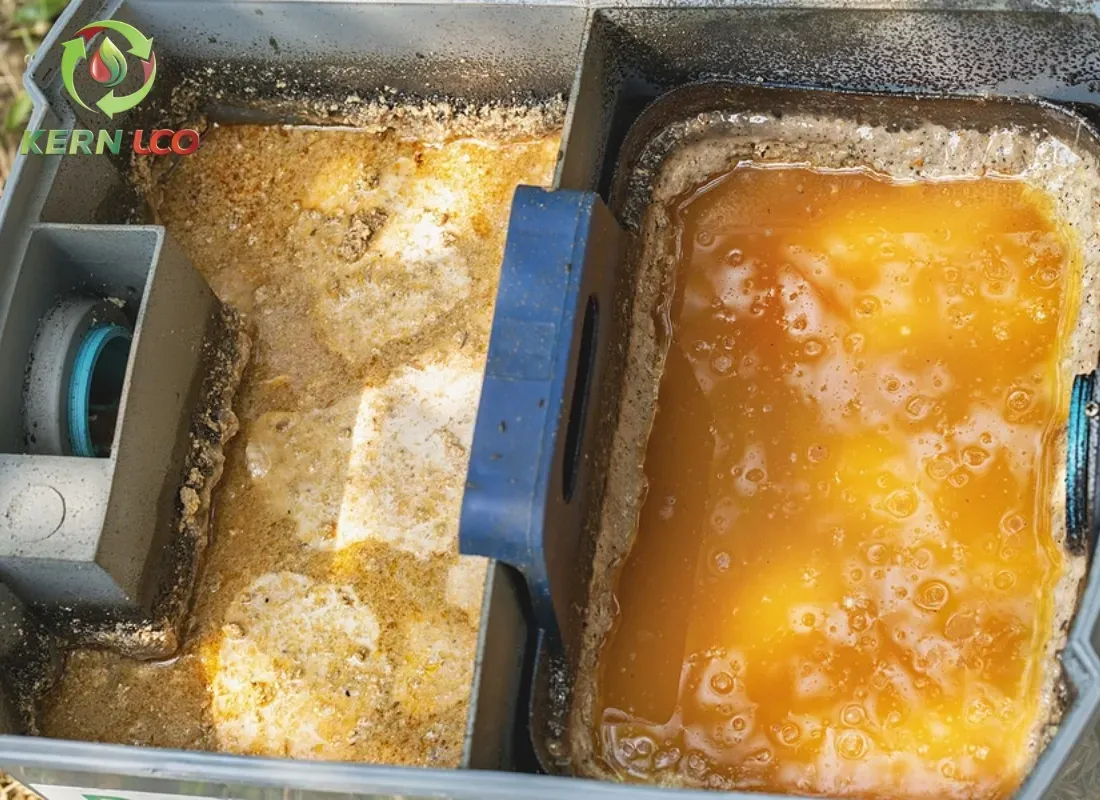
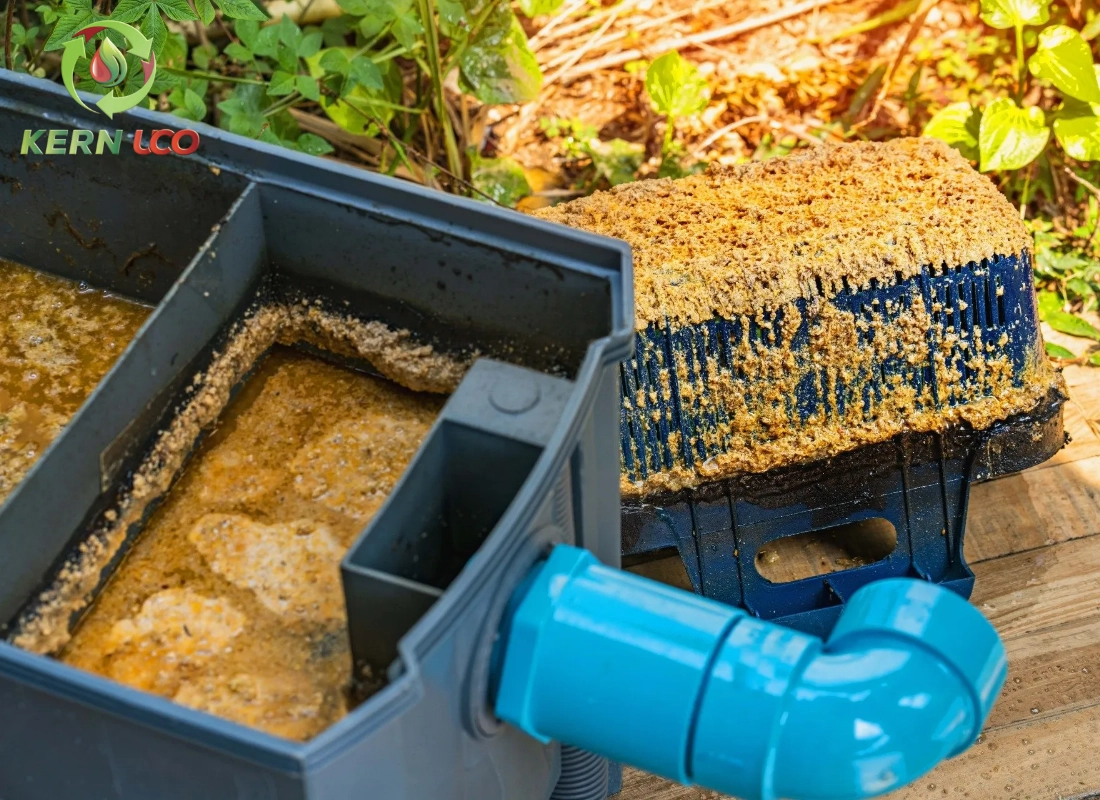
Grease traps separate fats, oils, and grease from wastewater before it enters sewer systems.
How Grease Traps Work
As wastewater flows through the trap:
Solid food particles settle at the bottom
Water remains in the middle
Grease floats to the top
This prevents grease from entering public sewer systems.
Importance of Regular Cleaning
Without routine maintenance, grease traps become overloaded and ineffective.
Restaurant owners often search for grease trap cleaning near me to find professional services that ensure compliance and optimal kitchen performance.
Signs Your Grease Trap Needs Cleaning
Ignoring grease trap maintenance can lead to severe operational problems.
Watch for these warning signs:
Slow drainage
Foul odors
Overflowing sinks
Frequent clogs
Increased pest activity
Grease backups
Routine inspections and scheduled cleaning prevent emergency situations.
How Often Should Grease Traps Be Cleaned?
Cleaning frequency depends on:
Restaurant size
Food volume
Cooking methods
Local regulations
General recommendations include:
Consistent cleaning ensures smooth operations and regulatory compliance.
Best Practices for Restaurant Waste Management
Successful restaurant waste management requires a proactive strategy.
Train Kitchen Staff
Employees should understand:
Proper grease disposal procedures
Food waste separation
Oil storage safety
Drain protection practices
Install Quality Grease Equipment
Invest in:
Commercial grease traps
Oil storage containers
Drain screens
Automated grease recovery systems
Schedule Preventive Maintenance
Routine inspections help identify problems before they become expensive emergencies.
Partner with Professional Recycling Services
Reliable recycling companies provide:
Scheduled oil pickup
Safe transportation
Compliance documentation
Sustainable disposal solutions
Common Mistakes Restaurant Owners Make
Pouring Grease Down Drains
This is one of the biggest mistakes commercial kitchens make. Even small amounts accumulate over time.
Infrequent Grease Trap Cleaning
Waiting until problems appear often results in costly repairs and downtime.
Improper Oil Storage
Used oil should be stored in sealed, designated containers away from heat sources.
Ignoring Local Regulations
Many cities have strict grease disposal laws. Non-compliance can lead to significant fines.
DIY Grease Disposal
Professional recycling and disposal services are far safer and more effective.
Sustainable Restaurant Operations Through Recycling
Modern consumers value sustainability. Restaurants that prioritize environmentally responsible operations gain a competitive advantage.
Sustainability Benefits Include:
Reduced carbon footprint
Lower environmental impact
Cleaner communities
Better public perception
Increased customer loyalty
Implementing a professional used cooking oil recycling program demonstrates environmental responsibility while improving operational efficiency.
The Role of Technology in Grease Management
Technology is transforming commercial kitchen operations.
Smart Grease Monitoring Systems
These systems track:
Grease trap levels
Oil quality
Maintenance schedules
Waste collection needs
Automated Oil Filtration Systems
Oil filtration extends fryer oil lifespan, reducing replacement costs and waste generation.
Digital Compliance Reporting
Modern recycling companies provide digital documentation for regulatory compliance and operational tracking.
Health and Safety Considerations
Grease management directly impacts workplace safety.
Slip and Fall Prevention
Grease spills create dangerous floor conditions.
Fire Prevention
Kitchen grease is highly flammable. Proper disposal reduces fire hazards significantly.
Air Quality Improvement
Poor grease management contributes to unpleasant odors and unhealthy air conditions.
Pest Control
Food waste and grease attract rodents and insects.
Clean kitchens create safer working environments for staff and healthier dining experiences for customers.
Choosing the Right Grease Management Partner
Selecting a professional grease management company is crucial.
What to Look For
Industry Experience
Choose companies with proven commercial kitchen expertise.
Compliance Knowledge
Ensure they understand local environmental regulations.
Reliable Pickup Schedules
Consistent service prevents overflow and storage issues.
Emergency Support
Quick response services are essential during urgent situations.
Sustainable Recycling Practices
Environmentally responsible disposal methods matter.
Businesses seeking dependable recycling and grease collection services can learn more through resources like this oil recycling guide.
How Grease Management Improves Restaurant Profitability
Many restaurant owners see grease management as merely an operational expense. In reality, it contributes directly to profitability.
Reduced Maintenance Costs
Preventive care minimizes expensive plumbing and repair bills.
Improved Equipment Lifespan
Clean systems place less strain on kitchen equipment.
Better Operational Efficiency
Smooth drainage and organized waste handling improve kitchen productivity.
Enhanced Customer Experience
Clean, odor-free environments strengthen customer satisfaction.
Stronger Brand Reputation
Eco-conscious consumers increasingly support sustainable businesses.
Creating a Grease Management Plan
Every restaurant should have a structured grease management plan.
Step 1: Assess Kitchen Operations
Identify:
Oil usage volume
Waste generation patterns
Existing grease systems
Step 2: Implement Staff Training
Create clear procedures for:
Oil disposal
Spill cleanup
Equipment maintenance
Step 3: Schedule Maintenance
Develop consistent schedules for:
Grease trap cleaning
Oil collection
Equipment inspections
Step 4: Track Compliance
Maintain documentation for:
Waste disposal
Recycling services
Inspection reports
Step 5: Evaluate Performance
Regularly review:
Maintenance costs
Waste reduction
Sustainability goals
Future Trends in Commercial Kitchen Grease Management
The restaurant industry continues evolving toward sustainability and operational efficiency.
Renewable Energy Integration
More recycled cooking oil is being converted into biodiesel and renewable fuels.
Eco-Friendly Kitchen Design
Modern kitchens increasingly include advanced waste reduction systems.
Stricter Environmental Regulations
Governments are implementing stronger waste disposal policies.
Data-Driven Maintenance
Smart monitoring systems are becoming standard in commercial kitchens.
Restaurants that adapt early will remain competitive and compliant.
Why Restaurant Owners Should Prioritize Grease Management
Ignoring grease management can lead to:
Expensive repairs
Legal penalties
Operational disruptions
Environmental harm
Customer dissatisfaction
On the other hand, proactive grease management offers:
Cleaner kitchens
Lower operating costs
Regulatory compliance
Better sustainability
Stronger business reputation
Commercial kitchens that invest in professional used cooking oil recycling and effective restaurant waste management systems create safer, more profitable, and environmentally responsible operations.
Final Thoughts
Commercial kitchen grease management is not just about avoiding clogged drains it is a critical component of restaurant success. From protecting plumbing systems and improving safety to supporting sustainability and maintaining compliance, proper grease handling impacts every aspect of restaurant operations.
By investing in regular grease trap maintenance, professional oil recycling services, and staff training, restaurant owners can significantly reduce operational risks while improving efficiency and environmental responsibility.
As the food industry continues moving toward sustainable practices, businesses that prioritize used cooking oil recycling and effective restaurant waste management will stand out as responsible, forward-thinking brands.