Turn Waste Oil Into Value: Smart Cooking Oil Recycling Solutions for Restaurants
Table of Contents
Why Used Cooking Oil Recycling Matters
The Growing Need for Sustainable Restaurant Operations
What Happens When Restaurants Dispose of Oil Improperly?
Understanding Restaurant Grease Recycling
How Professional Oil Recycling Services Work
Key Benefits of Used Cooking Oil Recycling
How to Choose the Best Oil Recycling Near Me
Why Grease Trap Cleaning Is Essential
Warning Signs Your Current Oil Disposal Service Is Failing
Questions Restaurants Should Ask Before Hiring a Recycling Company
How Used Cooking Oil Becomes Biodiesel
Restaurant Sustainability Practices That Actually Work
Why Local Oil Recycling Services Matter
How Reliable Oil Recycling Saves Restaurants Money
The Future of Sustainable Restaurant Waste Management
Why Kernuco Supports Smarter Oil Recycling Solutions
Final Thoughts
Why Used Cooking Oil Recycling Matters
Commercial kitchens generate large quantities of waste oil every day. Fryers, grills, and cooking stations continuously produce grease and used oil that must be handled properly.
Without a professional disposal system, restaurants risk:
Clogged plumbing systems
Sewer backups
Environmental contamination
Health code violations
Increased maintenance expenses
Fire hazards
Unpleasant odors
This is where used cooking oil recycling becomes essential.
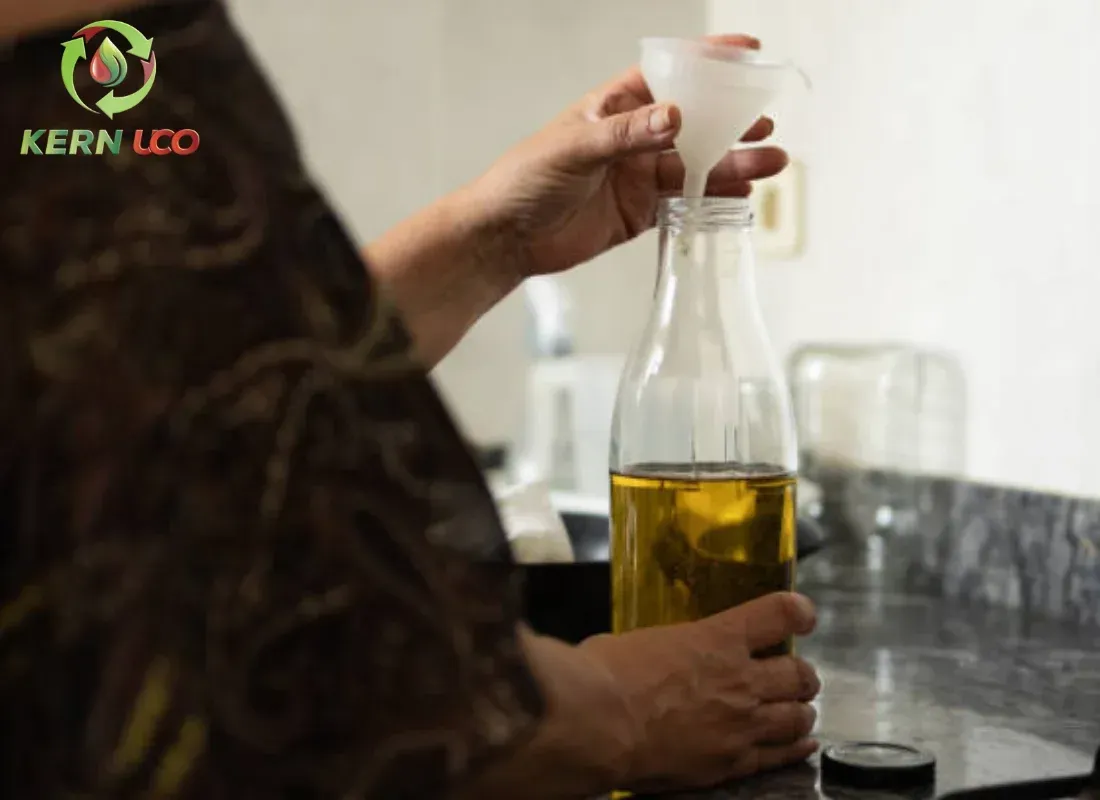
Instead of dumping waste oil into drains or landfills, recycling companies collect and process it into reusable products such as biodiesel fuel, industrial lubricants, and renewable energy materials.
Recycling waste oil not only protects the environment but also improves operational efficiency inside commercial kitchens.
The Growing Need for Sustainable Restaurant Operations
Today’s customers care about sustainability more than ever before. Many consumers actively support restaurants that demonstrate environmentally responsible practices.
As a result, restaurants are increasingly adopting stronger restaurant sustainability practices to reduce waste and improve efficiency.
These practices often include:
Recycling used cooking oil
Reducing food waste
Energy-efficient kitchen equipment
Eco-friendly packaging
Water conservation
Proper grease disposal systems
Routine kitchen maintenance
Restaurants that embrace sustainability often build stronger customer trust while lowering operational costs over time.
Businesses looking for broader sustainability insights in waste oil recycling can also explore industry resources available through Start Green Commodities, which highlights environmentally responsible recycling and renewable energy solutions.
What Happens When Restaurants Dispose of Oil Improperly?
Improper oil disposal creates more problems than many restaurant owners realize.
Pouring grease down drains or storing waste oil incorrectly can cause severe damage to plumbing systems and local sewer infrastructure.
Drain Clogs and Plumbing Damage
Oil solidifies over time and sticks to pipes. Eventually, this buildup causes severe blockages that require expensive repairs.
Sewer System Problems
Improper grease disposal contributes to municipal sewer overflows, which can result in fines and environmental penalties.
Fire Risks
Improperly stored oil increases the risk of kitchen fires and workplace hazards.
Pest Infestations
Grease buildup attracts insects and rodents, creating sanitation concerns.
Environmental Pollution
Waste oil contaminates water systems and damages ecosystems when disposed of irresponsibly.
Professional restaurant grease recycling services help prevent these problems while supporting cleaner and safer restaurant operations.
Understanding Restaurant Grease Recycling
Many restaurant owners think waste oil simply gets thrown away. In reality, recycled cooking oil has significant value.
Professional recycling companies collect used oil and transport it to processing facilities where contaminants are removed. The cleaned oil is then converted into reusable materials such as:
Biodiesel fuel
Renewable energy products
Animal feed additives
Industrial lubricants
Agricultural materials
This process reduces landfill waste while helping support cleaner energy alternatives.
Restaurants that participate in used cooking oil recycling contribute to a circular economy that benefits both businesses and the environment.
How Professional Oil Recycling Services Work
Reliable oil recycling companies simplify waste management for restaurants.
Most professional providers offer:
Scheduled Oil Collection
Oil is picked up regularly in accordance with the volume used by the restaurant.
Secure Storage Containers
Leak-resistant containers reduce spills and improve safety.
Safe Transportation
Collected oil is transported according to environmental regulations.
Recycling and Processing
Waste oil is refined and repurposed into sustainable products.
Compliance Assistance
Many companies provide documentation to help restaurants meet environmental requirements.
Some providers also offer additional maintenance services like Grease Trap Cleaning and drain management.
Key Benefits of Used Cooking Oil Recycling
Choosing a reliable recycling company offers several major advantages for restaurants.
Improved Kitchen Cleanliness
Professional oil collection keeps storage areas cleaner and reduces odors.
Reduced Plumbing Costs
Routine grease management prevents severe drain blockages and plumbing repairs.
Better Safety Standards
Safe oil storage minimizes slip-and-fall risks and fire hazards.
Regulatory Compliance
Proper disposal helps restaurants meet local environmental regulations.
Enhanced Sustainability
Eco-friendly recycling practices support long-term environmental goals.
Stronger Brand Reputation
Customers increasingly appreciate businesses that prioritize sustainability.
Restaurants that actively promote green practices often stand out in competitive markets.

How to Choose the Best Oil Recycling Near Me
Searching for “oil recycling near me” can produce many options, but not all recycling companies provide the same quality of service.
Here’s what restaurants should look for when selecting a provider.
Industry Experience
Choose a company that specializes in restaurant waste management.
Commercial kitchens have unique grease disposal needs that require industry expertise.
Reliable Pickup Scheduling
Missed pickups can quickly create sanitation and safety problems.
Look for providers with dependable scheduling systems.
Proper Equipment
Professional-grade containers reduce spills, odors, and contamination risks.
Responsive Customer Service
Fast support matters when emergencies occur.
Environmental Commitment
Ask how the company processes recycled oil and whether they follow sustainable disposal practices.
Additional Services
Many restaurants benefit from bundled maintenance solutions such as:
Grease Trap Cleaning
Drain maintenance
Oil tank cleaning
Emergency spill response
Integrated services simplify kitchen maintenance management.
Why Grease Trap Cleaning Is Essential
Oil recycling alone is not enough to maintain a healthy commercial kitchen.
Grease traps play a critical role in preventing fats, oils, and grease from entering sewer systems.
Over time, grease traps fill with waste buildup and require professional cleaning.
Without regular Grease Trap Cleaning, restaurants may experience:
Drain backups
Foul odors
Slow drainage
Health code violations
Expensive plumbing repairs
Routine grease trap maintenance protects kitchen operations while reducing environmental risks.
Combining grease trap service with professional oil recycling creates a more complete waste management system.
Warning Signs Your Current Oil Disposal Service Is Failing
Not every recycling company delivers reliable service.
Here are common signs your current provider may not be meeting your restaurant’s needs.
Overflowing Oil Containers
Missed pickups create sanitation and safety concerns.
Oil Spills Around Storage Areas
Dirty collection zones indicate poor handling practices.
Poor Communication
Delayed customer support can create operational headaches during emergencies.
Hidden Fees
Unexpected charges often signal unprofessional service.
Lack of Sustainability Transparency
Reliable companies should clearly explain how collected oil gets recycled.
If your provider consistently creates these problems, it may be time to switch services.
Questions Restaurants Should Ask Before Hiring a Recycling Company
Before choosing an oil recycling provider, ask these important questions.
How Frequently Are Pickups Scheduled?
Pickup schedules should match your restaurant’s oil production levels.
Do You Offer Emergency Service?
Unexpected overflow situations require quick support.
Are Storage Containers Included?
Secure containers improve kitchen safety and organization.
What Happens to the Recycled Oil?
Choose companies committed to environmentally responsible recycling.
Do You Provide Grease Trap Cleaning?
Bundled maintenance services simplify operations.
Are There Additional Fees?
Review pricing structures carefully before signing contracts.
These questions help restaurants choose dependable long-term partners.
How Used Cooking Oil Becomes Biodiesel
One of the most valuable outcomes of used cooking oil recycling is biodiesel production.
After collection and processing, waste oil undergoes refining and chemical treatment to create renewable biodiesel fuel.
Biodiesel helps reduce dependence on fossil fuels while lowering greenhouse gas emissions.
Restaurants interested in understanding this process further can explore this detailed resource on how used cooking oil becomes biodiesel.
This recycling process transforms restaurant waste into a renewable energy source that supports cleaner environmental practices worldwide.
Restaurant Sustainability Practices That Actually Work
Sustainability efforts don’t have to be complicated.
Simple operational improvements can make a significant difference.
Recycle Cooking Oil Consistently
Professional collection services reduce environmental impact and improve safety.
Schedule Regular Grease Trap Cleaning
Prevent plumbing emergencies and sewer issues.
Train Employees Properly
Staff education improves waste management consistency.
Upgrade Kitchen Equipment
Energy-efficient appliances reduce utility costs.
Reduce Food Waste
Inventory tracking minimizes unnecessary disposal.
Use Eco-Friendly Packaging
Sustainable packaging strengthens customer trust.
Restaurants that implement practical restaurant sustainability practices often experience long-term operational benefits.
Why Local Oil Recycling Services Matter
Choosing a local recycling provider offers several advantages for restaurants.
Faster Response Times
Nearby companies can often handle emergencies more quickly.
Flexible Scheduling
Local providers may offer more customized collection schedules.
Better Customer Relationships
Smaller regional companies often provide more personalized support.
Knowledge of Local Regulations
Local expertise helps restaurants remain compliant with environmental requirements.
Searching for dependable “oil recycling near me” helps restaurants find providers capable of delivering reliable and responsive service.
How Reliable Oil Recycling Saves Restaurants Money
Many restaurant owners focus only on disposal costs without considering the long-term financial benefits of proper grease management.
Reliable oil recycling helps reduce expenses by preventing:
Major plumbing repairs
Emergency drain cleaning
Sewer backups
Health inspection penalties
Slip-and-fall incidents
Fire hazards
Routine recycling and Grease Trap Cleaning also extend the lifespan of kitchen plumbing systems.
Over time, preventative maintenance costs far less than emergency repairs.
The Future of Sustainable Restaurant Waste Management
The restaurant industry continues moving toward more sustainable operational models.
Future trends in commercial kitchen waste management include:
Smart oil monitoring systems
Automated grease management technology
Increased biodiesel production
Stricter environmental regulations
Greater consumer demand for eco-conscious businesses
Restaurants that invest in sustainable systems today will be better positioned for long-term success tomorrow.
Why Kernuco Supports Smarter Oil Recycling Solutions
Restaurants need dependable waste management partners that understand the demands of commercial kitchens.
Kernuco supports restaurants with solutions designed to improve operational efficiency, reduce environmental impact, and simplify oil disposal processes.
By prioritizing responsible recycling, reliable service, and sustainability-focused practices, Kernuco helps restaurants maintain cleaner, safer, and more compliant kitchen environments.
Businesses that invest in professional grease management and recycling services are better equipped to reduce operational risks while supporting long-term sustainability goals.
Final Thoughts
Reliable used cooking oil recycling is one of the smartest investments a restaurant can make.
From preventing plumbing problems to supporting renewable energy production, proper oil disposal creates operational, financial, and environmental benefits for commercial kitchens of all sizes.
When searching for dependable oil recycling services, restaurants should focus on:
Reliability
Sustainability
Industry experience
Responsive support
Proper safety standards
Additional services like Grease Trap Cleaning
Restaurants that prioritize responsible waste management not only protect their operations but also strengthen their reputation among environmentally conscious customers.