How Many Times Can You Reuse Fryer Oil Before Recycling?
Introduction:
Running a busy restaurant kitchen involves juggling countless details from food prep and service to safety and cleanliness. One of the most overlooked yet crucial aspects of kitchen management is handling cooking oil. Proper maintenance of fryer oil not only ensures better-tasting food but also has a significant impact on safety, operational costs, and sustainability.
Many restaurant owners and kitchen managers often ask: “How many times can you reuse fryer oil before recycling?” Understanding this is essential for efficient kitchen operations and responsible waste management.
In this guide, we’ll break down the science of fryer oil reuse, signs your oil needs replacement, how professional waste cooking oil collection service works, and why Restaurant Cooking Oil Recycling is an important part of a modern, sustainable restaurant operation. We’ll also provide tips on maximizing oil life while protecting your kitchen and the environment.
Why Reusing Fryer Oil Matters
Fryer oil is expensive, and replacing it too frequently can hurt your bottom line. However, using oil beyond its optimal life cycle can have serious consequences:
Food Quality Declines
Oil breaks down with heat, creating off-flavors, darker coloring, and greasy textures in fried foods. Customers notice, and repeated use can damage your restaurant’s reputation.Health and Safety Concerns
Degraded oil produces free radicals and trans fats, which are harmful to health. It also increases smoke, odor, and the risk of fires in the kitchen.Equipment Damage
Old oil can leave residues that clog fryers, strain filters, and reduce the lifespan of equipment.Waste and Environmental Impact
Improper disposal contributes to pollution and sewer blockages. That’s why connecting with a professional waste cooking oil collection service ensures your oil is recycled responsibly.
Balancing reuse and timely disposal is key to maximizing both efficiency and sustainability.
How Many Times Can Fryer Oil Be Reused?
Reuse of oil can be done a number of times depending on various factors:
1. Type of Oil
Vegetable oils: Can often be reused 3–4 times.
Peanut oil: Slightly more heat-stable; may last 4–5 uses.
Canola oil: Moderate heat stability; 3–4 uses typical.
Blended frying oils: Often designed for high-heat stability; 4–5 uses possible.
Different oils have different smoke points and oxidation properties, which directly impact reuse frequency.
2. Type of Food Being Fried
Oil used for battered foods or heavily breaded items degrades faster than oil used for frying cleaner foods like potato chips or vegetables. Particles and breading fragments accelerate oxidation and reduce oil life.
3. Fryer Temperature Management
Maintaining consistent temperatures around 350–375°F (175–190°C) extends oil life. Overheating accelerates degradation and smoke production.
4. Filtration Practices
Filtering oil daily removes food particles, extending oil usability. Skipping filtration drastically reduces reuse cycles.
5. Oil Storage Between Uses
Store oil in a cool, dark place between frying sessions. Exposure to air, moisture, and light accelerates oxidation.
General Guideline:
Most commercial kitchens can safely reuse fryer oil 3–6 times before it becomes necessary to replace it. However, visual inspection, odor, taste, and smoke are better indicators than a fixed number of uses.
Signs Your Fryer Oil Needs to Be Replaced
Even if your oil hasn’t reached the general reuse limit, some signs indicate it’s time for recycling:
Dark Color
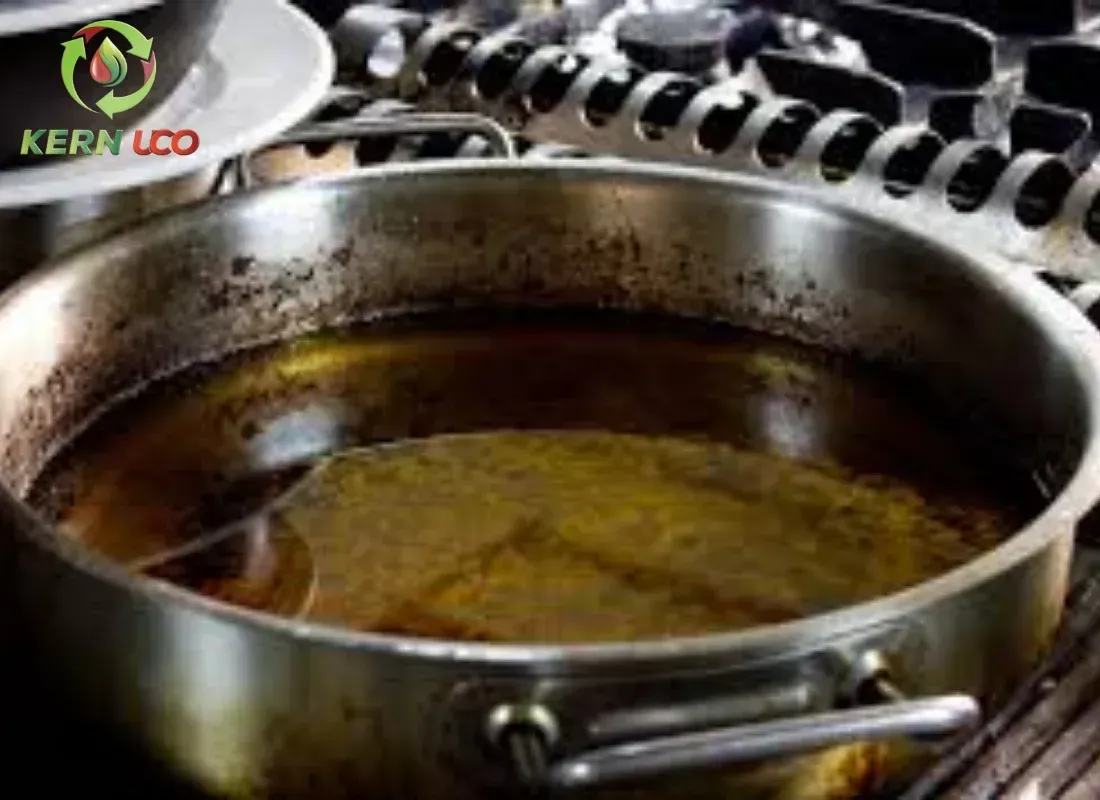
Fresh oil is light and golden; old oil turns dark brown or black.Off Odor
Rancid or burnt smells mean the oil has broken down chemically.Excessive Foaming
Foamy oil is a sign of degradation or contamination.Smoke at Lower Temperatures
If oil smokes before reaching the normal frying temperature, it’s past its prime.Altered Taste of Food
If fried food tastes bitter, oily, or off, the oil should be replaced.
When these signs appear, it’s time to remove the oil and connect with a waste cooking oil collection service.
The Role of Professional Oil Recycling in Restaurants
Many restaurants are now realizing the benefits of Restaurant Cooking Oil Recycling. Beyond simply disposing of used oil, professional recycling ensures oil becomes a valuable resource rather than environmental waste.
Benefits of Using a Waste Cooking Oil Collection Service
Safe, Legal Disposal: Avoid fines and compliance issues by using certified collection services.
Environmental Responsibility: Collected oil is converted into biodiesel and renewable energy, reducing greenhouse gas emissions.
Cleaner Kitchen Operations: Recycled oil means less risk of spills, clogs, and odors.
Operational Efficiency: Scheduled pickups ensure you never run out of disposal options.
Oil management is easy with professional companies, which offer safe storage facilities, scheduled pickups, and documentation of the same.
How Oil Recycling Works
Collection
Providers deliver safe, sealed containers for used fryer oil. The restaurant fills the container, and the company schedules regular pickups.Transport
The used oil is transported in specialized, leak-proof vehicles to processing facilities.Processing
Oil undergoes filtration, cleaning, and conversion into renewable products such as biodiesel, renewable diesel, and industrial lubricants.Reuse in Sustainable Industries
Recycled oil contributes to transportation, manufacturing, and energy sectors, supporting circular economy initiatives.
Restaurants that invest in proper oil recycling not only protect the environment but also align with restaurant sustainability practices that modern consumers value.
Tips to Extend Fryer Oil Life
While recycling is essential, extending oil life reduces costs and waste. Here’s how:
1. Filter Daily
Filtering removes food particles that accelerate oil degradation.
2. Maintain Correct Temperature
Avoid overheating, as it leads to oxidation and rancidity.
3. Use the Right Oil
Choose oils with high smoke points suitable for your menu items.
4. Minimize Water Contact
Moisture from wet foods or cleaning can accelerate spoilage.
5. Mix Oil Wisely
Avoid mixing fresh oil with very old oil; consistency matters for flavor and stability.
Finding “Oil Recycling Near Me”
Many restaurants search “oil recycling near me” to find local providers that offer secure, efficient, and eco-friendly collection services. Selecting a reputable company ensures:
Timely pickups
Safe container management
Compliance with environmental regulations
Conversion of waste into renewable energy
Partnering with companies like Start Green Commodities guarantees that your used oil is responsibly processed into biodiesel and other sustainable products.
➡️ Learn more about oil recycling and sustainability practices with Start Green Commodities (external link naturally included).
Resources for Efficient Oil Management
For additional guidance on managing kitchen waste and grease effectively, check out the in-depth resources available at Kernuco:
👉 Kernuco.com
Their insights cover everything from fryer oil management to grease trap cleaning, helping restaurants operate cleaner, safer, and more sustainably.
The Environmental Impact of Proper Fryer Oil Recycling
Recycling used cooking oil is a simple but powerful way to reduce a restaurant’s environmental footprint:
Reduces landfill waste
Prevents waterway contamination
Supports production of cleaner fuels
Lowers greenhouse gas emissions
Contributes to a circular economy
By integrating Restaurant Cooking Oil Recycling into your kitchen routine, you are not just disposing of waste you are contributing to a cleaner, sustainable future.
Final Thoughts: Smart Oil Management for Restaurants
Knowing how many times you can reuse fryer oil is only part of the equation. The real key to sustainability, cost-efficiency, and operational safety is combining proper oil maintenance with professional waste cooking oil collection service.
Monitor oil health through color, odor, smoke, and taste
Filter and store oil correctly
Replace oil at the right time
Partner with certified recycling services to transform waste into renewable energy
With the right approach, your restaurant can maximize fryer oil life, reduce costs, maintain high food quality, and contribute to global sustainability initiatives.
Investing in responsible oil recycling isn’t just good for the planet it’s good for your business, your staff, and your customers.