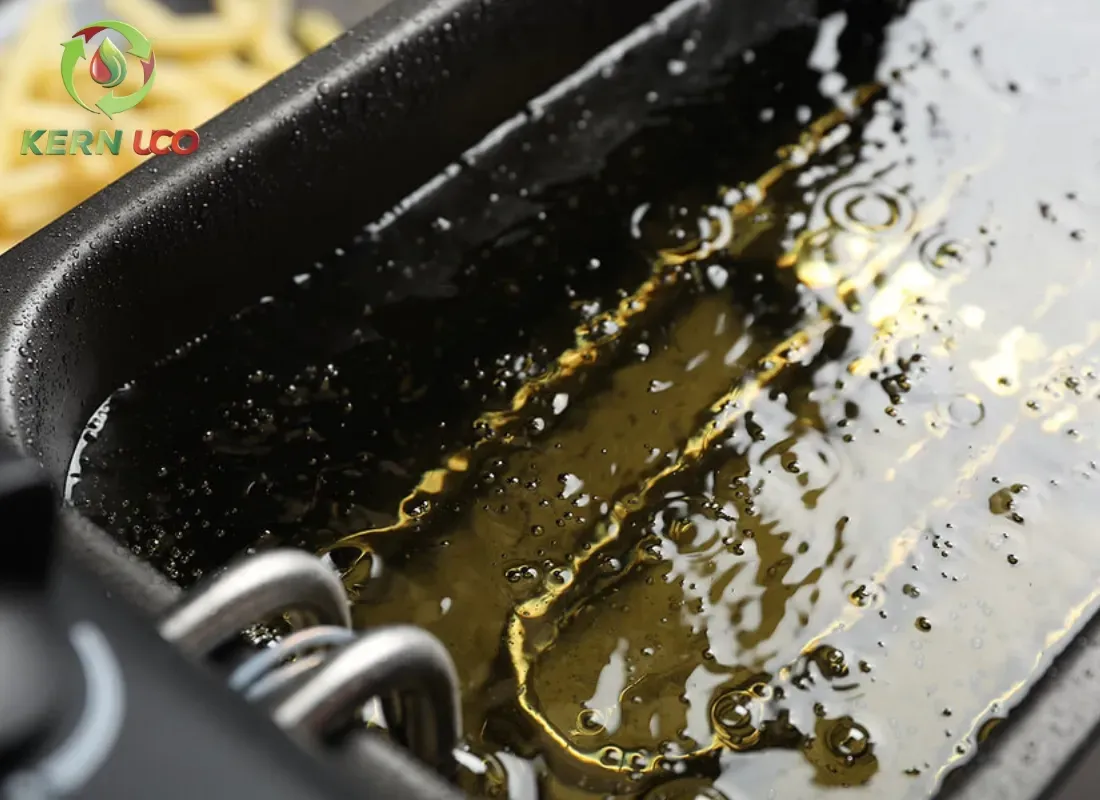
Used Fryer Oil Disposal: Best Practices for Safe Restaurant Operations
Table of Contents
Introduction: Why Safe Oil Disposal Matters
Understanding the Risks of Improper Fryer Oil Disposal
What Is Used Cooking Oil Recycling?
Why Grease Waste Management Is Essential for Restaurants
Step-by-Step Best Practices for Used Fryer Oil Disposal
How Restaurant Oil Recycling Improves Safety and Efficiency
Common Mistakes Restaurants Make With Used Oil
The Link Between Oil Disposal and Grease Trap Performance
Environmental Benefits of Responsible Oil Recycling
Choosing the Right Collection Partner
Final Takeaway
Introduction: Why Safe Oil Disposal Matters
Every restaurant that relies on fryers faces the same challenge: what to do with gallons of used cooking oil after it has reached the end of its useful life. While it may seem like a routine back-of-house task, used fryer oil disposal has a direct impact on kitchen safety, operating costs, environmental compliance, and overall efficiency.
Handled properly, used oil can become a valuable resource through used cooking oil recycling. Managed poorly, it can lead to clogged drains, slip hazards, fire risks, and expensive plumbing repairs.
This is why modern restaurants are paying closer attention to grease waste management and restaurant oil recycling. These systems help kitchens stay cleaner, safer, and more profitable while supporting sustainability goals.
In this guide, we will walk through the best practices every restaurant should follow to dispose of fryer oil safely and responsibly.
Understanding the Risks of Improper Fryer Oil Disposal
Used fryer oil may look harmless, but mishandling it creates serious operational risks.
Slip-and-Fall Hazards
Spilled oil makes kitchen floors dangerously slippery.
Burns and Injuries
Hot oil can cause severe injuries if transferred improperly.
Plumbing Blockages
Oil poured into drains hardens and traps food debris.
Pest Problems
Leaking containers attract rodents and insects.
Fire Hazards
Oil-soaked areas and improper storage increase fire risk.
Environmental Violations
Illegal dumping can contaminate waterways and result in fines.
Safe disposal procedures are essential for protecting both staff and infrastructure.
What Is Used Cooking Oil Recycling?
Used cooking oil recycling is the process of collecting spent fryer oil and converting it into valuable products such as:
Biodiesel fuel
Renewable diesel
Industrial lubricants
Soap and cleaning products
This process turns what would otherwise be waste into a renewable resource.
Organizations such as Start Green Commodities support the broader market for recycled oils, helping transform restaurant waste into cleaner energy solutions.
For restaurants, recycling is a practical way to improve sustainability while reducing disposal headaches.
Why Grease Waste Management Is Essential for Restaurants
Grease waste management is the organized handling of fats, oils, and grease (FOG) generated in commercial kitchens.
A strong grease management program helps restaurants:
Reduce plumbing problems
Improve kitchen hygiene
Maintain compliance
Protect staff safety
Lower maintenance costs
Rather than reacting to emergencies, restaurants can prevent issues before they happen.
This proactive approach is especially valuable for busy kitchens where operational disruptions can quickly affect service and profitability.

Step-by-Step Best Practices for Used Fryer Oil Disposal
1. Allow Oil to Cool Safely
Never move oil immediately after cooking. Let it cool to a safe handling temperature.
2. Use Proper Transfer Equipment
Use designated pumps, carts, or secure containers to reduce spills and injuries.
3. Store Oil in Sealed Containers
Leak-proof containers keep oil contained and protect it from contamination.
4. Keep Water Out
Water reduces recycling quality and can create dangerous splashing.
5. Schedule Regular Pickups
Avoid overflow by partnering with a professional collection service.
6. Train All Kitchen Staff
Consistent procedures help prevent accidents and costly mistakes.
7. Maintain Clean Storage Areas
Inspect containers and surrounding areas regularly for leaks or buildup.
How Restaurant Oil Recycling Improves Safety and Efficiency
Restaurant oil recycling does much more than remove waste.
It also helps:
Reduce manual handling
Minimize slip hazards
Free up staff time
Improve kitchen organization
Lower emergency repair costs
When oil is collected on a predictable schedule, restaurants gain a smoother and more reliable operation.
Common Mistakes Restaurants Make With Used Oil
Even experienced operators sometimes overlook basic practices.
Pouring Oil Down the Drain
This is one of the most expensive and damaging mistakes.
Overfilling Containers
Overflow creates messes and safety risks.
Mixing Oil With Other Waste
Contamination reduces recycling value.
Delaying Pickups
Stored oil can become difficult to manage if pickups are too infrequent.
Inadequate Staff Training
Without clear procedures, accidents are more likely.
Avoiding these mistakes leads to safer and more efficient kitchens.
The Link Between Oil Disposal and Grease Trap Performance
Used fryer oil disposal and grease trap systems are closely connected.
When large volumes of oil are diverted to recycling:
Grease traps fill more slowly
Odors are reduced
Cleaning frequency decreases
Plumbing systems perform better
Restaurants that integrate oil recycling into their grease management programs often experience lower maintenance costs and fewer emergencies.
For additional guidance, see this helpful resource on grease trap cleaning and used cooking oil collection.
Environmental Benefits of Responsible Oil Recycling
Proper used cooking oil recycling offers significant environmental advantages.
Restaurants that recycle fryer oil help:
Reduce landfill waste
Lower greenhouse gas emissions
Support renewable fuel production
Protect local water systems
These efforts also resonate with customers who increasingly prefer businesses that operate responsibly.
Sustainability is no longer just a trend it is a meaningful competitive advantage.
Choosing the Right Collection Partner
A reliable oil recycling company should offer:
Secure storage equipment
Flexible pickup schedules
Transparent communication
Compliance documentation
Responsive customer support
The best partners make disposal simple and help restaurants maximize the operational and environmental value of their used oil.
Final Takeaway
Safe used fryer oil disposal is one of the most important yet often overlooked parts of restaurant operations.
By implementing strong grease waste management practices and participating in used cooking oil recycling, restaurants can reduce safety risks, lower maintenance costs, and support renewable energy production.
Effective restaurant oil recycling transforms a messy byproduct into a valuable resource while creating cleaner, safer, and more efficient kitchens.
For restaurant owners focused on long-term success, proper oil disposal is not just about compliance is a smart investment in operational excellence and sustainability.