The Smart Restaurant’s Guide to Efficient Oil Waste Management
Introduction:
In the fast-paced world of commercial kitchens, efficiency is everything. Chefs obsess over ticket times, managers track inventory down to the last ounce, and owners watch profit margins like hawks. Yet, there is a silent profit killer and a major regulatory headache lurking right in your fryers: used cooking oil.
Improper handling of kitchen grease isn’t just a messy chore; it’s a financial drain and a compliance nightmare. From clogged plumbing and municipal fines to foul odors that drive customers away, poor oil management carries a heavy price tag.
On the flip side, smart kitchens view this not as a waste problem, but as a resource management opportunity. By implementing a modern system for oil waste management, your restaurant can cut labor costs, protect the environment, and even turn a waste product into a predictable revenue stream.
Here is your comprehensive, ultimate guide to mastering restaurant oil disposal and maximizing the value of your kitchen’s liquid gold.
The True Cost of Poor Oil Management
Before diving into solutions, we need to understand what is at stake. Many restaurant operators treat oil disposal as an afterthought, delegating it to the least experienced kitchen staff with minimal training. This approach is a recipe for disaster.
1. FOG Plumbing Catastrophes
FOG stands for Fats, Oils, and Grease. When poured down the drain, hot oil cools, solidifies, and coats the interior of your pipes. Over time, this creates massive blockages known as "fatbergs." A backup in a commercial kitchen can force you to shut down operations for days, resulting in thousands of dollars in lost revenue and emergency plumbing bills.
2. Regulatory Fines and Legal Trouble
Municipalities take sewer health very seriously. Cities enforce strict ordinances regarding grease traps and kitchen waste. If your establishment is found to be discharging oil into the public wastewater system, you could face massive compliance fines, mandatory closures, or the revocation of your operating license.
3. Workplace Safety Hazards
Carrying heavy, sloshing pots of 350°F oil to an outdoor dumpster is arguably the most dangerous task in a kitchen. Slips, trips, and severe burns are incredibly common during manual oil transfers. High worker compensation claims and low staff morale are directly tied to these outdated practices.
4. Environmental Degradation
When used cooking oil ends up in landfills or storm drains, it wreaks havoc on local ecosystems. It coats the wings of wildlife, suffocates aquatic life by depleting oxygen levels in water, and contaminates soil.
Understanding the Oil Lifecycle in a Commercial Kitchen
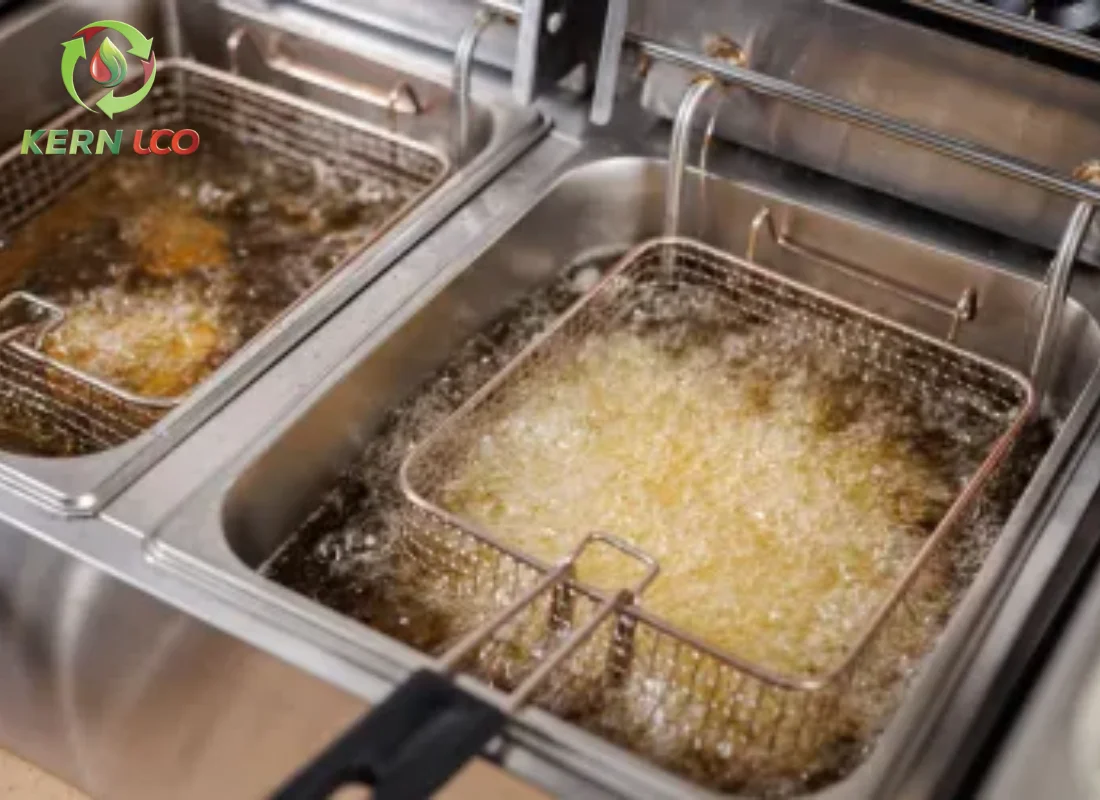
To optimize your oil usage and disposal, you must view oil through a lifecycle framework. Efficient management spans four key phases:
Phase 1: Procurement and Storage
Efficiency starts before the oil ever hits the fryer. Invest in high-quality oils with high smoke points (like high-oleic canola, peanut, or soybean oil) that resist breaking down quickly. Store your fresh oil supply in a cool, dry place away from direct sunlight to prevent premature oxidation.
Phase 2: Extending the Life of Your Oil
The longer your oil stays clean, the less waste you generate, and the less money you spend on fresh inventory.
Daily Filtration: Skim the surface for food particles throughout the day and run the oil through a mechanical filtration system at least once a day.
Temperature Control: Avoid overheating your fryers during slow hours. Drop the temperature to a "holding mode" when not in use.
Salt Management: Shake excess salt off fried foods before they go into the fryer. Salt is a catalyst that rapidly breaks down oil molecular structures.
Phase 3: Safe Collection and Containment
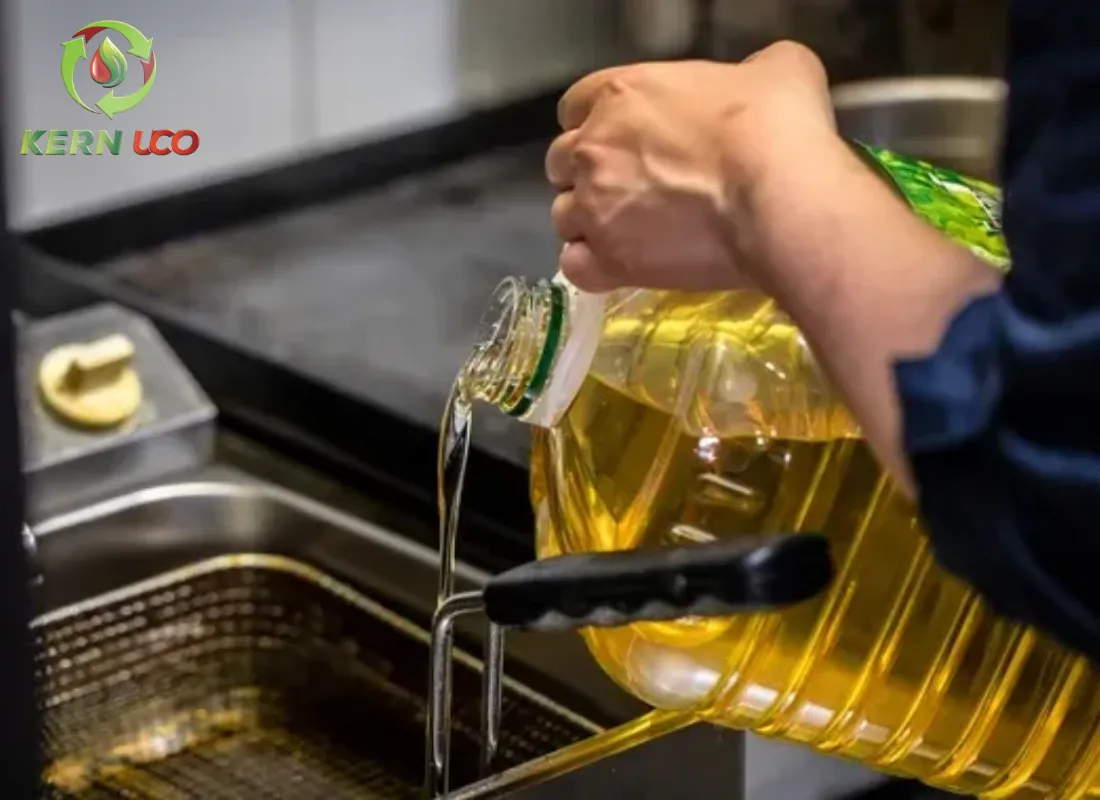
Eventually, oil reaches the end of its culinary life. When it turns dark, begins to smoke at lower temperatures, or imparts an off-flavor to food, it’s time for a change. It must then be safely transferred to a dedicated storage tank without spills.
Phase 4: Used Cooking Oil Recycling
This is where the magic happens. Instead of paying to throw this waste away, smart restaurants partner with certified collectors who transport the grease to processing plants, transforming it into clean-burning biodiesel, advanced biofuels, and industrial lubricants.
Best Practices for Restaurant Oil Disposal
If your kitchen staff is still lifting heavy buckets of grease and walking them out to a rusty drum in the back alley, it’s time for an upgrade. Implement these best practices to streamline your restaurant oil disposal protocol.
1. Invest in the Right Equipment
Depending on your kitchen's volume, you should consider transitioning from manual disposal to semi-automated or fully automated systems.
Manual Shortening Shuttles: If you must transport oil manually, use a sealed, wheeled caddy designed specifically for hot oil. Never use open plastic buckets.
Direct-Connect Systems: The gold standard for modern kitchens. With the flip of a switch, old oil is pumped directly from the fryer vat into a secure, indoor storage tank via internal plumbing. No lifting, no spills, no burns.
2. Optimize Indoor vs. Outdoor Storage
Outdoor grease bins are frequent targets for "grease thieves" who steal used oil to sell it illegally. They also attract pests, create foul odors, and can leak into storm drains during heavy rains. Whenever possible, utilize secure indoor storage tanks. If you must use an outdoor bin, ensure it is heavy-duty, lockable, and placed in a well-lit area monitored by security cameras.
3. Implement Strict SOPs (Standard Operating Procedures)
Equipment is only as good as the people operating it. Create clear, bilingual laminated posters near the dish pit and fry stations detailing exactly how to handle oil.
Pro-Tip: Include a strict "No Oil Down the Drain" policy. Even scraping plates with residual grease into the trash instead of rinsing them into the sink makes a significant difference in grease trap health.
The Cornerstone of Sustainability: Used Cooking Oil Recycling
The modern consumer values sustainability. Diners want to support restaurants that demonstrate eco-conscious values. Embracing used cooking oil recycling is one of the easiest, most impactful ways to shrink your restaurant's carbon footprint while bolstering your bottom line.
How the Recycling Process Works
When a certified collector pumps out your holding tank, that oil begins a highly beneficial circular-economy journey:
By participating in this cycle, your restaurant directly contributes to reducing global carbon emissions. It’s a powerful story you can share in your marketing materials to attract eco-conscious diners.
How to Choose the Right Oil Management Partner
You shouldn’t handle waste oil alone. Partnering with a professional management company ensures safety, compliance, and financial returns. However, not all providers are created equal. When vetting a partner, look for the following criteria:
Reliable, Data-Driven Scheduling
The last thing you want is a full grease tank during a busy Friday night rush. Look for a provider that uses smart monitoring technology. They should install digital sensors on your tanks that alert them automatically when the tank hits 80% capacity, triggering a pickup before an overflow occurs. For an in-depth breakdown of how these automated collection ecosystems operate seamlessly behind the scenes, read this detailed breakdown on how used cooking oil collection works.
Transparent Rebate Structures
Your used cooking oil has market value. A reputable collector will offer a rebate program based on the current market price of yellow grease. They should provide transparent statements showing exactly how many gallons were collected and the current market rate applied to your payout or service credit.
Uncompromising Compliance and Documentation
If local code enforcement visits your restaurant, you must prove your waste is being disposed of legally. Your partner must be fully licensed, bonded, and insured. They should provide manifest logs and digital documentation for every single pickup, protecting you from potential liability. For comprehensive commercial grease trap maintenance and reliable oil services, partnering with trusted regional experts like Northwest Grease Service ensures your kitchen remains fully compliant with local environmental laws while preventing costly backup emergencies.
Comprehensive Services
Managing a kitchen is complex enough without juggling five different utility vendors. The best partners offer end-to-end solutions: they provide the storage equipment, manage the oil collection, handle regular grease trap pumping, and perform preventative hydro-jetting lines cleanings.
Grease Trap Maintenance: The Invisible Hero of Oil Management
You cannot talk about oil waste management without discussing grease traps (or grease interceptors). Even with perfect oil disposal habits, small amounts of grease will inevitably make their way down your kitchen sinks during dishwashing.
A grease trap acts as a filtration barrier, slowing down wastewater long enough for the lighter fats, oils, and grease to float to the top and solids to sink to the bottom, allowing clean water to safely exit into the municipal sewer line.
The 1/4th Rule of Thumb
Grease traps must be pumped out regularly to function correctly. The industry standard is the 1/4th Rule: once your grease trap is 25% full of FOG and solids, its efficiency drops dramatically, and grease begins escaping into the sewer system.
Depending on your kitchen's volume, professional grease trap pumping should be scheduled every 1 to 3 months. Skipping this maintenance will inevitably lead to foul, sulfurous odors wafting into your dining room, backup emergencies, and heavy municipal penalties.
Step-by-Step Checklist for Designing Your Kitchen's Oil Strategy
Ready to transform your restaurant's oil management from a chaotic liability into a streamlined asset? Follow this step-by-step implementation blueprint:
1. Conduct an Oil Audit
Track your current oil lifecycle for two weeks. Note how many jugs of fresh oil you purchase, how frequently vats are changed, how the oil is discarded, and whether you are receiving fair value for your waste grease.
2. Upgrade Storage and Infrastructure
Get rid of unsafe outdoor barrels. Reach out to an oil management expert to assess whether an indoor automated system or a secure, sensor-monitored holding tank fits your kitchen footprint.
3. Train Your Kitchen Team
Run a mandatory 15-minute training session for all back-of-house staff. Explain the "why" behind the new protocols focusing on worker safety, preventing floor slips, and environmental stewardship.
4. Schedule Automated Maintenance
Establish a hands-off recurring schedule with your oil recycling and grease trap pumping partner. Automate the process so your management team can focus entirely on guest satisfaction and food quality.
5. Review and Optimize Your Rebates
Treat your waste oil rebate like any other revenue stream. Monitor your monthly collection logs and track the financial returns generated by your recycling program.
Conclusion: The Smarter Bottom Line
In the modern restaurant landscape, success belongs to operators who optimize every single layer of their business. Managing your kitchen's oil is no longer just about taking out the trash it is an essential operational pillar that impacts your team's physical safety, your restaurant's regulatory compliance, your local environment, and your financial profitability.
By moving away from outdated manual methods and embracing an eco-friendly, automated approach to used cooking oil recycling, you protect your kitchen from disastrous plumbing failures, eliminate worker injuries, and tap into a consistent source of recycling revenue.
Stop letting your profits wash down the drain. Upgrade your oil waste management strategy today, run a cleaner kitchen, and build a more sustainable, highly profitable food service business for tomorrow.