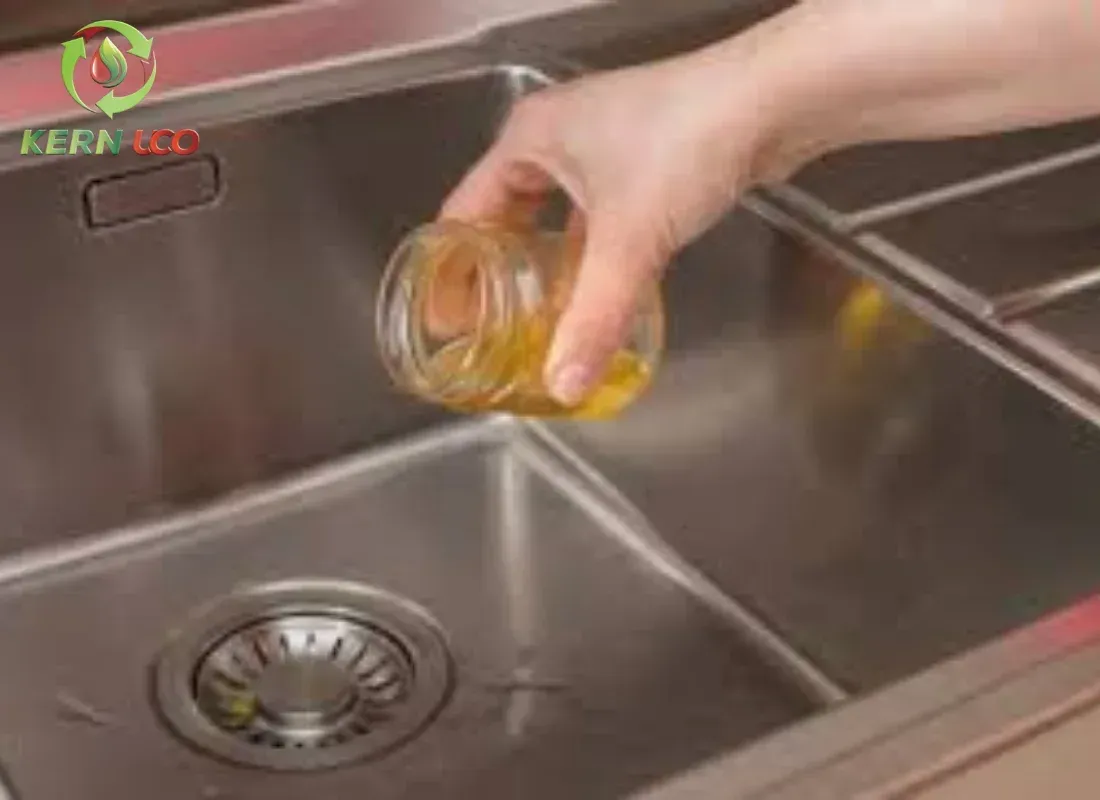
Avoiding Costly Plumbing Problems: The Hidden Risks of Poor Oil Disposal
Introduction
Every restaurant owner knows how quickly kitchen operations can go from smooth to chaotic. One clogged drain, one malfunctioning grease trap, or one unexpected plumbing emergency can bring your busy kitchen to a halt, leaving frustrated customers, stressed staff, and a repair bill that’s far higher than you expect. What many business owners don’t realize is that these expensive problems often start with one simple issue:
Poor oil disposal.
Improper handling of cooking oil is one of the biggest hidden threats to your plumbing system. Whether it’s small amounts washed down the sink or larger quantities improperly dumped, the long-term consequences can be severe. Pipes become clogged, grease traps overflow, municipal sewers back up, and health inspectors flag costly violations.
In this comprehensive, user-intent-focused guide, we’ll walk you through:
How improper restaurant oil disposal leads to plumbing disasters
The real cost of plumbing repairs and emergency shutdowns
The science behind oil-related pipe damage
Long-term clogged drain prevention techniques
Why eco-friendly oil management protects your business
How professional collection services help safeguard your kitchen
Smart, actionable steps to prevent plumbing issues
This isn’t just a maintenance issue. It’s a financial and operational decision that can protect your reputation, save thousands in repairs, and keep your kitchen running without disruptions.
Let’s dive into the hidden risks every restaurant should know.
1. Why Restaurant Oil Disposal Is More Important Than Many Owners Realize
Cooking oil is a constant in commercial kitchens. Whether you operate a fast-food chain, a café, a food truck, or a fine-dining restaurant, frying, searing, grilling, and sautéing all generate waste oil.
The problem? Oil in liquid form looks harmless. It pours easily. It disappears quickly down the drain. But what you can’t see is the chaos it creates underground.
1.1 The Liquid Lie: Why Hot Oil Turn Into a Plumbing Nightmare
When hot oil (or grease) is poured down a sink drain, it doesn’t stay liquid. As soon as it enters cooler temperatures deeper in your pipes:
It solidifies
It clings to pipe walls
It traps food particles
It forms hard, thick blockages that grow over time
This buildup becomes a stubborn, cement-like substance that can destroy your plumbing system from within.
1.2 Understanding How Poor Oil Disposal Causes Plumbing Damage
Every drop of oil, grease, or fat creates long-term structural damage. Here’s exactly how poor oil disposal causes plumbing damage:
Pipe narrowing: Oil layers shrink pipe diameter, creating slow drainage.
Blockages: Hardened grease forms complete blockages, forcing wastewater back up.
Pressure buildup: Pressure increases inside blocked pipes until they crack or leak.
Grease trap strain: Overloading traps leads to backups and hygienic hazards.
Municipal sewer impact: Fatbergs (massive grease clogs) cause city sewer issues leading to fines for contributing restaurants.
Ignoring proper oil disposal directly impacts your plumbing, operating costs, and compliance status.
2. The High Cost of Plumbing Repairs Caused by Improper Oil Handling
Some restaurant owners don’t realize how expensive plumbing issues can become until it’s too late. You might think:
“It’s just a small clog… we’ll fix it.”
But in commercial kitchens, there is no such thing as a small grease-related clog.
2.1 Typical Repair Costs for Oil-Related Damage
Here’s what restaurants usually face:
Drain cleaning: $300–$800
Grease trap overflow cleanup: $1,000–$5,000
Pipe replacement: $2,000–$20,000 depending on location
Sewer line repair: $4,000–$25,000
Health code fines: $500–$10,000
Emergency shutdown losses: Thousands per missed service
In most cases, these disasters are preventable simply by following proper restaurant oil disposal practices.
3. The Role of Grease Traps and Why They Fail When Oil Disposal Is Poor
Grease traps are designed to capture fats, oils, and grease (FOG) before they enter pipes. But they only work when maintained properly.
3.1 What Causes Grease Trap Failure?
Common causes include:
Pouring hot oil directly into the drain
Not cleaning grease traps on the recommended schedule
Overfilling oil containers that leak into plumbing
Rinsing greasy dishes without scraping
Sending small amounts of oil down sinks repeatedly
Once a trap is overloaded, the buildup bypasses the trap and flows directly into your drainage system.
3.2 Signs Your Grease Trap Is Struggling
Watch for:
Slow drainage
Bad kitchen odors
Standing water near dish areas
Gurgling sounds in pipes
Sudden kitchen plumbing backups
These are early warnings of severe damage.
4. How Poor Oil Disposal Impacts Municipal Systems (And Why Cities Fine Restaurants)
Most restaurants don’t realize that improper fats, oils, and grease disposal affects entire communities.
When FOG enters municipal sewers, it forms:
Fatbergs
Massive blockages
Citywide sewer backups
Emergency repairs costing millions
Because of this, cities increasingly hold restaurants accountable. Fines and penalties are rising, and restaurants must prove they’re following proper disposal regulations.
This is why professional oil recycling solutions have become essential not optional.
5. Protecting Your Restaurant: The Essentials of Clogged Drain Prevention
Keeping your plumbing system safe doesn’t have to be complicated just consistent.
5.1 Daily Habits for Kitchen Staff
Train your team to:
Never pour oil down any sink
Always scrape plates before washing
Dispose of oil only in approved containers
Avoid rinsing hot oil residue down drains
Keep food debris out of dishwashers
Consistency is what saves your pipes.
5.2 Equipment That Helps Prevent Clogs
Tools worth investing in:
High-capacity grease traps
Strainers for sinks
Dedicated oil storage bins
Professional-grade oil containers
Regularly scheduled trap cleanouts
These preventative steps cost far less than pipe replacements.
6. The Right Way to Handle Restaurant Oil Disposal
Proper oil disposal keeps your kitchen safe, compliant, and efficient while eliminating the risk of massive plumbing bills.
The correct process looks like this:
6.1 Step One: Collect the Oil Safely
Use:
Sealed, labeled containers
Avoid plastic bags or open buckets
Never mix oil with water or chemicals
6.2 Step Two: Store Oil Properly
Place containers:
Away from heat sources
Away from dishwashing areas
In designated disposal zones
6.3 Step Three: Use a Professional Waste Cooking Oil Collection Service
This is the most important step.
Professional collectors like Kernuco handle:
Oil pickup
Safe transport
Recycling
Documentation for compliance
It eliminates all risk of oil reaching your drainage system.
To understand why recycling matters,
7. Why Recycling Your Oil Prevents Plumbing Disasters
Recycling is not just environmentally responsible it’s structurally protective.
Here’s why:
No oil enters your pipes
Grease traps stay manageable
Foodservice staff follow consistent habits
Waste doesn’t accumulate in drainage lines
Your plumbing system remains clean and functional
This is the easiest clogged drain prevention method available.
8. Eco-Friendly Disposal: The Best Alternative to Dangerous Oil Dumping
Eco-friendly solutions serve two major purposes:
They protect your plumbing
They protect the environment
Used cooking oil can be transformed into:
Biodiesel
Renewable energy
Agricultural products
Industrial lubricants
Companies like Start Green Commodities (learn more at show how sustainable oil management contributes to cleaner, greener cities.
Your restaurant becomes part of that positive impact simply by choosing responsible disposal.
9. The Hidden Benefits of Professional Oil Collection Services
When you partner with a reliable oil collector, you gain more than just proper disposal.
9.1 Cost Savings
Reduced plumbing repairs
Lower emergency maintenance
Avoided fines
Efficient kitchen operations
9.2 Cleaner Kitchens
Less oil around sinks = less chance of accidents and contamination.
9.3 Compliance and Documentation
You stay aligned with:
Local laws
EPA guidelines
Health department requirements
9.4 Grease Trap Longevity
Clean oil habits extend the life of your traps dramatically.
9.5 Environmental Contribution
Your oil becomes renewable fuel supporting a circular economy.
10. Real Consequences Restaurants Face When Oil Is Improperly Disposed
Let’s break down real-world scenarios:
Scenario 1: Slow Drains Become Total Blockage
A restaurant ignores early signs, ultimately paying thousands for emergency pipe replacement.
Scenario 2: Grease Trap Failure During Dinner Rush
Overflow leaks into kitchen floors → shutdown → lost revenue → health department citation.
Scenario 3: Sewer Backup Affects Neighboring Businesses
The restaurant responsible is fined heavily for contributing FOG to the city sewer.
Scenario 4: Kitchen Staff Injured Due to Oil Spillage
Oil mishandling causes slips, burns, and workers’ compensation issues.
Avoiding these scenarios is incredibly easy: handle oil responsibly.
11. Why Kernuco Is the Trusted Choice for Restaurant Oil Management
Kernuco specializes in safe, compliant, and sustainable restaurant oil disposal services.
11.1 We Offer:
Scheduled pickups
Emergency services
Clean oil storage containers
Professional transportation
Eco-friendly oil recycling
Compliance documentation
11.2 Our Mission
Kernuco ensures that:
No oil enters your drainage system
Your plumbing stays protected
Your operations run smoothly
You contribute to sustainability
We treat oil disposal as a partnership not a transaction.
12. Final Thoughts: Protect Your Plumbing, Protect Your Business
Poor oil disposal is one of the most overlooked causes of expensive restaurant plumbing issues. But with the right education, habits, and partners, you can completely eliminate these risks.
Remember:
Hot oil always hardens in pipes
Small amounts down drains create big problems
Grease traps can only handle so much
Oil recycling is the safest disposal method
Professional services protect your bottom line
By prioritizing restaurant oil disposal, practicing clogged drain prevention, and understanding how poor oil disposal causes plumbing damage, you save thousands in repairs and avoid operational shutdowns.
Your plumbing system and your business will thank you.