Why Local Oil Collection Services Matter for Restaurant Efficiency
Introduction:
In the fast-paced world of food service, efficiency isn’t just about speed it’s about smart systems working behind the scenes. While chefs focus on flavors and service teams handle customers, there’s another crucial element that often goes unnoticed: grease and oil management.
For restaurants, managing waste oil effectively can make the difference between smooth daily operations and constant disruptions. That’s where local oil collection services come in. These services are not just about picking up used oil they play a vital role in improving workflow, maintaining hygiene, and supporting sustainability.
In this in-depth guide, we’ll explore why local services are essential, how used cooking oil recycling, kitchen drain maintenance, and restaurant grease waste solutions work together, and how adopting the right approach can transform your restaurant’s efficiency.
The Hidden Impact of Poor Oil Management
Before diving into solutions, it’s important to understand the problem. Many restaurants underestimate the impact of improper oil disposal.
When used oil is not handled correctly, it can lead to:
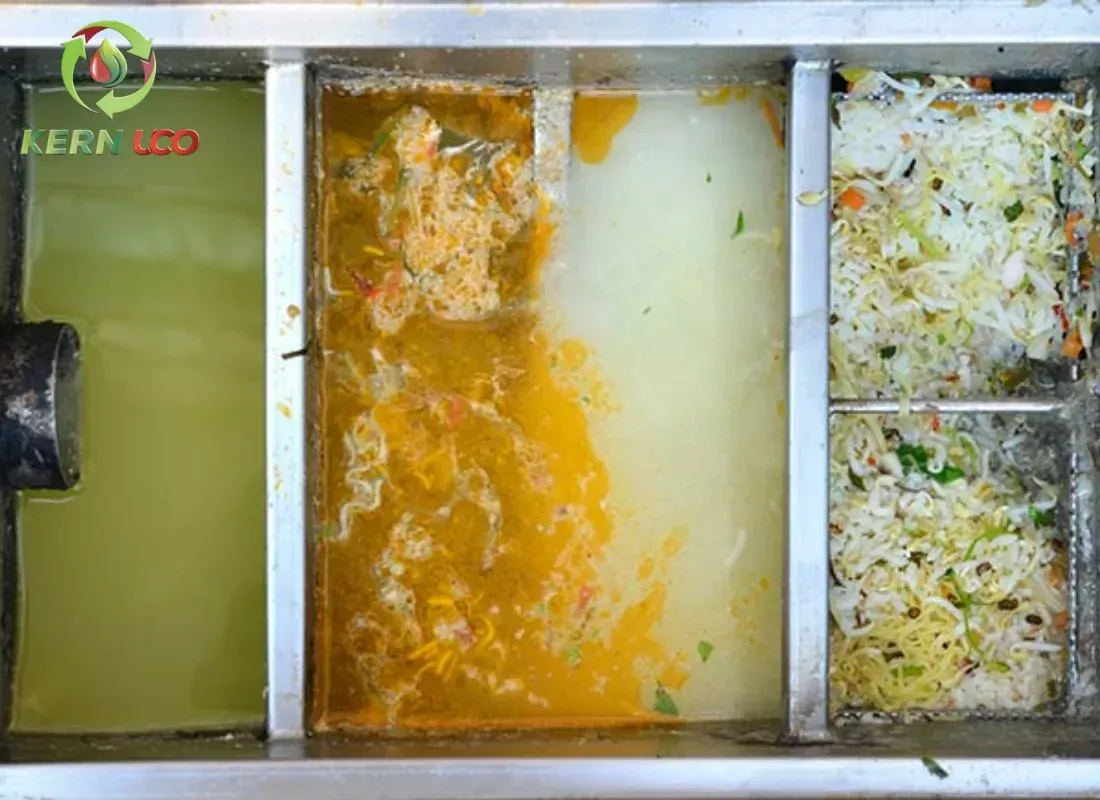
Slow or clogged drains
Increased plumbing issues
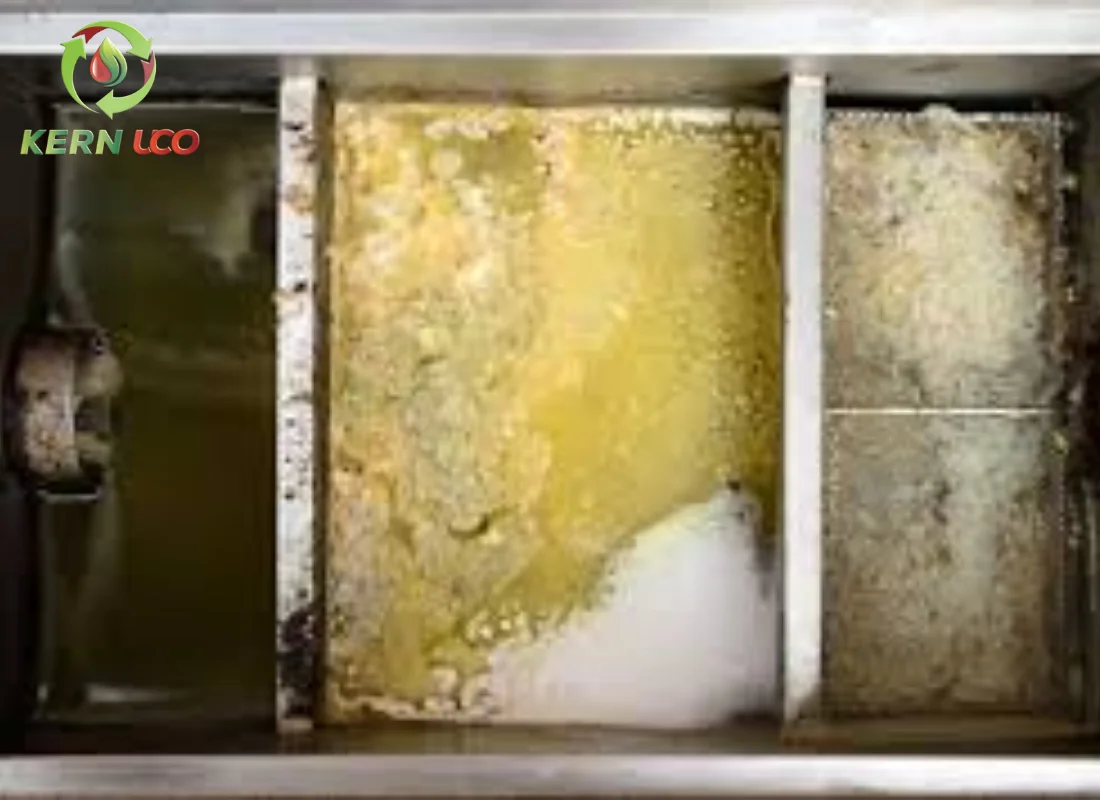
Grease trap overflows
Unpleasant kitchen odors
Health code violations
Higher maintenance costs
These issues don’t just affect cleanliness they disrupt operations, slow down staff, and reduce overall efficiency.
What Are Local Oil Collection Services?
Local oil collection services specialize in the safe pickup, transport, and recycling of used cooking oil from restaurants and commercial kitchens.
Unlike large-scale or distant providers, local services offer:
Faster response times
Flexible pickup schedules
Better understanding of regional regulations
Personalized customer support
They become an extension of your operations, ensuring your kitchen runs without interruptions.
Why Local Matters: Speed, Reliability, and Convenience
1. Faster Pickup = Less Downtime
When oil storage containers fill up, delays can cause serious disruptions. Local providers can respond quickly, preventing overflow and keeping your kitchen running smoothly.
2. Flexible Scheduling
Restaurants have unique peak hours and workflows. Local services can adapt to your schedule, ensuring pickups happen at the most convenient times.
3. Emergency Support
Unexpected issues like grease spills or blocked systems require immediate attention. Local companies are better positioned to provide quick solutions.
4. Personalized Service
Unlike large corporations, local providers often build relationships with their clients, offering tailored restaurant grease waste solutions that fit specific needs.
Used Cooking Oil Recycling: Turning Waste into Value
One of the biggest advantages of working with local collection services is access to efficient used cooking oil recycling programs.
How Recycling Works
Used oil is collected from your restaurant
It is filtered and processed
Used as products such as animal feed, biodiesel or industrial lubricants.
Why It Matters for Efficiency
Reduces waste buildup: Keeps storage areas clean
Improves workflow: Staff spend less time managing waste
Supports sustainability goals: Enhances brand reputation
May generate revenue: Some providers offer compensation for oil
The Connection Between Oil Collection and Kitchen Drain Maintenance
Oil does not remain in fryers, it may end up in drains. Without proper systems, this leads to buildup that affects performance.
Why Kitchen Drain Maintenance Is Critical
Efficient kitchen drain maintenance ensures:
Smooth water flow
Reduced risk of blockages
Longer lifespan of plumbing systems
Cleaner and safer kitchen environments
How Local Oil Collection Helps
Encourages proper disposal habits
Reduces the amount of grease entering drains
Supports overall grease management systems
By combining regular oil collection with proactive drain care, restaurants can avoid costly repairs and downtime.
Restaurant Grease Waste Solutions: A Complete System
Effective grease management isn’t about one solution it’s about a system. Local oil collection services are a key part of broader restaurant grease waste solutions.
Key Components of a Complete System
1. Oil Collection and Recycling
Regular pickup ensures waste doesn’t accumulate.
2. Grease Trap Maintenance
Captures grease before it enters the sewer system.
3. Staff Training
Ensures proper disposal practices are followed.
4. Drain Maintenance
Prevents buildup and blockages.
5. Professional Support
Local experts provide guidance and services tailored to your needs.
For instance, many restaurants partner with experienced providers like <a href="https://nwgrease.com/">trusted grease management professionals</a> to ensure every aspect of their system works seamlessly.
How Local Services Improve Operational Efficiency
Let’s break down the direct impact on restaurant efficiency:
1. Time Savings
Staff no longer need to manage oil disposal manually. With scheduled pickups, the process becomes automatic.
2. Reduced Equipment Downtime
Clean systems mean fewer breakdowns and interruptions.
3. Streamlined Workflow
A clutter-free kitchen allows staff to focus on cooking and service.
4. Better Resource Allocation
Less time spent on waste management means more time for core operations.
Cost Benefits of Local Oil Collection Services
Efficiency isn’t just about time it’s also about money.
Financial Advantages
Lower plumbing repair costs
Reduced emergency service expenses
Fewer fines and compliance issues
Potential earnings from recycled oil
Extended lifespan of kitchen equipment
Local services often provide cost-effective solutions tailored to your budget, making them a smart investment.
Environmental Impact: Efficiency Meets Sustainability
Modern restaurants are expected to operate responsibly. Local oil collection services help meet these expectations.
Sustainability Benefits
Reduces landfill waste
Supports renewable energy production
Lowers carbon footprint
Promotes eco-friendly practices
By integrating used cooking oil recycling into daily operations, restaurants can align efficiency with environmental responsibility.
Common Mistakes Restaurants Make
Even with access to local services, some restaurants fall into common traps:
Mistake 1: Inconsistent Pickup Scheduling
Fix: Set a regular schedule with your provider.
Mistake 2: Poor Storage Practices
Fix: Use proper containers designed for oil storage.
Mistake 3: Ignoring Drain Maintenance
Fix: Combine oil collection with routine kitchen drain maintenance.
Mistake 4: Lack of Staff Awareness
Fix: Train employees on proper grease disposal.
Mistake 5: Choosing the Wrong Provider
Fix: Work with reliable, experienced local companies.
Avoiding these mistakes ensures maximum efficiency and long-term success.
Choosing the Right Local Oil Collection Partner
Not all services are created equal. Here’s what to look for:
1. Reliability
Consistent and timely pickups are essential.
2. Experience
Choose providers with a proven track record.
3. Compliance Knowledge
They should understand local regulations and requirements.
4. Sustainability Practices
Ensure they prioritize recycling and eco-friendly methods.
5. Customer Support
Responsive communication makes a big difference.
A strong partnership ensures your grease management system runs smoothly.
Building an Efficient Oil Management Strategy
To maximize the benefits of local services, create a structured plan:
Step 1: Assess Your Needs
Evaluate how much oil your kitchen produces.
Step 2: Set Clear Goals
Focus on efficiency, cleanliness, and sustainability.
Step 3: Partner with Local Experts
Choose a provider that aligns with your goals.
Step 4: Train Your Team
Ensure everyone follows proper procedures.
Step 5: Monitor Performance
Track improvements and adjust as needed.
The Future of Restaurant Oil Management
The industry is evolving, with new technologies enhancing efficiency:
Smart oil monitoring systems
Automated collection units
Advanced recycling processes
Data-driven waste management strategies
Local providers are often at the forefront of these innovations, offering cutting-edge solutions to their clients.
Final Thoughts
Local oil collection services are more than just a convenience they’re a critical component of modern restaurant operations. By supporting used cooking oil recycling, improving kitchen drain maintenance, and enhancing overall restaurant grease waste solutions, these services help restaurants operate more efficiently, safely, and sustainably.
From reducing downtime to cutting costs and improving hygiene, the benefits are clear. Restaurants that invest in local solutions position themselves for long-term success in an increasingly competitive industry.
If you’re looking to improve your kitchen’s efficiency, start by rethinking how you manage your oil waste. Partner with local experts, implement smart systems, and watch your operations transform.
Because in the restaurant business, efficiency isn’t just about what happens on the plate it’s about everything behind the scenes that makes it possible.