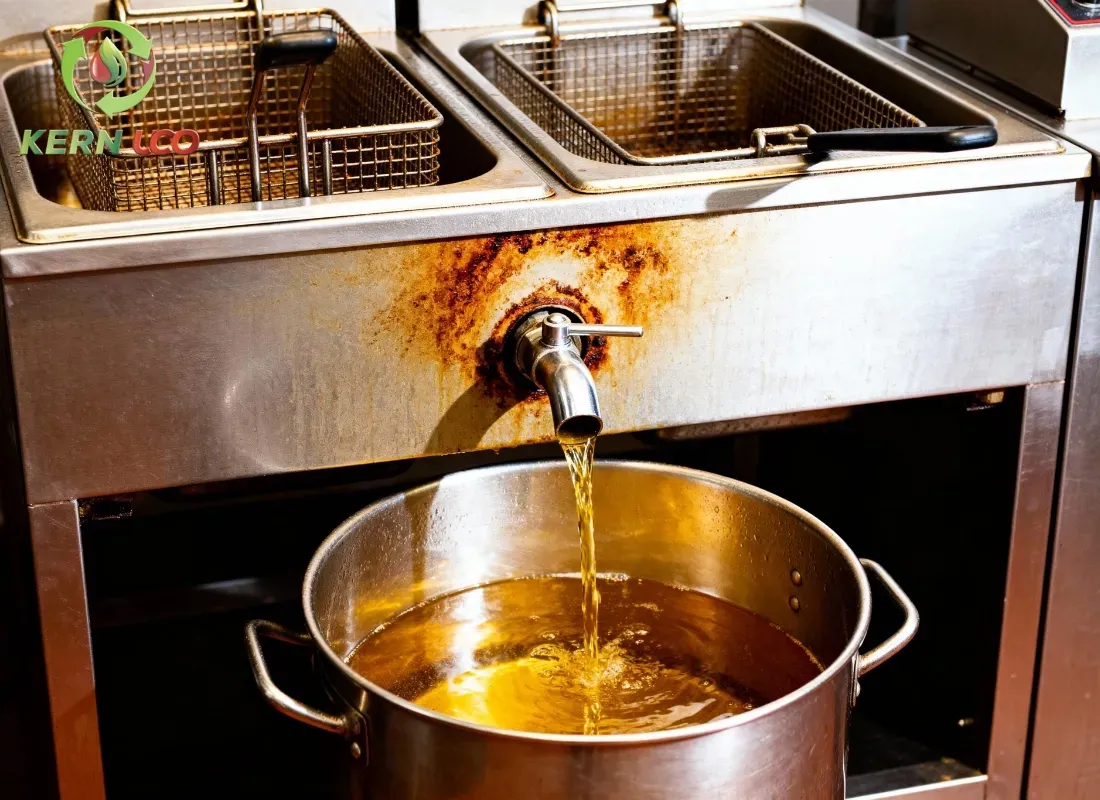
The Hidden Costs of Poor Restaurant Oil Disposal and How to Avoid Them
Introduction:
Running a restaurant successfully requires much more than serving great food. Behind every thriving commercial kitchen is a system that keeps operations clean, compliant, efficient, and environmentally responsible. One of the most overlooked aspects of restaurant operations is oil disposal. Many restaurant owners underestimate the long-term damage caused by improper grease handling until they face clogged drains, plumbing disasters, health code violations, or rising maintenance costs.
Poor oil disposal practices can silently drain profits, damage equipment, harm the environment, and even hurt your restaurant’s reputation. That’s why proper used cooking oil recycling, effective restaurant waste management, and regular grease trap cleaning are critical for modern food businesses.
Whether you operate a café, food truck, fast-food chain, hotel kitchen, or large restaurant, understanding the hidden costs of poor oil disposal can help you protect your business and improve operational efficiency.
In this guide, we’ll explore the real financial and environmental consequences of improper oil disposal and show you practical ways to avoid them.
Why Restaurant Oil Disposal Matters More Than Ever
Commercial kitchens produce large amounts of fats, oils, and grease (FOG) every single day. Fryers, grills, ovens, and cooking stations generate used oil that must be handled carefully.
When restaurants fail to dispose of oil properly, grease enters drains, plumbing systems, grease traps, and municipal sewer lines. Over time, this creates severe problems that affect both the business and the surrounding environment.
Today, consumers, local authorities, and environmental organizations expect restaurants to adopt responsible waste handling practices. Proper used cooking oil recycling has become an essential part of sustainable restaurant operations.
Understanding the Real Cost of Poor Oil Disposal
Most restaurant owners only focus on immediate expenses like ingredients, payroll, and utilities. However, poor oil disposal creates hidden operational costs that grow over time.
These expenses often include:
Plumbing repairs
Sewer backups
Emergency maintenance
Regulatory fines
Grease trap overflows
Fire hazards
Equipment damage
Environmental penalties
Business interruptions
Negative customer reviews
What seems like a small shortcut today can turn into a major financial burden later.
Plumbing Damage and Expensive Repairs
One of the biggest hidden costs of improper oil disposal is plumbing damage.
When hot grease is poured into sinks or drains, it may appear harmless at first. However, as grease cools, it solidifies inside pipes and creates stubborn blockages.
Over time, this buildup causes:
Slow drainage
Pipe corrosion
Sewer backups
Flooded kitchen floors
Burst plumbing lines
Emergency plumbing repairs are not only expensive but can also force restaurants to temporarily close operations.
Routine grease trap cleaning and professional oil collection services help prevent these costly emergencies before they occur.
Grease Trap Failure and Overflow Problems
Grease traps are designed to separate fats, oils, and grease from wastewater before it enters the sewer system. However, when restaurants neglect maintenance or dispose of oil improperly, grease traps become overloaded quickly.
An overflowing grease trap can cause:
Strong foul odors
Wastewater backups
Health code violations
Unsanitary kitchen conditions
Pest infestations
Ignoring grease trap maintenance creates serious operational risks for restaurants of all sizes.
Regular grease trap cleaning ensures that kitchen systems function efficiently and remain compliant with local regulations.
Health Code Violations and Regulatory Fines
Health inspectors closely monitor restaurant sanitation and waste management practices. Improper oil disposal can lead to serious compliance issues.
Restaurants may face fines for:
Illegal grease dumping
Sewer contamination
Overflowing grease traps
Improper waste storage
Environmental pollution
Repeated violations can damage your restaurant’s reputation and even lead to temporary shutdowns.
Investing in professional restaurant waste management services helps ensure compliance with local laws and environmental standards.
Environmental Damage and Community Impact
Improper oil disposal doesn’t only affect your restaurant it impacts the entire community.
When grease enters sewer systems, it contributes to large blockages known as fatbergs. These massive grease accumulations damage municipal infrastructure and pollute waterways.
Environmental consequences include:
Water contamination
Harm to aquatic life
Increased sewer maintenance costs
Soil pollution
Air quality issues
Restaurants that participate in used cooking oil recycling actively reduce environmental damage while supporting renewable energy initiatives.
Fire Hazards in Commercial Kitchens
Grease is highly flammable. Poor oil disposal practices significantly increase fire risks in commercial kitchens.
Grease accumulation around:
Fryers
Exhaust systems
Floors
Drains
Storage containers
can quickly become dangerous.
Kitchen fires not only threaten employee safety but also cause:
Property damage
Insurance claims
Business closures
Equipment loss
Revenue interruption
Proper oil storage, regular cleaning, and professional grease management reduce fire hazards dramatically.
Equipment Damage and Reduced Efficiency
Oil buildup affects more than plumbing systems. It also damages expensive kitchen equipment.
Grease accumulation can reduce the performance of:
Fryers
Dishwashers
Drainage systems
Ventilation systems
Food preparation stations
When equipment operates inefficiently, restaurants experience:
Higher energy costs
Frequent breakdowns
Reduced productivity
Shorter equipment lifespan
Preventive maintenance and effective restaurant waste management help extend the life of commercial kitchen equipment.
The Hidden Impact on Customer Experience
Customers may never see your grease trap, but they will notice the effects of poor maintenance.
Improper oil disposal often leads to:
Unpleasant odors
Dirty floors
Pest problems
Unsanitary conditions
Poor restroom drainage
In today’s digital world, one negative customer experience can spread quickly through online reviews.
Restaurants that maintain clean, odor-free kitchens create better dining experiences and stronger customer loyalty.
Why Used Cooking Oil Recycling Is the Smart Solution
Instead of treating used oil as waste, modern restaurants now recognize it as a recyclable resource.
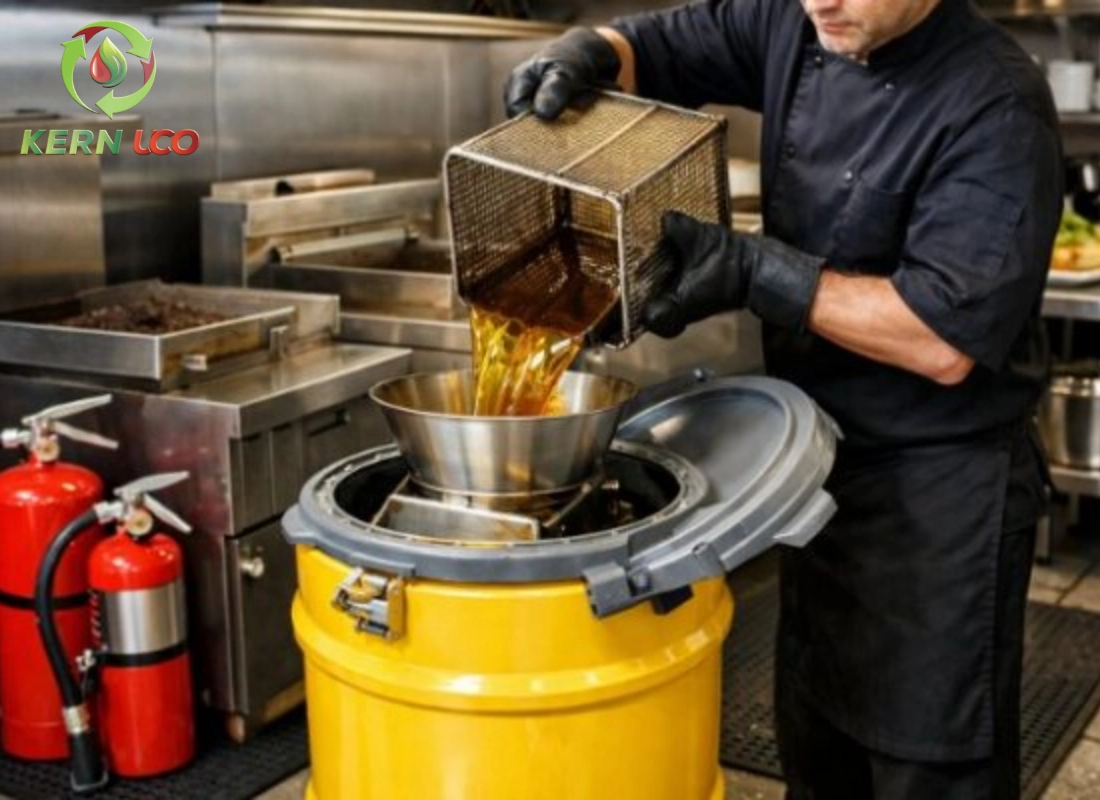
Used cooking oil recycling transforms waste oil into valuable products such as:
Biodiesel fuel
Renewable energy
Animal feed additives
Industrial lubricants
Cleaning products
Professional recycling companies safely collect, transport, and process used oil while helping restaurants remain environmentally responsible.
This approach offers both financial and environmental benefits.
Financial Benefits of Used Cooking Oil Recycling
Many restaurant owners are surprised to learn that proper oil recycling can actually save money.
Reduced Plumbing Costs
Preventing grease buildup lowers the need for emergency repairs and drain cleaning.
Lower Maintenance Expenses
Well-maintained systems are more efficient and need less repair.
Improved Operational Efficiency
Clean kitchens function more smoothly and experience less downtime.
Reduced Regulatory Risk
Professional recycling services help restaurants stay compliant with local regulations.
Potential Recycling Incentives
Some recycling providers offer financial incentives or rebates for collected oil.
Businesses that invest in proper grease management often see long-term operational savings.
Building an Effective Restaurant Waste Management Strategy
Successful restaurants follow a proactive approach to waste management rather than reacting to problems after they occur.
Step 1: Train Your Staff
Kitchen staff should understand:
Proper grease disposal procedures
Oil storage safety
Spill cleanup methods
Drain protection practices
Employee education reduces mistakes and improves consistency.
Step 2: Install Proper Equipment
Commercial kitchens should use:
High-quality grease traps
Secure oil storage containers
Drain filters
Spill containment systems
Investing in proper equipment reduces operational risks significantly.
Step 3: Schedule Regular Grease Trap Cleaning
Routine grease trap cleaning prevents overflow problems and maintains kitchen efficiency.
Cleaning frequency depends on:
Restaurant size
Cooking volume
Type of cuisine
Local regulations
High-volume kitchens may require weekly maintenance, while smaller cafés may only need service every one to two months.
Step 4: Partner with a Professional Recycling Service
Professional grease management companies provide:
Scheduled oil collection
Safe transportation
Compliance documentation
Emergency support
Sustainable disposal methods
Restaurants looking for reliable grease handling solutions often explore services like NW Grease for professional oil collection and recycling support.
Common Oil Disposal Mistakes Restaurants Make
Understanding common mistakes can help restaurant owners avoid expensive problems.
Pouring Oil Down the Drain
This remains one of the most damaging practices in commercial kitchens.
Mixing Oil with Food Waste
Oil should be stored separately in designated recycling containers.
Neglecting Grease Trap Maintenance
Waiting until problems appear often leads to emergencies.
Improper Oil Storage
Open containers increase spill risks and attract pests.
Ignoring Recycling Opportunities
Failing to recycle used oil wastes valuable resources and increases environmental impact.
How Sustainability Improves Restaurant Branding
Modern consumers care about sustainability. Restaurants that prioritize environmentally responsible practices often gain a competitive advantage.
Eco-friendly operations help businesses:
Build customer trust
Improve brand image
Increase customer loyalty
Attract environmentally conscious diners
Strengthen community reputation
Participating in used cooking oil recycling demonstrates that your restaurant values sustainability and responsible operations.
The Connection Between Oil Recycling and Biodiesel
Many restaurant owners are unaware that recycled cooking oil can be transformed into biodiesel fuel.
Biodiesel is:
Renewable
Cleaner-burning
Environmentally friendly
Sustainable
Recycling waste oil contributes to cleaner energy production and reduces landfill waste.
To learn more about how recycled oil supports renewable fuel production, visit this helpful resource on how used cooking oil becomes biodiesel.
Technology Is Changing Grease Management
Modern kitchens are increasingly adopting smart technologies to improve waste handling and efficiency.
Automated Oil Monitoring Systems
These systems track:
Oil quality
Collection schedules
Grease levels
Maintenance needs
Oil Filtration Technology
Advanced filtration systems extend oil lifespan and reduce replacement costs.
Digital Compliance Tracking
Restaurants can now maintain digital records for inspections and regulatory compliance.
Technology helps businesses streamline operations while reducing waste-related risks.
Long-Term Business Benefits of Proper Oil Disposal
Restaurants that prioritize grease management enjoy several long-term advantages.
Increased Operational Reliability
Preventive maintenance reduces unexpected disruptions.
Lower Insurance Risks
Clean kitchens with proper grease handling face fewer fire-related incidents.
Better Employee Safety
Safe kitchens improve working conditions and staff morale.
Stronger Regulatory Compliance
Organized waste management reduces legal risks.
Improved Profitability
Efficient operations lower costs and improve long-term financial performance.
Creating a Sustainable Commercial Kitchen
A sustainable kitchen is not built overnight. It requires consistent systems, staff accountability, and professional support.
Restaurant owners should focus on:
Reducing waste
Recycling used oil
Maintaining grease traps
Preventing spills
Improving energy efficiency
Training employees regularly
Small improvements can create major long-term results.
Future Trends in Restaurant Waste Management
The restaurant industry is rapidly evolving toward sustainability and smarter operations.
Future trends include:
AI-driven waste tracking
Automated grease recovery systems
Increased biodiesel production
Stricter environmental regulations
Eco-friendly kitchen designs
Restaurants that adapt early will remain competitive and compliant in the years ahead.
Why Restaurant Owners Should Act Now
Ignoring poor oil disposal practices only delays larger and more expensive problems.
Every day of neglect increases the risk of:
Plumbing emergencies
Health code violations
Environmental damage
Customer complaints
Revenue loss
On the other hand, proactive grease management creates:
Cleaner kitchens
Safer workspaces
Better customer experiences
Lower operational costs
Improved sustainability
Professional used cooking oil recycling and effective restaurant waste management are no longer optional they are essential business strategies for modern restaurants.
Final Thoughts
The hidden costs of poor restaurant oil disposal extend far beyond clogged drains. Improper grease handling affects plumbing systems, equipment performance, customer satisfaction, employee safety, environmental sustainability, and overall profitability.
Restaurants that ignore grease management often face mounting maintenance costs, operational disruptions, and regulatory risks. However, businesses that invest in regular grease trap cleaning, responsible oil disposal, and professional used cooking oil recycling create cleaner, safer, and more efficient kitchens.
In today’s competitive food industry, sustainable practices are not just good for the environment they are good for business.
By implementing smart restaurant waste management strategies and partnering with professional recycling providers, restaurant owners can reduce hidden costs, improve compliance, strengthen brand reputation, and support a cleaner future for their communities.