Clean Kitchens, Smart Profits: The Role of Oil Disposal in Restaurant Success
Introduction:
The restaurant industry thrives on efficiency, cleanliness, and customer satisfaction. While menu quality and service often take center stage, behind-the-scenes operations play an equally important role in determining profitability. One of the most overlooked aspects of restaurant management is restaurant oil disposal.
Every commercial kitchen generates used cooking oil, grease, and food waste daily. Without a proper disposal and recycling strategy, these byproducts can lead to plumbing problems, health code violations, safety risks, and unnecessary expenses. On the other hand, implementing effective used cooking oil recycling practices and maintaining strong kitchen grease management systems can help restaurants improve operational efficiency, reduce costs, and support sustainability goals.
In today's competitive market, successful restaurants understand that clean kitchens contribute directly to smart profits. This guide explores how proper oil disposal impacts restaurant performance and why investing in professional waste management solutions is one of the smartest business decisions a restaurant owner can make.
Most restaurant owners are not aware of how important oil disposal is.
Restaurants that rely on fryers, grills, and other high-volume cooking equipment produce substantial amounts of used oil every week. While disposing of that oil may seem like a routine task, improper handling can create a chain reaction of costly problems.
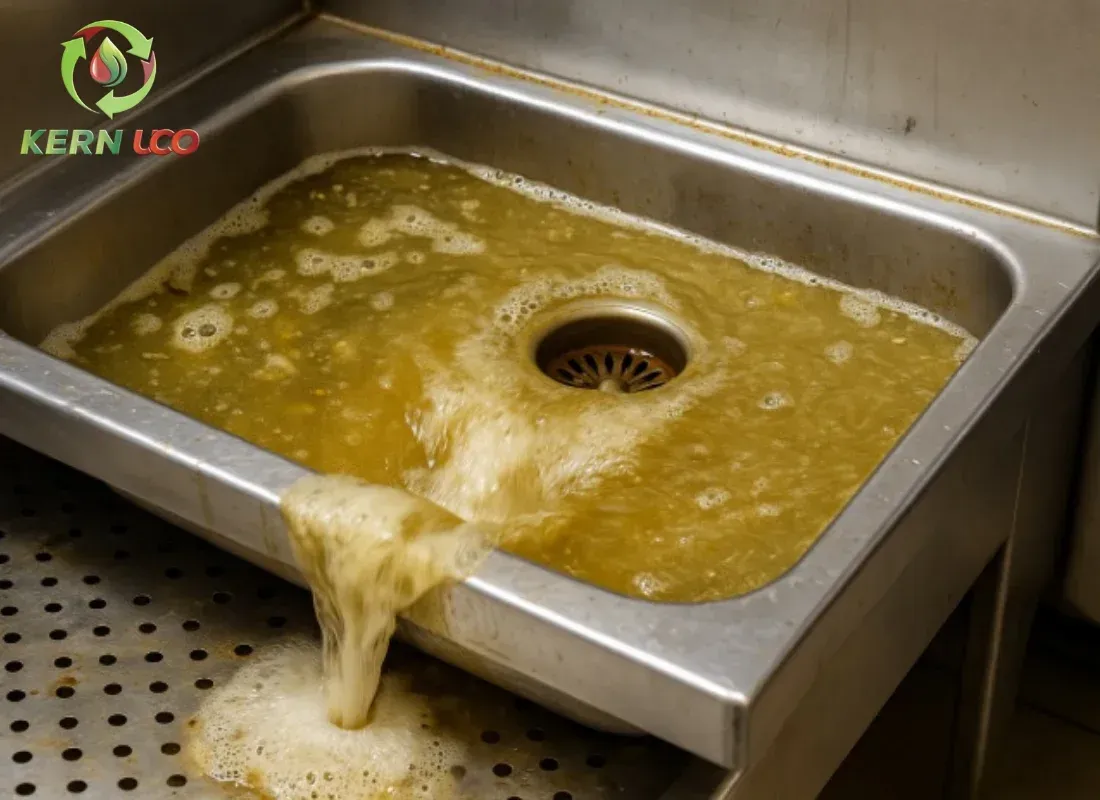
Grease and oil that enter plumbing systems can solidify over time, creating blockages that restrict water flow. These blockages can eventually lead to backups, unpleasant odors, and emergency plumbing repairs. Additionally, grease buildup increases the risk of pest infestations and can negatively impact kitchen hygiene.
Proper restaurant oil disposal prevents these issues before they occur. It helps maintain a cleaner working environment while ensuring compliance with local health and environmental regulations.
More importantly, restaurants that adopt effective disposal systems often discover significant operational and financial benefits that go far beyond simple compliance.
The Connection Between Clean Kitchens and Higher Profits
Many restaurant owners separate cleanliness from profitability, but the two are closely connected.
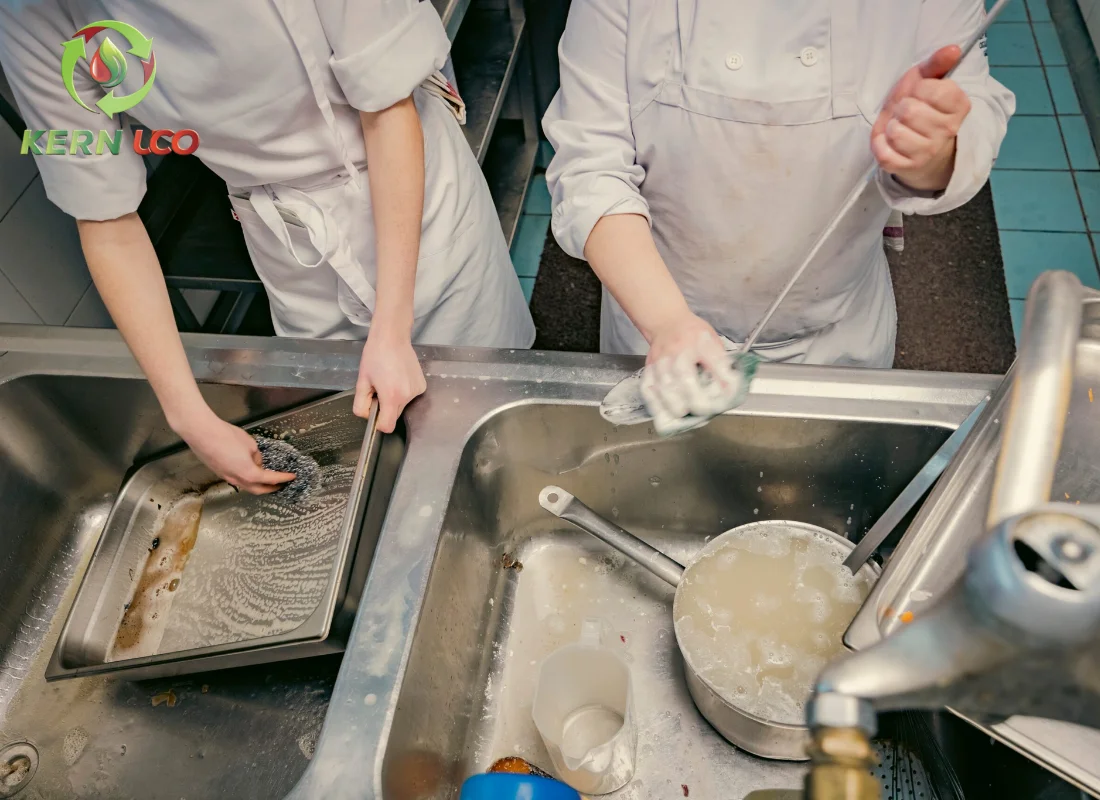
A clean kitchen operates more efficiently. Staff spend less time dealing with maintenance issues and more time focusing on food preparation and customer service. Equipment lasts longer, workflows become smoother, and downtime decreases.
Reduced Maintenance Costs
When oil and grease are properly managed, restaurants experience:
Fewer drain clogs
Lower plumbing repair expenses
Reduced grease trap emergencies
Less equipment wear and tear
These savings accumulate over time and contribute directly to improved profit margins.
Increased Productivity
Kitchen staff work more efficiently in organized environments. Proper oil management reduces clutter, minimizes spill risks, and creates safer workspaces.
Better Customer Perception
Customers may never see your grease disposal system, but they notice cleanliness. A restaurant known for high hygiene standards often earns stronger reviews, repeat business, and greater customer trust.
Understanding Used Cooking Oil Recycling
The concept of used cooking oil recycling is simple yet powerful. Instead of treating used oil as waste, restaurants can send it through recycling programs where it is transformed into valuable products.
Recycled cooking oil is commonly used to create:
Biodiesel fuel
Renewable energy products
Industrial lubricants
Agricultural products
This process keeps waste out of landfills while supporting environmentally responsible industries.
For restaurants, recycling creates an opportunity to turn a disposal challenge into a sustainability advantage.
How Used Cooking Oil Recycling Benefits Restaurants
Lower Waste Management Costs
Traditional disposal methods can become expensive over time. Recycling programs often reduce or eliminate disposal costs while providing more efficient collection services.
Improved Sustainability
Modern consumers increasingly support environmentally responsible businesses. Restaurants that participate in used cooking oil recycling demonstrate a commitment to reducing waste and protecting natural resources.
Enhanced Compliance
Environmental regulations surrounding oil disposal continue to evolve. Recycling services help restaurants remain compliant with local requirements while reducing administrative burdens.
Operational Efficiency
Scheduled oil collection services simplify daily operations and free staff from managing waste disposal tasks.
The Importance of Kitchen Grease Management
While oil recycling is essential, it is only one component of effective kitchen grease management.
Grease accumulates throughout commercial kitchens in:
Fryers
Cooking surfaces
Exhaust systems
Drains
Grease traps
Without proper management, grease buildup creates significant safety and operational risks.
Preventing Drain Blockages
Grease entering plumbing systems hardens over time. Even small amounts can gradually restrict flow and lead to costly repairs.
Improving Workplace Safety
Greasy floors increase the risk of slips and falls. Proper grease management helps create safer environments for employees.
Supporting Equipment Performance
Clean equipment performs more efficiently and requires less maintenance. Routine grease management helps extend the lifespan of expensive kitchen assets.
Creating a Comprehensive Restaurant Oil Disposal Strategy
Successful restaurants treat oil disposal as part of a broader operational strategy rather than an occasional task.
Step 1: Evaluate Current Practices
Begin by assessing how your restaurant currently handles used oil and grease waste.
Consider:
Oil storage methods
Disposal frequency
Collection processes
Staff responsibilities
Identifying weaknesses helps create opportunities for improvement.
Step 2: Implement Safe Storage Solutions
Proper storage is essential for preventing spills and contamination.
Best practices include:
Using sealed containers
Labeling storage areas clearly
Keeping containers away from food preparation zones
Monitoring container capacity regularly
Step 3: Schedule Regular Collections
Routine pickups prevent overflow and ensure waste does not accumulate.
Restaurants that partner with professional providers often experience smoother operations and fewer disruptions.
Step 4: Train Staff Consistently
Employee education is one of the most effective tools for improving oil management.
Training should cover:
Safe oil handling procedures
Spill prevention
Proper disposal methods
Emergency response protocols
Sustainability and the Modern Restaurant
Sustainability is no longer a niche concept in the food service industry.
Consumers increasingly support businesses that demonstrate environmental responsibility. Investors and partners also recognize the value of sustainable operations.
Implementing used cooking oil recycling supports sustainability by:
Reducing landfill waste
Conserving natural resources
Supporting renewable energy production
Lowering environmental impact
These benefits strengthen brand reputation while contributing to long-term business success.
Common Oil Disposal Mistakes Restaurants Should Avoid
Many operational issues stem from avoidable mistakes.
Pouring Oil Down Drains
This remains one of the most common and costly errors in commercial kitchens.
Delaying Grease Trap Maintenance
Neglected grease traps quickly lose effectiveness and create compliance risks.
Inadequate Storage
Improper storage increases spill risks and can attract pests.
Lack of Employee Training
Even the best systems fail when staff are not properly trained.
Inconsistent Collection Schedules
Waiting until storage containers are full often leads to operational disruptions.
The Financial Impact of Effective Oil Management
Many restaurant owners focus primarily on disposal costs without considering the broader financial picture.
Proper restaurant oil disposal delivers measurable financial benefits.
Reduced Emergency Repairs
Preventative management minimizes unexpected maintenance expenses.
Lower Utility Costs
Well-maintained systems often operate more efficiently.
Extended Equipment Lifespan
Reduced grease buildup decreases strain on kitchen equipment.
Improved Labor Efficiency
Employees spend less time managing waste-related issues and more time supporting revenue-generating activities.
Choosing the Right Recycling Partner
Not all recycling providers offer the same level of service.
When evaluating options, consider:
Reliability
Consistent pickups are essential for maintaining smooth operations.
Industry Experience
Providers with restaurant-specific expertise understand commercial kitchen challenges.
Compliance Knowledge
Experienced partners help restaurants navigate environmental regulations.
Customer Support
Responsive service ensures issues are resolved quickly.
Many restaurant operators work with experienced providers such as the team at NW Grease professional oil recycling services to streamline collection, recycling, and grease management processes.
How Technology Is Transforming Oil Management
Technology continues to improve how restaurants handle waste oil.
Innovations include:
Smart collection monitoring
Automated storage systems
Oil quality sensors
Data-driven maintenance scheduling
These advancements help restaurants optimize operations while reducing waste.
Building a Competitive Advantage Through Sustainability
Restaurants that embrace sustainability often enjoy significant competitive advantages.
Benefits include:
Improved customer loyalty
Enhanced brand reputation
Greater operational efficiency
Reduced environmental impact
Proper used cooking oil recycling is one of the easiest and most practical ways for restaurants to begin building a stronger sustainability strategy.
Why Restaurant Oil Disposal Is an Investment, Not an Expense
Many operators view waste management as a cost center. However, effective oil disposal should be viewed as an investment.
Investments in:
Recycling programs
Staff training
Grease management systems
Professional collection services
often generate returns through lower costs, higher efficiency, and improved operational performance.
Learn More About Proper Restaurant Oil Disposal
Restaurants looking to improve their waste management practices can explore additional resources and best practices through this guide:
This resource provides valuable insights into developing safer and more effective disposal systems for commercial kitchens.
Final Thoughts
Restaurant success depends on countless details working together behind the scenes. While customers focus on food quality and service, operational excellence often begins in areas they never see.
Effective restaurant oil disposal, proactive kitchen grease management, and reliable used cooking oil recycling programs help create cleaner kitchens, safer work environments, and more profitable businesses.
By viewing oil waste as a manageable resource rather than a burden, restaurants can reduce costs, improve sustainability, and strengthen long-term performance. The result is a cleaner operation, a stronger reputation, and a more profitable future.
In a competitive industry where every advantage matters, smart oil disposal isn't just good housekeeping it's smart business.