Restaurant Grease Waste Solutions That Support Cleaner Kitchens
Introduction:
Running a successful restaurant isn’t just about great food and excellent service it’s also about maintaining a clean, safe, and compliant kitchen environment. One of the most overlooked yet critical aspects of restaurant operations is grease waste management. Without proper systems in place, grease buildup can quickly lead to clogged drains, foul odors, safety hazards, and even costly regulatory fines.
That’s where restaurant grease waste solutions come into play. From used cooking oil recycling to effective kitchen drain maintenance, adopting the right strategies can transform your kitchen into a cleaner, more efficient space.
In this comprehensive guide, we’ll explore practical, proven solutions that help restaurants manage grease waste effectively while improving hygiene, sustainability, and operational efficiency.
Why Grease Waste Management Matters More Than You Think
Every commercial kitchen produces a significant amount of grease daily from frying oils to food residues. When not handled properly, this grease accumulates in plumbing systems, leading to:
Blocked drains and sewer backups
Increased pest activity
Unpleasant kitchen odors
Fire hazards due to grease buildup
Health code violations and penalties
Ignoring grease waste isn’t just a minor inconvenience it can disrupt your entire operation. That’s why investing in reliable restaurant grease waste solutions is not optional—it’s essential.
Understanding the Types of Grease Waste in Restaurants
Before implementing solutions, it’s important to understand the different types of grease waste your kitchen produces:
1. Used Cooking Oil
This includes oil from fryers, grills, and cooking surfaces. It’s one of the most recyclable forms of kitchen waste.
2. Yellow Grease
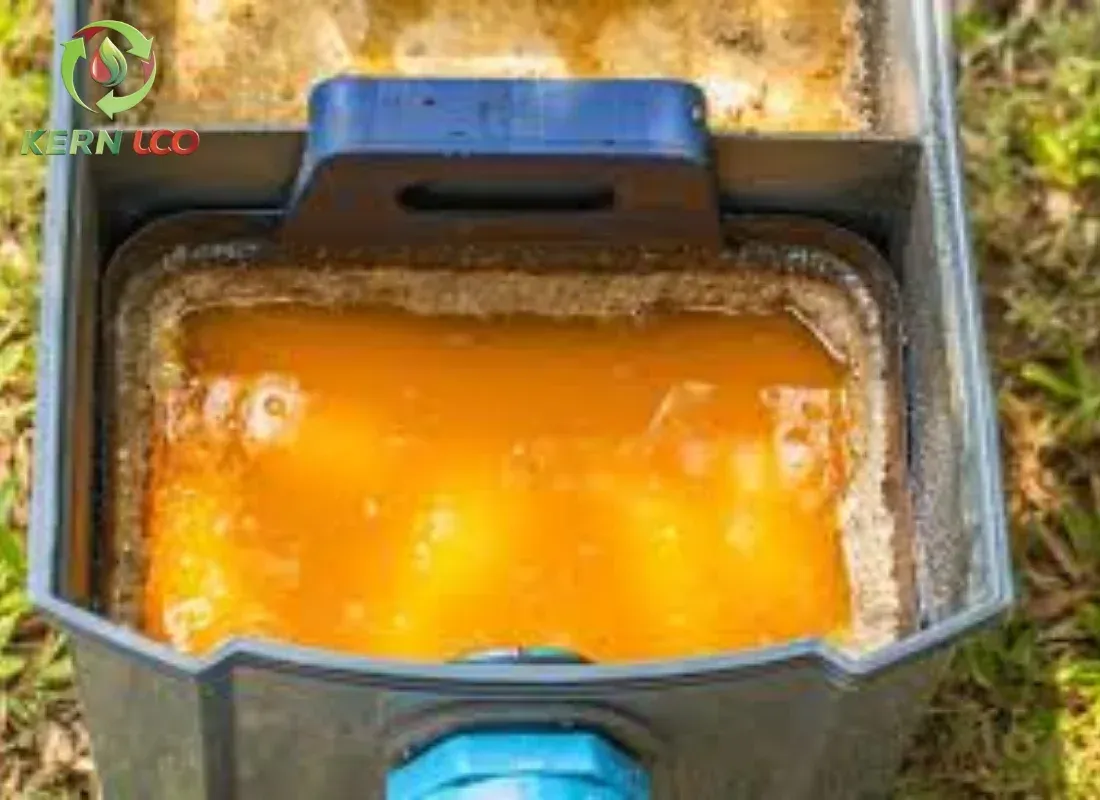
Typically collected from grease traps, yellow grease contains food particles and water mixed with oil.
3. Brown Grease
This is the sludge-like waste found in grease interceptors. It’s harder to recycle and requires specialized disposal.
Each type requires a tailored approach, which is why a combination of solutions works best.
The Role of Used Cooking Oil Recycling in Cleaner Kitchens
One of the most effective ways to manage grease waste is through used cooking oil recycling. Instead of dumping oil down drains (which is a major mistake), recycling allows restaurants to turn waste into a valuable resource.
Benefits of Used Cooking Oil Recycling
Prevents drain blockages: Keeps plumbing systems clear and functional
Supports sustainability: Recycled oil is often converted into biodiesel
Reduces waste disposal costs: Many services offer free collection
Improves kitchen hygiene: Less grease accumulation means a cleaner workspace
By partnering with a reliable recycling service, restaurants can streamline waste management while contributing to environmental conservation.
Kitchen Drain Maintenance: The Backbone of Grease Control
Even with proper oil disposal, grease can still find its way into drains. That’s why kitchen drain maintenance is a critical component of any grease management strategy.
Best Practices for Kitchen Drain Maintenance
1. Regular Cleaning Schedules
Set a routine for cleaning drains to prevent buildup before it becomes a problem.
2. Use Enzyme-Based Cleaners
These break down grease naturally without damaging pipes or harming the environment.
3. Install Drain Screens
Prevent food particles and solids from entering the drainage system.
4. Avoid Hot Water Dumping
Pouring hot grease down drains may seem harmless, but it solidifies as it cools, causing blockages.
5. Professional Inspections
Periodic inspections help identify hidden issues before they escalate.
A proactive approach to kitchen drain maintenance not only extends the life of your plumbing system but also ensures uninterrupted kitchen operations.
Grease Traps: Your First Line of Defense
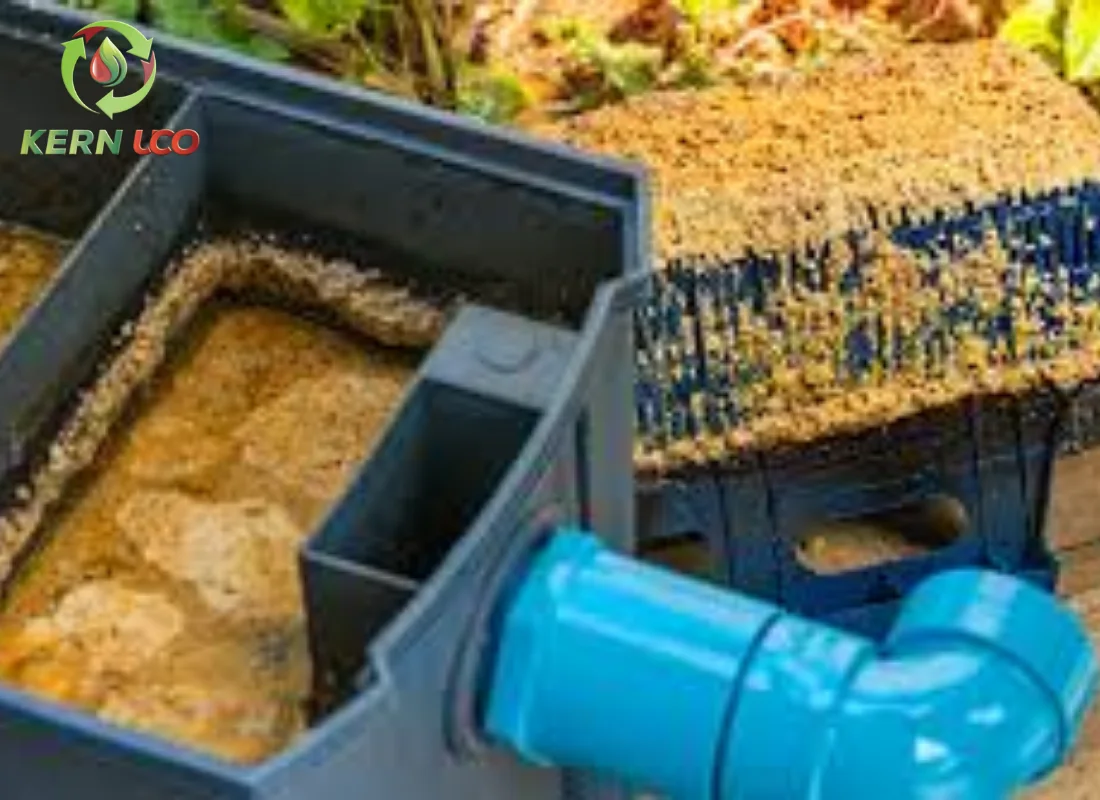
Grease traps are essential tools in commercial kitchens. They capture fats, oils, and grease (FOG) before they enter the sewer system.
How Grease Traps Work
Wastewater flows into the trap
Grease rises to the top while solids sink
Cleaner water exits into the drainage system
Importance of Regular Grease Trap Maintenance
Neglecting grease traps can lead to:
Overflow and backups
Foul odors
Reduced efficiency
Health code violations
Maintenance Tips
Clean traps weekly or bi-weekly depending on usage
Monitor grease levels regularly
Keep detailed maintenance logs
Hire professional cleaning services when needed
Effective grease trap management is a cornerstone of modern restaurant grease waste solutions.
Sustainable Restaurant Grease Waste Solutions
Sustainability is no longer optional it’s a competitive advantage. Restaurants that adopt eco-friendly grease management practices not only reduce their environmental footprint but also attract environmentally conscious customers.
Eco-Friendly Practices to Implement
1. Partner with Recycling Companies
Work with professionals who specialize in used cooking oil recycling to ensure proper handling.
2. Reduce Oil Usage
Optimize cooking techniques to minimize oil consumption.
3. Train Staff
Educate your team on proper grease disposal methods.
4. Monitor Waste Output
Track how much grease your kitchen produces and identify areas for improvement.
5. Use Smart Equipment
Modern fryers and filtration systems can extend oil life, reducing waste.
Tops 10 Things You Do Wrong in Your Restaurant and How You Can Avoid Them.
Even experienced restaurant owners can fall into bad habits when it comes to grease management. Here are some common mistakes and how to fix them:
Mistake 1: Pouring Grease Down the Drain
Solution: Always store used oil in designated containers for recycling.
Mistake 2: Ignoring Grease Trap Maintenance
Solution: Create a strict cleaning schedule and stick to it.
Mistake 3: Using Harsh Chemicals
Solution: Switch to eco-friendly enzyme cleaners.
Mistake 4: Lack of Staff Training
Solution: Conduct regular training sessions on proper waste handling.
Mistake 5: Delaying Professional Services
Solution: Schedule routine inspections and cleanings with experts.
Avoiding these pitfalls ensures your restaurant grease waste solutions remain effective and sustainable.
How Grease Waste Solutions Improve Kitchen Safety
Good grease management has many implications for workplace safety:
1. Reduces Fire Risks
Grease is highly flammable. Removing buildup minimizes fire hazards.
2. Prevents Slips and Falls
Greasy floors can lead to accidents. Proper disposal reduces spillage.
3. Improves Air Quality
Less grease means fewer odors and cleaner air.
4. Ensures Compliance
Meeting health and safety regulations protects your business from fines and closures.
Safety isn’t just about compliance it’s about protecting your staff, customers, and reputation.
Cost Benefits of Effective Grease Waste Management
Many restaurant owners see grease management as an expense but it’s actually an investment.
Financial Advantages
Lower plumbing repair costs
Reduced emergency maintenance expenses
Extended equipment lifespan
Potential revenue from recycled oil
Avoidance of regulatory fines
Over time, implementing strong restaurant grease waste solutions can significantly improve your bottom line.
Building a Grease Management Plan for Your Restaurant
A well-structured plan ensures consistency and efficiency.
Step-by-Step Approach
Step 1: Assess Your Kitchen
Identify sources of grease and current disposal methods.
Step 2: Set Clear Goals
Define what you want to achieve cleaner drains, reduced waste, or improved compliance.
Step 3: Choose the Right Solutions
Incorporate used cooking oil recycling, grease traps, and kitchen drain maintenance.
Step 4: Train Your Team
Ensure everyone understands their role in maintaining cleanliness.
Step 5: Monitor and Improve
Regularly review your processes and make adjustments as needed.
A structured approach ensures long-term success and sustainability.
The Future of Grease Waste Management in Restaurants
The industry is evolving rapidly, with new technologies and practices emerging:
Automated grease collection systems
IoT-enabled grease trap monitoring
Advanced oil filtration technologies
Increased focus on circular economy practices
Restaurants that adopt these innovations early will gain a competitive edge while maintaining cleaner, safer kitchens.
Final Thoughts
Managing grease waste effectively is one of the most impactful steps a restaurant can take toward maintaining a clean, safe, and efficient kitchen. From used cooking oil recycling to proactive kitchen drain maintenance, the right strategies not only prevent problems but also create opportunities for sustainability and cost savings.
By implementing comprehensive restaurant grease waste solutions, you’re not just protecting your plumbing you’re enhancing your entire operation. Cleaner kitchens lead to better food quality, happier staff, and more satisfied customers.
If you haven’t already optimized your grease management practices, now is the time to act. Start small, stay consistent, and partner with professionals who can guide you toward long-term success.