How Used Cooking Oil Collection Helps Restaurants Save Money and Go Green
Introduction:
In today's environmentally conscious world, restaurants face the dual challenge of running a profitable business while reducing their ecological footprint. One of the most overlooked yet impactful strategies is proper used cooking oil recycling. Beyond being an eco-friendly practice, recycling cooking oil can lead to significant cost savings, improve operational efficiency, and contribute to a restaurant’s sustainability reputation. In this article, we’ll explore how used cooking oil collection can transform your restaurant operations, the benefits of implementing a systematic recycling program, and how services like Grease Trap Cleaning and local collection services can make the process seamless.
Understanding Used Cooking Oil and Its Impact
Restaurants generate large amounts of cooking oil daily. From deep fryers to sauté pans, oil accumulates quickly and, when disposed of incorrectly, can create serious environmental and operational problems. Pouring oil down drains can cause clogs, foul odors, and costly plumbing repairs. Improper disposal also contributes to water pollution, harming local ecosystems and potentially leading to legal penalties.
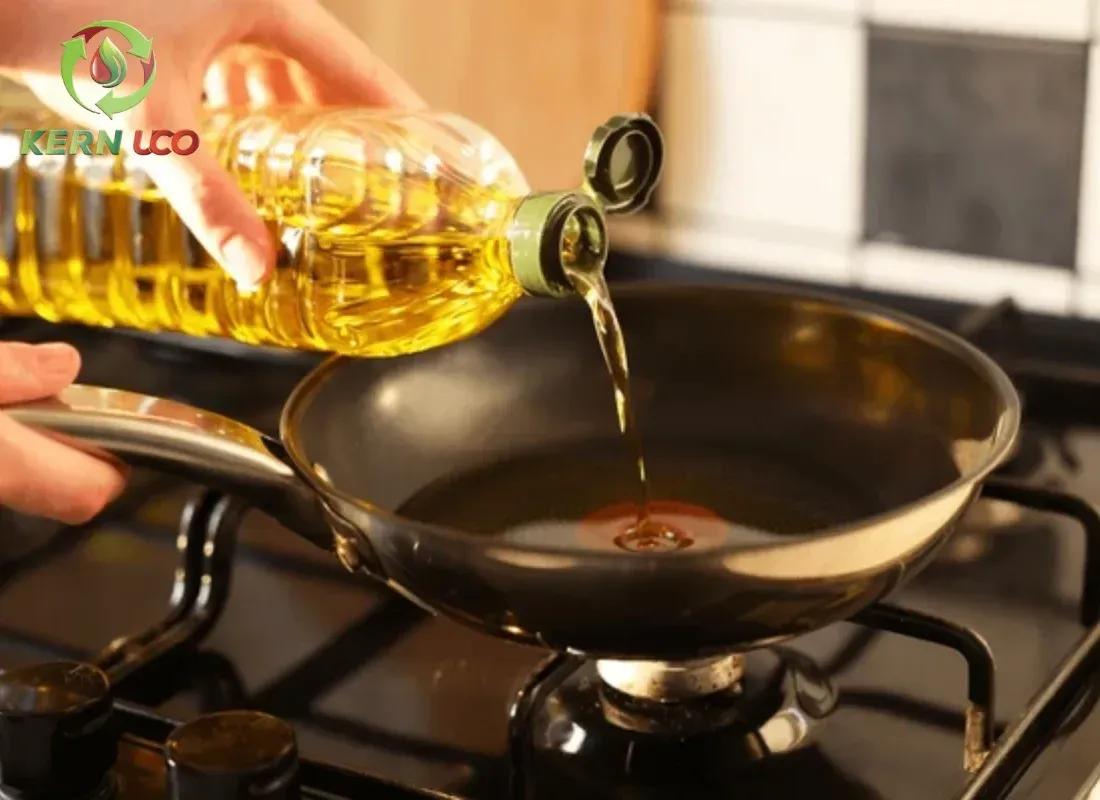
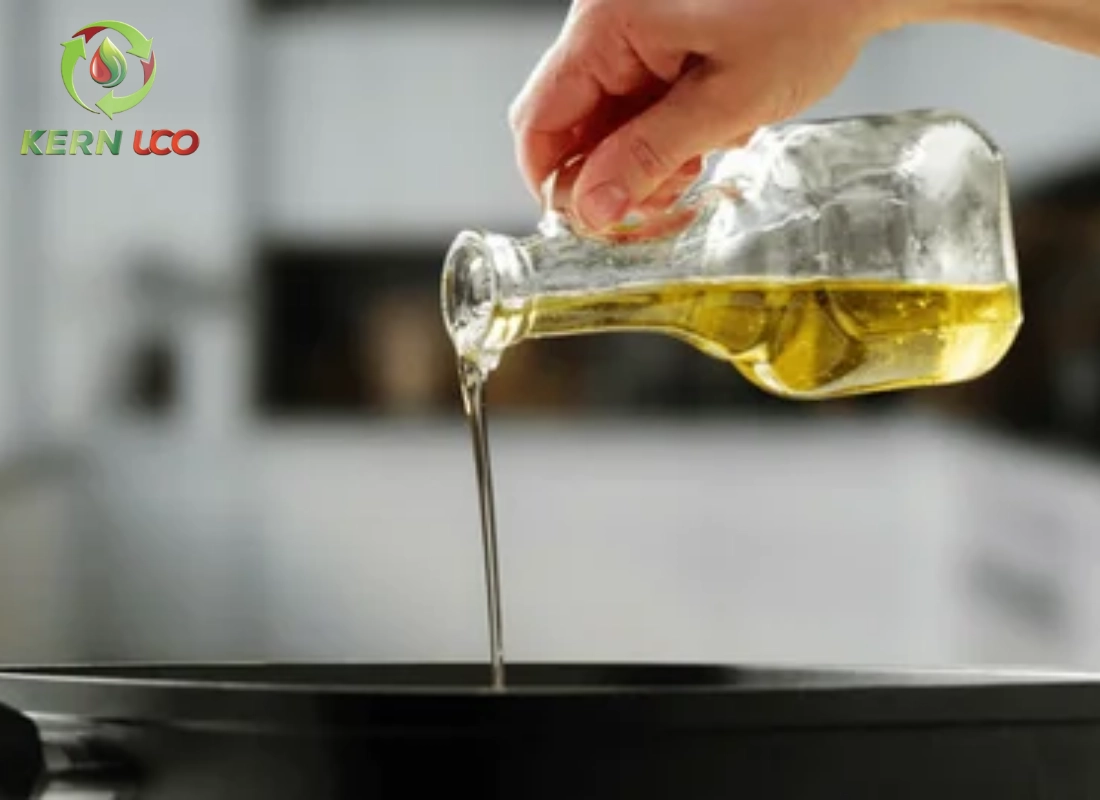
Used cooking oil recycling is the process of collecting, filtering, and repurposing cooking oil for alternative uses such as biofuel, animal feed, or industrial applications. Rather than viewing used oil as waste, restaurants can treat it as a valuable resource.
Why Restaurants Should Care About Recycling Used Cooking Oil
1. Environmental Responsibility
The environmental benefits of recycling used cooking oil cannot be overstated. By ensuring your restaurant participates in oil recycling near me, you prevent harmful substances from entering local waterways. Recycling used oil reduces greenhouse gas emissions when converted into biofuel and decreases the carbon footprint of your establishment.
Restaurants that prioritize sustainability not only protect the environment but also attract eco-conscious customers. Today’s diners are more likely to support businesses that demonstrate responsible waste management practices.
2. Cost Savings and Revenue Opportunities
Many restaurant owners are unaware that used cooking oil recycling can be a source of revenue rather than just a compliance expense. Local recycling services often pay for collected used cooking oil, turning a previously discarded product into extra income.
Moreover, proper recycling reduces the risk of plumbing issues caused by oil buildup in drains and grease traps. This directly translates to lower maintenance costs, fewer emergency plumbing services, and less downtime in kitchen operations.
3. Compliance with Health and Safety Regulations
Improper disposal of used cooking oil can violate local health and environmental codes. Restaurants are often required to comply with municipal regulations regarding grease and oil disposal. Engaging in professional oil collection ensures that your restaurant remains compliant, avoiding fines and penalties.
Additionally, routine Grease Trap Cleaning is often mandated for establishments that produce significant quantities of fats, oils, and grease (FOG). Regular maintenance keeps your kitchen safer, reduces odors, and prevents costly overflows.
The Process of Used Cooking Oil Collection
Understanding how used cooking oil collection works can help restaurants integrate this process into their daily operations efficiently. Most professional collection services follow these steps:
Step 1: Collection and Storage
Restaurants store used cooking oil in designated containers. These containers are usually large, sealed, and designed to prevent leaks or contamination. Staff must be trained to filter out food debris to ensure the oil remains clean enough for recycling.
Step 2: Scheduled Pickup
Local services, often searchable via oil recycling near me, coordinate regular pickups. This ensures that oil does not accumulate excessively in the kitchen, reducing the risk of spills and unpleasant odors.
External services like StartGreen Commodities specialize in picking up used cooking oil and ensuring it is properly recycled or converted into sustainable products.
Step 3: Transportation and Processing
Collected oil is transported to specialized facilities where it is filtered and processed. Depending on the intended use, oil may be converted into biodiesel, lubricants, or animal feed ingredients. This stage is crucial for transforming waste into a valuable, reusable product.
Grease Trap Cleaning: A Vital Companion to Oil Recycling
While used cooking oil collection focuses on liquid oil, Grease Trap Cleaning addresses the semi-solid FOG that accumulates in drains and plumbing systems. Proper grease trap maintenance prevents blockages, reduces odors, and ensures compliance with local regulations.
Benefits of Regular Grease Trap Cleaning
Prevents Blockages: A clean grease trap ensures that wastewater flows freely and prevents sewer backups.
Reduces Odors: Accumulated grease can produce unpleasant smells in kitchens and dining areas.
Supports Oil Recycling: By separating grease from wastewater, restaurants can more efficiently collect used oil for recycling.
Compliance: Many cities require restaurants to maintain and document regular grease trap cleaning to avoid fines.
Together, used cooking oil collection and grease trap maintenance form a complete waste management strategy, ensuring your restaurant operates efficiently and sustainably.
How Recycling Cooking Oil Can Boost Your Restaurant’s Brand
Consumers today increasingly value sustainability and environmentally conscious practices. Restaurants that participate in used cooking oil recycling demonstrate a commitment to the planet and community. This can be highlighted in marketing campaigns, social media posts, and in-store messaging.
Key Branding Benefits:
Enhances your restaurant’s eco-friendly reputation.
Attracts environmentally conscious customers.
Demonstrates corporate social responsibility.
Differentiates your business in a competitive market.
Restaurants can even partner with local recycling companies for community initiatives, creating positive press coverage and community engagement.
Cost-Benefit Analysis of Implementing Used Cooking Oil Recycling
Many restaurant owners hesitate to implement oil recycling programs due to perceived costs. However, a closer look reveals that the investment often pays for itself.
Cost Considerations
Purchase of oil storage containers.
Staff training for proper handling.
Service fees for collection and disposal.
Financial Benefits
Direct revenue from selling used cooking oil.
Reduced plumbing maintenance costs.
Avoidance of fines for improper disposal.
Potential tax incentives for environmentally friendly practices.
A restaurant generating even a moderate amount of used oil can see noticeable savings and potential profit streams over a year by implementing a systematic recycling program.
Finding the Right Oil Recycling Service
Not all oil recycling services are created equal. When searching for oil recycling near me, consider these factors:
Reputation and Reliability: Check reviews and references. Reliable services will pick up oil consistently and handle it responsibly.
Compliance Knowledge: Ensure the company understands local regulations for used cooking oil disposal.
Revenue Sharing: Some services offer payments for oil collected, which can offset costs.
Environmental Certifications: Look for companies committed to sustainable processing, such as conversion to biodiesel.
By partnering with reputable services like StartGreen Commodities, restaurants can ensure their used oil is processed safely and sustainably.
Best Practices for Restaurants to Maximize Benefits
Implementing a used cooking oil recycling program requires careful planning and staff engagement. Here are best practices:
1. Train Your Staff
Educate kitchen staff on proper oil handling, filtering, and storage. Clear guidelines prevent contamination and reduce the risk of spills.
2. Schedule Regular Pickups
Coordinate with your recycling service to ensure oil is collected before containers overflow. This keeps the kitchen safe and maintains cleanliness.
3. Maintain Accurate Records
Track the volume of oil collected, the date of pickups, and payments received. This documentation can assist with compliance and accounting.
4. Integrate with Grease Trap Maintenance
Coordinate Grease Trap Cleaning with oil recycling schedules to maximize efficiency. Clean traps prevent backups and make oil collection easier.
5. Promote Sustainability Initiatives
Share your recycling efforts with customers. Whether through social media, in-store signage, or your website, highlighting environmental practices can enhance your brand image.
Common Challenges and How to Overcome Them
While the benefits are clear, restaurants may face challenges in adopting oil recycling programs:
Challenge 1: Space Constraints
Solution: Use compact oil storage containers or collaborate with your recycling service to arrange frequent pickups.
Challenge 2: Staff Compliance
Solution: Offer training sessions and reminders for proper oil handling and filtering. Reward staff for maintaining high standards.
Challenge 3: Finding Reliable Services
Solution: Research local providers using keywords like oil recycling near me and check their environmental certifications.
Challenge 4: Cost Concerns
Solution: Evaluate potential revenue from selling used oil and savings from reduced maintenance costs. Over time, the program often pays for itself.
Case Study: A Restaurant That Benefited from Used Cooking Oil Recycling
Consider a mid-sized restaurant in [your city] that implemented a comprehensive oil recycling program. By collaborating with a local provider and scheduling monthly Grease Trap Cleaning, the restaurant observed:
Annual savings of $1,200 on plumbing and maintenance.
Revenue of $800 from selling collected used oil.
Improved kitchen efficiency and reduced odors.
Positive feedback from environmentally conscious customers, boosting repeat business.
This example demonstrates that systematic used cooking oil collection is both environmentally responsible and financially beneficial.
Beyond Restaurants: The Wider Impact of Oil Recycling
Used cooking oil recycling benefits extend beyond individual businesses. When restaurants collectively participate:
Communities experience fewer blocked drains and sewer backups.
Local authorities spend less on emergency maintenance.
More raw material is available for renewable energy production.
Supporting companies like StartGreen Commodities helps build a sustainable infrastructure that benefits restaurants, communities, and the environment.
Conclusion: Turning Waste Into Opportunity
Proper used cooking oil recycling is more than an environmental choice it’s a smart business strategy. Restaurants that implement regular oil collection and Grease Trap Cleaning programs save money, ensure compliance, improve kitchen operations, and enhance their brand reputation.
By partnering with reliable recycling services and training staff to handle oil responsibly, restaurants can transform what was once a costly waste product into a valuable resource. Every drop of recycled oil contributes to a greener planet, a cleaner community, and a healthier bottom line.