The Ultimate Kitchen Upgrade: Efficient Oil Collection for Modern Restaurants
Introduction:
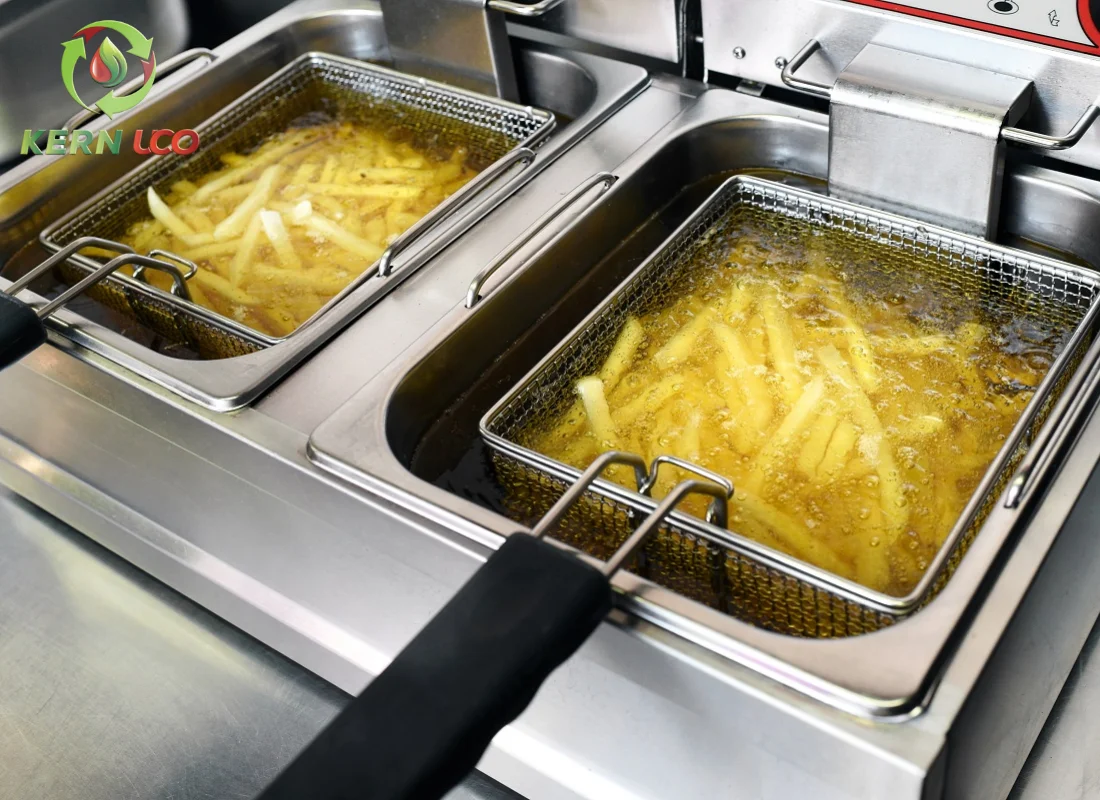
Walk into any high-volume commercial kitchen on a Friday night, and you will witness an incredible feat of human synchronization. Burners roar, timers beep, and fryers bubble continuously as hundreds of plates wing their way out to hungry diners. It is an environment built entirely on speed, consistency, and precision. Yet, when the lights dim and the closing shift begins, the momentum often grinds to a halt during one specific, universally dreaded task: dealing with the leftover fryer grease.
For decades, grease management has been the unglamorous underbelly of the food service industry. It is traditionally messy, physically demanding, and historically prone to expensive human error. Line cooks carrying open buckets of hot fat across slippery tile floors to a rusted outdoor dumpster is an all-too-common visual.
However, as operational costs rise, environmental regulations tighten, and smart technology infiltrates back-of-house designs, kitchen logistics are experiencing a massive paradigm shift.
Modern culinary operations are discovering that optimizing their fryer oil lifecycle is not merely a utility requirement is a competitive business advantage. Upgrading to a highly structured, automated system for used cooking oil collection is the ultimate kitchen improvement.
Let's dive deep into how optimizing your waste oil streams protects your staff, slashes your overhead costs, insulates your business from legal liabilities, and powers the global circular economy.
The Modern Kitchen Dilemma: The Growing Cost of Mismanaged Grease
To understand the immense value of an efficient collection system, we must first look closely at the operational, financial, and physical liabilities that traditional, manual oil disposal imposes on a restaurant. Many operators view oil waste as a passive problem, but the hidden costs accumulate quickly on the balance sheet.
1. Employee Injuries and Burn Liabilities
Kitchen safety is a primary pillar of worker retention and cost control. Manually draining, storing, and dumping commercial fryers is one of the highest-risk tasks a kitchen worker can perform. Deep fryers operate at extreme temperatures, typically between $325^\circ\text{F}$ and $375^\circ\text{F}$ ($163^\circ\text{C}$ to $190^\circ\text{C}$).
If employees are forced to handle liquid fat before it completely cools often because they need to catch a bus or finish a closing shift quickly the risk of severe, life-altering second or third-degree burns is incredibly high.
Beyond the human element, worker compensation claims for kitchen burns cost the food service sector millions annually in premium spikes and lost productivity.
2. The Loading Dock Nightmare: Grease Theft and Pest Infestations
Traditional outdoor grease bins often referred to as grease corrals or yellow grease dumpsters are massive liabilities. Because refined, clean used cooking oil has real commodity value on the global market, "grease rustling" or oil theft has skyrocketed. Thieves routinely break into outdoor bins using bolt cutters or specialized pumps, stealing the oil and damaging restaurant property in the process.
Furthermore, standard outdoor bins are notorious for leaks, spills, and foul odors. These odors act as a magnet for rodents, insects, and neighborhood pests, creating a direct conflict with local health department standards and ruining the curbside appeal for nearby diners.
3. The Devastating Costs of Plumbing Failures
When kitchens lack a smooth, reliable method for transferring oil, shortcuts naturally happen. A line cook might dump a small bucket down the dishwashing sink, or an overfilled outdoor bin might overflow into the municipal sewer line during a heavy rainstorm.
When fats, oils, and grease (commonly known as FOG) enter wastewater systems, they don't simply wash away. They cool down, bind with organic debris, and form solid blockages within your facility's pipes or the municipal sewer system.
An unexpected main-line backup can force your dining room to shut down instantly during peak weekend hours, costing thousands in immediate lost revenue, emergency hydro-jetting plumbing fees, and massive environmental fines from the city.
The Core Solution: Advanced Used Cooking Oil Collection Systems
The ultimate kitchen upgrade replaces manual, open-air grease handling with a closed-loop collection infrastructure. Modern oil infrastructure companies install heavy-duty, clean, and fully sealed storage tanks tailored to a kitchen’s exact physical layout and monthly volume.
Understanding Closed-Loop Systems
In a premium closed-loop configuration, your deep fryers are connected directly to an interior storage tank via specialized plumbing lines or a mobile, vacuum-sealed filtration caddy. When the oil is spent, the kitchen worker simply attaches a hose or rolls the caddy to the fryer, opens a valve, and pumps the liquid out safely. The oil travels securely through the closed system straight into an interior holding vessel.
This setup completely eliminates the most dangerous parts of the process:
Zero Open Carrying: Employees never carry open vats of hot grease across kitchen floors or out to a back alley.
Total Air Isolation: Odors are entirely contained inside the tank, preventing pests and keeping the back of the house smelling fresh.
Space Optimization: Modern tanks have compact, vertical designs, allowing them to fit into small storage rooms, closets, or tight indoor spaces that are completely inaccessible to external pests or thieves.
- Custom HTML/CSS/JavaScript
Environmental Stewardship: Turning Kitchen Waste into Global Biofuel
Upgrading your kitchen's grease infrastructure is more than just an operational win; it is a major step forward for your brand’s ecological responsibility. The magic happens after the oil leaves your building. When you implement structured used cooking oil recycling, your waste becomes a foundational building block for the green energy revolution.
The Lifecycle of Recycled Frying Oil
Once an authorized collection truck pumps The grease is pumped to a special processing plant. Here, the raw material undergoes rigorous filtration, heating, and purification to remove leftover food particulates, water, and chemical impurities.
The resulting clean produc highly refined yellow grease is delivered directly to biorefineries, where it is converted into advanced biofuels, most notably biodiesel and renewable diesel.
Biofuels derived from recycled kitchen fat are incredibly eco-friendly. They boast a carbon footprint that is up to 85% lower than standard fossil-based petroleum diesel. By choosing a transparent, dedicated recycling pathway, your kitchen actively helps lower carbon emissions in heavy transport fleets, city buses, and cargo logistics networks worldwide. It represents the circular economy at its finest: turning a problematic restaurant waste stream into clean, functional energy.
Local Access, Global Impact: Navigating the Recovery Infrastructure
For multi-unit restaurant groups and independent local eateries alike, finding a reliable logistics partner is the most critical step in this operational evolution. Many operators run into issues by relying on uncertified, inconsistent local haulers who drop off pickups or fail to provide proper disposal manifests.
When seeking a secure solution, it is vital to source a certified provider that blends local agility with international market stability. If you are ready to transition your kitchen away from outdated, manual methods and want to explore trusted, professional disposal services tailored to your specific geographic market, you can quickly find your ideal partner by searching for a verified provider through this comprehensive portal for oil recycling near me, which instantly maps out secure collection routes and compliant disposal options right in your immediate area.
The Commodity Value of Grease: Stabilizing Your Business Bottom Line
A common misconception among restaurant managers is that sustainability initiatives are inherently expensive and drain cash flow. With used cooking oil, the exact opposite is true. Spent frying fat is not a valueless garbage item; it is a highly traded global commodity.
Because green energy policies around the world heavily incentivize the production of low-carbon fuels, the market demand for consistent, high-quality kitchen grease has never been higher. To fully capitalize on this asset, forward-thinking restaurants align their waste infrastructure with major players in international trading.
Working with established global supply chain leaders like Start Green Commodities ensures your kitchen's byproduct is linked directly to international renewable energy markets, maximizing the value of your waste stream while guaranteeing that every gallon collected is efficiently moved into top-tier, compliant biofuel production channels.
When you treat your used frying grease as an active revenue offset rather than a garbage fee, your restaurant unlocks significant financial perks:
Variable Rebate Structures: Many premium collection services provide a credit or rebate back to the restaurant based on the current market price per pound of yellow grease collected.
Zero Fee Guarantees: A highly reliable collection service often provides, installs, and services the indoor tank equipment completely free of charge, offsetting traditional trash hauling expenses.
Shield Against Inflation: The financial offsets generated by your oil collection program provide a great buffer against unpredictable fluctuations in food costs and wholesale ingredient pricing.
Compliance and Municipal Audits: Protecting Your Business License
Cities and local water authorities are enforcing wastewater regulations more aggressively than ever before. Local environmental protection agencies routinely conduct unannounced inspections of commercial kitchens to audit grease traps, verify storage conditions, and review oil disposal records.
If your business cannot produce clean, verifiable disposal manifests during a surprise city inspection, or if an inspector notices grease pooling on the asphalt outside your back door, the consequences can shut down your operations:
Violation TypeImmediate Operational ImpactLong-Term Financial ConsequenceMissing Disposal RecordsWarning citations and mandatory follow-up audits within 14 days.Chronic non-compliance fines ranging from $500 to $5,000 per missing log.Storm Drain ContaminationImmediate stop-work orders and environmental protection investigations.Heavy federal or state clean-up fees, plus severe brand reputation damage.Grease Trap OverflowEmergency health department shutdowns until industrial pumping is verified.Sudden plumbing restoration costs and lost revenue from forced closure days.
Upgrading to an automated collection infrastructure completely removes this stress. Your authorized collection provider tracks every single gallon vacuumed from your facility, generating electronic, legally compliant manifests that prove your adherence to local environmental health codes. When an inspector walks through your back doors, you can pull up your clean compliance dashboard in seconds.
Maximizing Oil Longevity: Pre-Collection Best Practices
While a professional collection service handles the extraction and recycling elements of the process, your in-kitchen team plays a vital role in keeping your oil valuable and your collection machinery running smoothly. Implementing simple, daily pre-collection habits preserves the quality of your oil, improves your food quality, and maximizes your potential recycling rebates.
1. Master the Art of Daily Skimming
Food particles, loose flour, and stray batter elements left floating in deep fryers act as catalysts for oil degradation. As these particles stay in the fry pots, they scorch and continuously break down the chemical bonds of the oil, causing it to smoke, turn bitter, and spoil prematurely.
Train your kitchen team to use fine-mesh hand skimmers every hour during busy service shifts to remove loose debris, and run a complete filtration cycle at least once or twice per day.
2. Monitor and Manage Cooking Temperatures
Consistently overheating fryer oil accelerates thermal breakdown, shortening its usable lifespan and dropping its market value for recycling. Avoid running fryers at temperatures exceeding $375^\circ\text{F}$ ($190^\circ\text{C}$) unless explicitly required by a specialized recipe.
Additionally, utilize your equipment’s "melt cycle" or low-heat standby modes during slow afternoon windows between lunch and dinner service to give your oil a break from constant thermal stress.
3. Keep Chemical Contaminants Out
The fastest way to ruin a batch of frying oil and disqualify it from premium recycling programs is to allow chemical cleaners, dish soap, or excessive water to mix into the fry pots. Soap molecules break down oil through a process called saponification, turning your valuable cooking asset into an unusable, foamy sludge.
Always ensure fry pots are rinsed thoroughly with clean water and dried completely after a deep boil-out before adding fresh oil.
Step-by-Step Guide: Transitioning Your Restaurant to Modern Oil Collection
Ready to upgrade your back-of-house operations? Use this step-by-step roadmap to transition away from outdated manual dumping methods and install a modern, efficient, and highly secure oil collection system.
1.Analyze Volume and Kitchen Footprint:Step 1.
Review your weekly inventory logs to calculate exactly how many pounds of fresh cooking oil your fryers consume. Walk your kitchen floor with your team to identify unused corner spaces, storage rooms, or wall areas near the fry line where a vertical indoor containment tank can sit without disrupting service traffic.
2.Select an Authorized Logistics Partner:Step 2.
Contact a certified, fully permitted grease management provider operating in your market. Ensure they offer fully closed-loop transfer equipment, clear digital compliance manifests, and flexible pickup schedules that automatically adapt to your busy seasonal shifts.
3.Install Secure Containment Hardware:Step 3.
Have your chosen provider install a high-grade, sealed indoor storage tank. For high-volume locations, opt for direct through-wall plumbing hookups that allow workers to pump spent oil straight from the fryer into the tank with the flip of a valve. For smaller spaces, deploy a mobile, vacuum-insulated transfer caddy.
4.Execute Team Training and Launch:Step 4.
Gather your kitchen staff for a practical, hands-on walkthrough of the new system. Detail the immense safety benefits of the closed-loop system, emphasize the strict rule against pouring oil down sinks, and set up your automated, hassle-free pickup routine with your service provider.
Aligning Back-of-House Upgrades with Consumer Values
Modern diners are highly discerning. They care deeply about where their food comes from, how kitchen workers are treated, and where restaurant waste ends up. Implementing a state-of-the-art used cooking oil recycling system gives your restaurant an excellent, authentic narrative to share with your community.
Instead of generic marketing phrases, you can share real, impactful sustainability data across your menus, website, and social media platforms:
"By partnering with advanced collection networks, 100% of our kitchen's spent oil is diverted from city sewers and safely transformed into clean-burning global biofuel, preventing thousands of pounds of carbon emissions every year."
This level of environmental transparency builds incredible brand equity. It transforms casual customers into passionate brand advocates who feel good about supporting a business that treats sustainability as an active daily practice rather than a corporate slogan.
Future-Proofing Your Food Service Business
The commercial kitchens of tomorrow are being designed around three core principles: total automation, absolute safety, and zero environmental waste. Continuing to rely on old-school, dangerous manual grease handling methods is an unnecessary risk that compromises employee safety, threatens your plumbing infrastructure, and exposes your business to steep city fines.
Upgrading your restaurant to an efficient, modern used cooking oil collection system is a smart operational upgrade that instantly solves multiple problems. It protects your hard-working line cooks from severe burn injuries, maintains spotless loading docks, guarantees stress-free municipal compliance, and turns a problematic waste stream into a helpful financial asset.
By taking control of your kitchen's grease cycle today, you insulate your business from unexpected costs, optimize your back-of-house efficiency, and anchor your brand as a true leader in the modern, sustainable culinary world.