How Used Cooking Oil Collection Helps Restaurants Save Money and Go Green
Table of Contents
Why Used Cooking Oil Management Matters in Restaurants
What Is Used Cooking Oil Recycling?
The Hidden Cost of Poor Oil Disposal
How Oil Recycling Services Work
How Restaurants Save Money Through Oil Collection
Environmental Benefits of Recycling Cooking Oil
Role of Restaurant Sustainability Practices
Common Mistakes Restaurants Make With Waste Oil
How to Choose the Right Oil Recycling Partner
Real Business Impact: Cost + Sustainability Combined
Internal Resource for Further Learning
Final Thoughts
Why Used Cooking Oil Management Matters in Restaurants
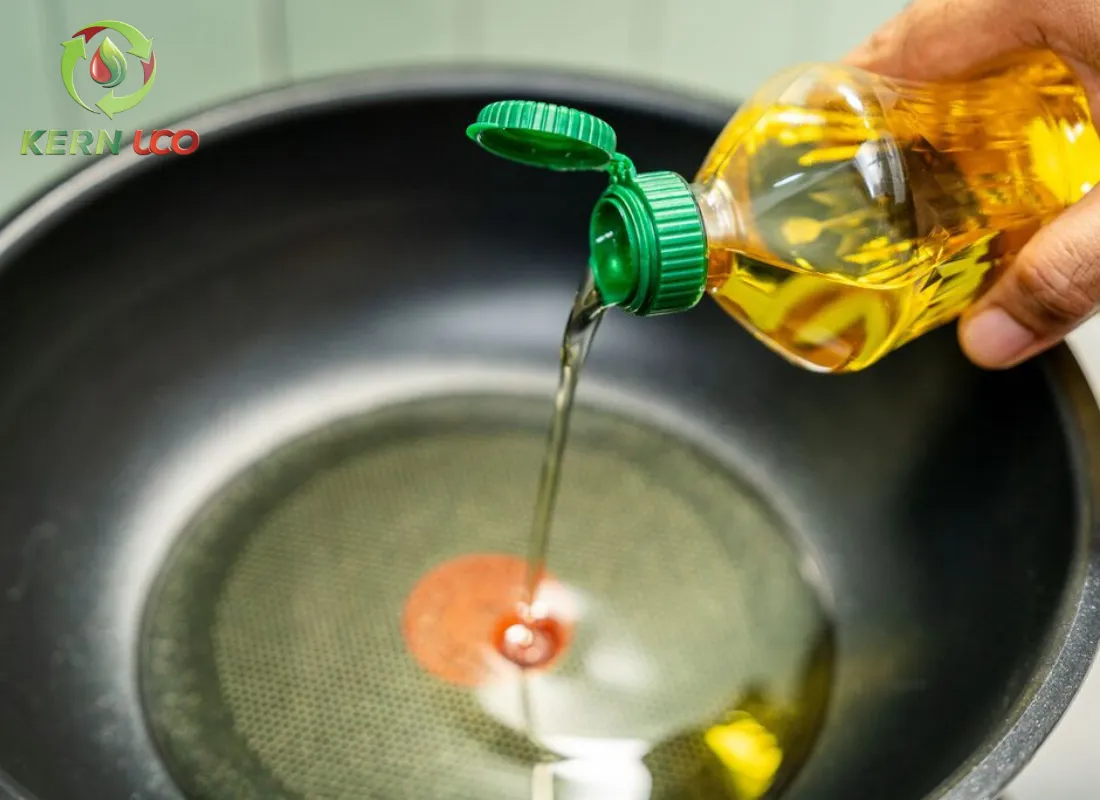
In any commercial kitchen, oil is one of the most frequently used ingredients. Whether it’s frying fries, chicken, samosas, or snacks, oil plays a central role in food preparation.
However, after repeated heating cycles, oil breaks down and becomes unsafe for cooking. At this stage, it turns into waste that needs to be handled carefully.
If not managed properly, used cooking oil can lead to:
Blocked drainage systems
Increased maintenance costs
Hygiene issues and pest attraction
Fire hazards in kitchens
Environmental pollution
But beyond these risks, there is also a missed opportunity: used oil has recycling value.
That is where used cooking oil recycling and professional oil recycling services come in.
What Is Used Cooking Oil Recycling?
Used cooking oil recycling is the process of collecting waste oil from restaurants and converting it into useful products instead of disposing of it as garbage.
Once collected, the oil is processed into:
Biodiesel fuel
Industrial lubricants
Soaps and detergents
Renewable energy sources
This process supports a circular economy where waste is reused instead of discarded.
For restaurants, this means your waste product becomes part of a larger sustainable supply chain.
The Hidden Cost of Poor Oil Disposal
Many restaurants still dispose of oil incorrectly, either by pouring it down drains or throwing it in general waste bins. While this may seem like a simple solution, it creates hidden costs.
1. Plumbing and Drain Repairs
Oil solidifies inside pipes, leading to blockages that require expensive repairs.
2. Grease Trap Maintenance
Without proper oil management, grease traps fill up faster and require frequent cleaning.
3. Increased Cleaning Costs
Kitchen hygiene becomes harder to maintain when oil spills and buildup occur.
4. Regulatory Fines
Improper disposal can violate environmental and sanitation laws.
5. Equipment Damage
Accumulated grease affects kitchen equipment performance over time.
These costs often go unnoticed but add up significantly over months and years.
How Oil Recycling Services Work
Professional oil recycling services are designed to make the entire process easy for restaurant owners.
Here’s how it typically works:
Step 1: Oil Storage Setup
Restaurants are provided with secure containers for storing used cooking oil safely.
Step 2: Scheduled Collection
A collection team visits on a scheduled basis to pick up the oil.
Step 3: Safe Transportation
The oil is transported in sealed, leak-proof containers to recycling facilities.
Step 4: Recycling Process
At the facility, oil is filtered, cleaned, and processed into usable industrial or fuel products.
Step 5: Compliance Reporting
Many services provide documentation for environmental compliance and tracking.
This system eliminates stress for restaurant owners and ensures proper waste handling.

How Restaurants Save Money Through Oil Collection
One of the biggest advantages of used cooking oil recycling is financial savings.
1. Reduced Maintenance Costs
Proper oil disposal prevents drain blockages and plumbing issues.
2. Lower Grease Trap Expenses
Less oil entering drainage systems means less frequent cleaning.
3. Avoided Penalties
Compliance with environmental rules prevents fines and legal issues.
4. Revenue From Waste Oil
In many cases, collected oil has market value and can generate additional income.
5. Longer Equipment Life
Clean systems reduce wear and tear on kitchen infrastructure.
Over time, these savings can significantly improve restaurant profitability.
Environmental Benefits of Recycling Cooking Oil
Beyond financial advantages, used oil recycling plays a major role in environmental protection.
1. Reduced Water Pollution
Oil that enters drains eventually reaches water systems, harming aquatic life.
2. Lower Carbon Emissions
Recycled oil is used in biodiesel production, reducing fossil fuel dependency.
3. Waste Reduction
Instead of going to landfills, oil is repurposed into useful products.
4. Renewable Energy Support
Biodiesel from used oil is a cleaner alternative to diesel fuel.
By participating in oil recycling services, restaurants actively contribute to environmental sustainability.
Role of Restaurant Sustainability Practices
Modern customers are more aware of environmental issues than ever before. They prefer businesses that follow responsible restaurant sustainability practices.
Managing used cooking oil properly is a key part of this.
Restaurants that adopt recycling systems benefit from:
Improved brand reputation
Increased customer trust
Stronger community image
Better ESG (Environmental, Social, Governance) performance
Sustainability is no longer optional it’s a competitive advantage.
Common Mistakes Restaurants Make With Waste Oil
Even experienced restaurant owners make mistakes when handling used oil.
1. Mixing Oil With Other Waste
This reduces recyclability and value.
2. Storing Oil in Unsafe Containers
Leads to leaks, odors, and hygiene issues.
3. Irregular Collection Scheduling
Delays increase contamination risks.
4. Improper Drain Disposal
Still one of the most damaging and costly mistakes.
5. Not Using Professional Services
Without expert handling, oil waste becomes a liability.
Avoiding these mistakes ensures smoother operations and better cost control.
How to Choose the Right Oil Recycling Partner
Not all oil recycling services offer the same quality. Choosing the right partner is critical.
Look for:
Certified and licensed operations
Reliable pickup schedules
Transparent pricing models
Eco-friendly processing methods
Strong customer support
Experience in restaurant industry handling
A trustworthy provider ensures compliance, efficiency, and peace of mind.
Real Business Impact: Cost + Sustainability Combined
When restaurants implement proper used cooking oil recycling, the benefits go beyond just saving money or helping the environment they combine both into a powerful business advantage.
Financial Impact:
Lower maintenance costs
Reduced plumbing emergencies
Possible income from used oil
Fewer operational disruptions
Environmental Impact:
Reduced pollution
Cleaner water systems
Lower carbon footprint
Support for renewable energy
Business Impact:
Stronger brand image
Customer trust and loyalty
Competitive advantage in the market
Together, these factors make oil recycling a smart long-term strategy.
Internal Resource for Further Learning
To understand more about practical oil management and local collection options, you can explore this detailed guide kernuco.
This resource provides deeper insights into how restaurants can find reliable recycling solutions in their area.
Final Thoughts
Used cooking oil is often treated as waste, but in reality, it is a valuable resource when managed correctly. Through professional used cooking oil recycling and reliable oil recycling services, restaurants can significantly reduce operational costs while also contributing to environmental protection.
At the same time, adopting strong restaurant sustainability practices helps businesses stay competitive in a market where customers increasingly care about eco-friendly operations.
The shift toward proper oil collection is not just a trend it is a long-term business strategy that benefits your kitchen, your finances, and the planet.