Complete Guide to Used Cooking Oil Collection for Restaurants
Table of Contents
Why Used Cooking Oil Collection Isn't Optional Anymore
What Used Cooking Oil Recycling Actually Involves
Setting Up Your Kitchen for Efficient Collection
How to Choose a Collection Service That Won't Let You Down
Understanding Pickup Frequency and Storage Sizing
What Happens After the Oil Leaves Your Kitchen
Oil Waste Management as Part of a Bigger Sustainability Picture
Common Mistakes That Cost Restaurants Money
Compliance, Regulations, and Why Documentation Matters
Building Staff Habits That Make Collection Effortless
Comparing Your Options: DIY Drop-Off vs. Professional Collection
Final Thoughts
Frequently Asked Questions
Why Used Cooking Oil Collection Isn't Optional Anymore
There was a time when tossing spent fryer oil wherever was convenient didn't raise many eyebrows. That time has pretty much passed. Between tightening municipal codes, rising awareness around sewer infrastructure damage, and the simple economics of a resource that's now genuinely valuable, used cooking oil collection has shifted from "nice to have" to "just part of running a compliant, functional kitchen."
Here's the thing though this shift isn't really a burden once you understand it. If anything, it's an opportunity. Oil that was once a problem you needed to dispose of is now something you are encouraged to bring back and in some cases, they're willing to pay you for. So the incentive structure has flipped in your favor, assuming you've got the right process in place.
What Used Cooking Oil Recycling Actually Involves
Let's clear up what's actually happening once that oil leaves your kitchen, because a lot of owners have only a vague idea.
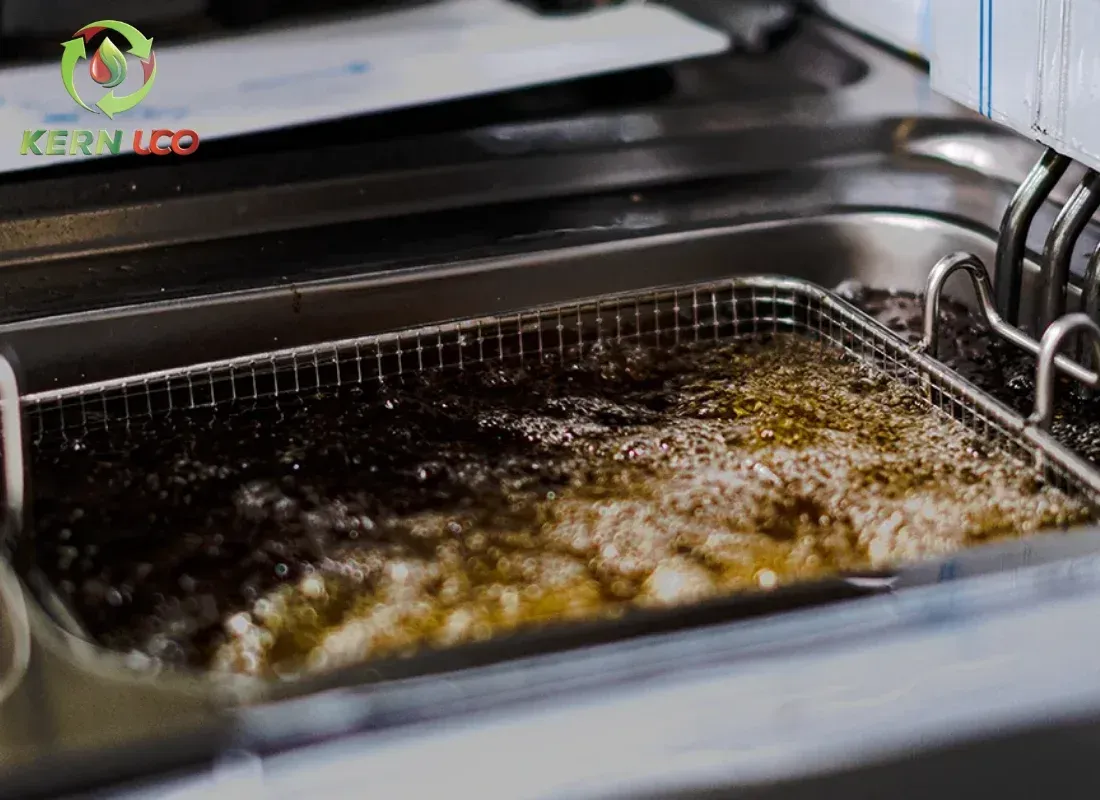
Used cooking oil recycling starts with collection oil is gathered from your storage container and transported to a processing facility. There, it's filtered to remove food particles, water, and other contaminants. Depending on the quality and the buyer's needs, it might then be converted into biodiesel through a chemical process called transesterification, refined into animal feed additives, or processed into industrial lubricants and soap bases.
Biodiesel is where most of the attention lands these days, mostly because it plugs directly into the renewable energy conversation. That oil from last Tuesday's fry basket could genuinely end up powering a delivery truck, a city bus, or contributing to research blends for sustainable aviation fuel. It's a pretty satisfying full-circle story when you think about it kitchen waste becoming something the world actually needs.
Why This Matters for Your Business Specifically
Beyond the environmental angle, there's a practical business case here too. Restaurants that can point to a legitimate recycling partnership have a genuine sustainability story to tell customers, which increasingly matters to diners who care about where their favorite spots stand on these issues. It's not just good practice it's good marketing, and it costs you nothing extra to mention it.
Setting Up Your Kitchen for Efficient Collection
Good collection starts with good setup, and this is where a lot of kitchens accidentally sabotage themselves without realizing it.
You'll want a dedicated, sealed storage container often called a grease caddy or oil tote positioned somewhere accessible but out of the main kitchen workflow, typically near the back door. It shouldn't be something staff have to dodge around during a rush, but it also shouldn't be so far removed that people avoid using it properly out of sheer inconvenience.
Labeling matters more than people expect. A clearly marked container reduces the chance of contamination from other liquids or debris, which keeps the oil quality higher and, in some cases, affects whether your recycler pays for the material or just hauls it away for free. Cleanliness around the storage area matters too spills attract pests, create odor issues, and can turn into their own compliance headache if left unaddressed.
It's also worth thinking about placement from a workflow perspective, not just a convenience one. A container tucked too far from the fryer line means staff are more likely to use a random bucket "just this once," which almost always turns into a recurring bad habit. On the flip side, a container placed directly in a high-traffic path becomes a tripping hazard during a busy shift. The sweet spot is usually a spot near the back exit that's part of the natural flow when someone's already heading that direction anyway close to trash disposal routes, for instance, so it becomes part of an existing routine rather than an extra errand.
How to Choose a Collection Service That Won't Let You Down
Not all providers operate the same way, and the difference between a good one and a mediocre one shows up fast usually the first time a pickup gets missed.
Start by asking about licensing and insurance. Improper hauling can create liability issues for your restaurant if something goes wrong during transport, so this isn't a detail to skip past. Next, ask directly where the oil actually ends up. A reputable company should be able to explain their process clearly, not give you a vague "we handle it" non-answer.
Reliability is the next big factor. Missed pickups aren't just annoying they lead to overflow, odor complaints, and potentially pest problems, all of which can escalate into health code violations if left unresolved. Reading reviews from other local restaurants can save you a lot of trial and error here, since word travels fast in the food service community about who actually shows up on schedule.
For a full walkthrough of how the collection process is structured from start to finish, Kern UCO's guide on how used cooking oil collection works breaks down what a well-run partnership should actually look like in practice.
Understanding Pickup Frequency and Storage Sizing
One of the most common questions from new restaurant owners is simply: how often do I actually need pickups? The honest answer is that it depends heavily on your volume, but there are some general patterns worth knowing.
A smaller café or coffee shop with limited frying might only need monthly pickups. A busy diner, fried chicken restaurant, or catering operation running multiple fryers could easily need weekly or biweekly service to avoid overflow. Getting this frequency wrong in either direction creates problems too infrequent, and you risk overflow and odor issues; too frequent, and you might be paying for pickups that aren't actually necessary yet.
Most collection services will do an initial assessment of your fryer usage and container size to recommend an appropriate schedule, and it's worth revisiting that schedule periodically, especially if your menu or volume changes seasonally.
What Happens After the Oil Leaves Your Kitchen
It's worth understanding the full journey, partly because it's genuinely interesting and partly because it helps you appreciate why proper collection matters so much.
Once picked up, oil is transported to a processing facility where it's filtered and tested for quality. High-quality oil, free of excessive water or food contamination, tends to fetch better value and processes more efficiently into biodiesel. Lower-quality batches might still get recycled, just through a less direct path sometimes requiring additional refining steps before they're usable.
This is actually a great argument for keeping your storage container clean and properly sealed. The better the quality of oil you're sending out, the more valuable it is on the other end, which sometimes translates directly into better pricing or terms for your restaurant.
Oil Waste Management as Part of a Bigger Sustainability Picture
Used cooking oil collection doesn't exist in isolation it's one piece of a broader oil waste management strategy that smart kitchens are building out. This includes pairing your oil recycling routine with regular grease trap cleaning, since grease traps catch the fats, oils, and grease that never make it into your designated storage container but still need proper handling.
Think of these two systems as complementary layers. Your oil collection process handles what you deliberately remove from the fryer. Your grease trap handles what washes off dishes, pans, and prep surfaces during normal daily operations. Neglect either one, and the other can't fully compensate they need to work together to actually protect your plumbing and keep you compliant.
Broader sustainability practices composting food scraps, using energy-efficient equipment, sourcing locally all pair naturally with a solid oil waste management foundation. None of these individual practices does all the work alone, but stacked together, they build toward a kitchen that treats environmental responsibility as routine operating procedure rather than an occasional gesture.
Common Mistakes That Cost Restaurants Money
A few patterns show up again and again in kitchens that struggle with oil collection, and most of them are entirely avoidable once you know to watch for them.
Overfilling containers past their rated capacity is a big one it leads to spills, which create cleanup costs and potential compliance issues. Skipping scheduled pickups to "save money" often backfires, since overflow problems and emergency cleanups usually cost more than the pickup itself would have. And failing to train new staff on proper oil handling means bad habits get passed down informally, often without management even realizing it's happening.
Another surprisingly common mistake is treating oil collection as a "someone else's problem" task with no clear owner. Without a designated person checking container levels and confirming pickup schedules, things slip through the cracks usually right around the busiest week of the month.
There's also the mistake of mixing oil types or letting other liquids find their way into the storage container. Water, food debris, or cleaning chemicals accidentally poured in can lower the quality of the batch, sometimes turning a payable load into one your recycler simply hauls away at no charge. And finally, some kitchens make the mistake of assuming their needs won't change sticking with the same pickup schedule year-round even as seasonal menus, catering events, or holiday rushes significantly increase fryer usage. A quick seasonal check-in with your provider can prevent the overflow issues that tend to show up right when you're least prepared to deal with them.
Compliance, Regulations, and Why Documentation Matters
Most municipalities have specific codes governing how commercial kitchens handle fats, oils, and grease, and the penalties for non-compliance can range from fines to more serious operational restrictions for repeat violations. Even where enforcement feels inconsistent, the underlying expectation is pretty universal: restaurants shouldn't be letting oil and grease enter the public sewer system.
Keeping documentation pickup receipts, service agreements, container maintenance logs isn't just administrative overhead. If a health inspector or city official ever raises questions, having a clear, organized record of consistent compliance can turn a potentially stressful situation into a quick, uneventful conversation.
Building Staff Habits That Make Collection Effortless
The best systems are the ones your team barely has to think about because they've become routine. Train new hires on proper oil handling from their very first week, rather than assuming they'll absorb it through observation alone. Post a simple checklist near the storage area so nobody has to guess what's expected.
Encourage staff to flag issues early a container filling faster than usual, an odor near the storage area, anything out of the ordinary. Small observations caught early prevent much bigger headaches down the line. Consistency here really does compound; a kitchen where everyone treats oil handling as second nature avoids the kind of scrambling that happens in kitchens where it's an afterthought.
Comparing Your Options: DIY Drop-Off vs. Professional Collection
Some smaller operations wonder whether they can skip professional collection entirely and just drop oil off at a municipal recycling center themselves. Technically, in small quantities, this is sometimes possible. But for most commercial kitchens generating regular volume, it quickly becomes impractical the time cost of hauling oil yourself, plus the inconsistency of drop-off availability, usually outweighs whatever you'd save.
Professional collection services exist precisely because this problem doesn't scale well as a DIY task. It's worth comparing a few options in your area to see how programs are typically structured; some restaurant owners find it useful to look at how established regional providers like Northwest Grease Recycling run their collection models, just to get a sense of what a well-organized service should look like before choosing a partner closer to home.
Final Thoughts
At the end of the day, used cooking oil collection isn't complicated once you break it down it just requires a system instead of improvisation. Get your storage setup right, choose a reliable partner, establish a pickup rhythm that matches your actual volume, and make sure your team understands why it matters. Do that, and used cooking oil recycling stops being a background chore and becomes a genuinely valuable part of how your kitchen operates good for your plumbing, good for compliance, and good for the story you get to tell your customers about how your restaurant actually runs.
Oil waste management, at its core, isn't about doing something extra. It's about doing something you're already doing anyway, just a little more intentionally.
Frequently Asked Questions
1. How much used cooking oil does a typical restaurant produce? It varies widely depending on menu and volume, but many mid-sized restaurants generate anywhere from a few dozen to several hundred gallons annually, which is why matching pickup frequency to actual usage matters so much.
2. Do restaurants get paid for their used cooking oil? Often, yes. Depending on local market rates and volume, many recycling companies offer payment for oil, while others provide free pickup as an alternative to charging disposal fees.
3. What's the difference between used cooking oil collection and grease trap cleaning? Oil collection handles the oil you actively remove from fryers, while grease trap cleaning addresses residual fats, oils, and grease that wash into your plumbing during regular kitchen operations. Both are necessary pieces of a complete waste strategy.
4. How do I know if my collection container is the right size for my kitchen? Most collection services will assess your fryer usage during an initial consultation and recommend a container size and pickup frequency that matches your actual output, reducing the risk of overflow or unnecessary service costs.
5. What should I look for when switching to a new collection provider? Prioritize licensing, insurance, transparency about where the oil ends up, and consistency with pickup scheduling. Checking reviews from other local restaurants is one of the fastest ways to avoid providers with a track record of missed service.