Restaurant Oil Disposal Made Easy: A Complete Guide to Used Cooking Oil Recycling
Introduction,
Running a restaurant comes with many responsibilities, and one of the most important yet often ignored tasks is managing used cooking oil. From small cafés to large commercial kitchens, every food business generates waste oil daily. If restaurant oil disposal is not handled correctly, it can lead to clogged drains, health violations, environmental damage, and unnecessary expenses.
Many restaurant owners feel confused or stressed about how to manage waste oil properly. That’s why professional used cooking oil collection services exist to make the process simple, safe, and sustainable. This complete guide explains everything you need to know about used cooking oil recycling, how waste cooking oil collection service works, and why choosing the right partner can make restaurant oil disposal easy and worry-free.
Understanding Used Cooking Oil in Restaurants
Used cooking oil is the oil that has already been used for frying or cooking food and can no longer be reused. Over time, oil breaks down due to heat, food particles, and repeated use. This oil becomes unsafe for cooking and must be removed from the kitchen.
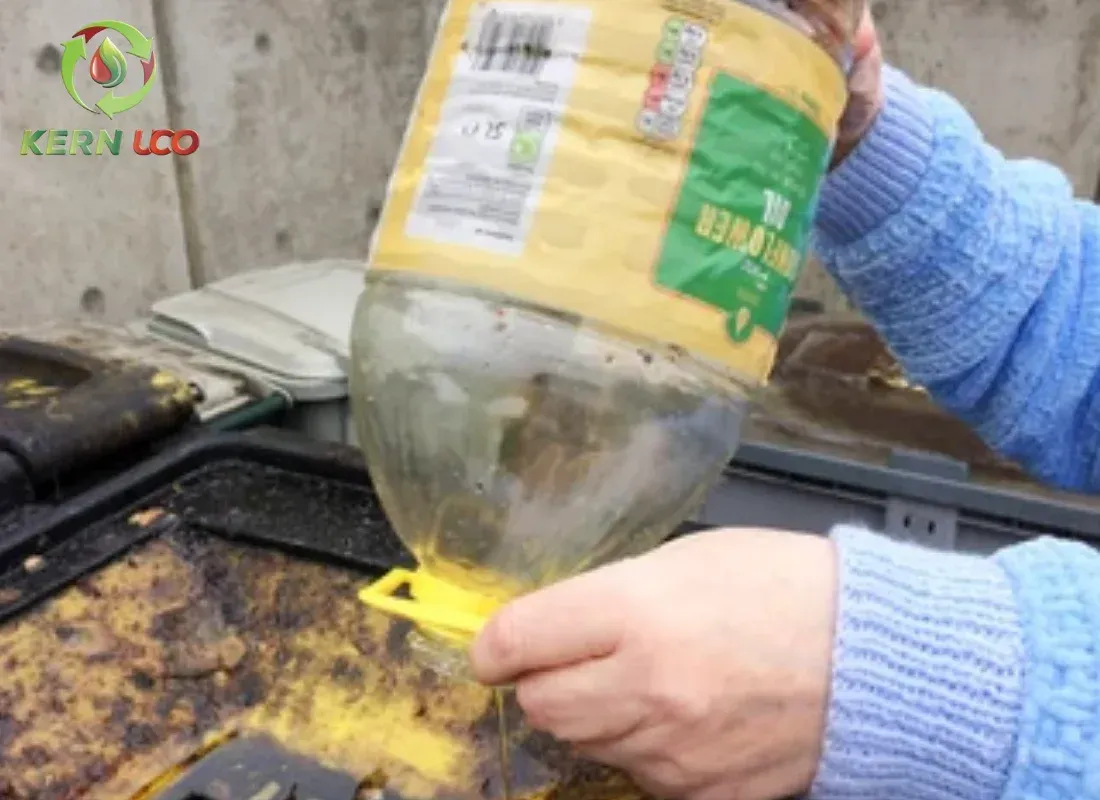
Every restaurant produces used oil, whether it’s from deep fryers, grills, or food prep areas. The problem starts when this oil is treated as normal waste. Pouring oil down the sink or throwing it in trash containers may seem convenient, but it causes serious problems.
Proper used cooking oil collection ensures that waste oil is handled safely, recycled responsibly, and kept out of sewer systems and landfills.
Why Restaurant Oil Disposal Is a Serious Responsibility
Restaurant oil disposal is not just a cleanliness issue it’s a legal and environmental responsibility. Improper disposal causes grease buildup in sewer lines, leading to blockages, flooding, and damage to public infrastructure. Cities and municipalities spend millions each year cleaning grease-clogged sewer systems, and restaurants are often held responsible.
Health departments closely inspect restaurant waste practices. If oil disposal is done incorrectly, restaurants may face fines, failed inspections, or even business closure. In many regions, strict rules apply to how waste cooking oil must be stored, transported, and recycled.
This is why professional waste cooking oil collection service is no longer optional it is essential.
Common Mistakes Restaurants Make With Waste Oil
Many restaurants unintentionally make mistakes when handling used cooking oil. These mistakes often happen due to lack of awareness or proper systems.
Some common mistakes include pouring oil into sinks or drains, dumping oil into trash bags, storing oil in open containers, or working with unlicensed collectors. These actions lead to plumbing damage, pest problems, bad odors, and safety hazards.
Another major risk is oil theft. Unsecured containers attract thieves who sell oil illegally, creating environmental and legal risks for restaurants.
Professional used cooking oil collection eliminates these risks by providing sealed containers and regulated pickup schedules.
What Is Used Cooking Oil Collection
Used cooking oil collection is a professional service that safely removes waste oil from restaurants and transports it to licensed recycling facilities. These services provide restaurants with secure storage containers and schedule regular pickups based on oil volume.
Once collected, the oil is cleaned and processed into renewable products such as biodiesel, renewable diesel, animal feed ingredients, and industrial materials. Instead of polluting the environment, waste oil becomes a valuable resource.
This system transforms restaurant oil disposal from a problem into a sustainable solution.
How Waste Cooking Oil Collection Service Works
A waste cooking oil collection service is designed to fit smoothly into restaurant operations. The process is simple and efficient.
First, the service provider delivers sealed, leak-proof containers to your restaurant. Kitchen staff pour used oil into these containers once it cools. When containers are full, the provider collects them on a scheduled pickup.
The collected oil is then transported to recycling facilities where it is processed safely. Documentation is provided to show compliance with regulations.
This process removes stress, saves time, and ensures legal restaurant oil disposal.
Why Used Cooking Oil Recycling Matters
Used cooking oil recycling plays a major role in environmental protection. When oil is recycled, it reduces pollution and supports renewable energy production.
Recycled cooking oil is commonly used to produce biodiesel, which burns cleaner than traditional diesel fuel. This helps reduce greenhouse gas emissions and dependence on fossil fuels.
Proper used cooking oil collection also prevents oil from entering waterways and soil, protecting wildlife and ecosystems. Restaurants that recycle oil contribute to a cleaner and healthier environment.
Searching for the Right Waste Cooking Oil Collection Service
When restaurant owners look for reliable waste cooking oil collection service, they usually want consistency, compliance, and peace of mind. A good service provider understands restaurant operations and local regulations.
Local providers often offer faster response times and flexible pickup schedules. They are familiar with regional waste management laws and health codes.
Choosing the right partner makes restaurant oil disposal easy and predictable.
Financial Benefits of Professional Oil Recycling
Many restaurant owners assume oil recycling is an added cost, but it often results in long-term savings. Proper used cooking oil collection prevents costly plumbing repairs caused by grease blockages. It also reduces the risk of fines from health departments.
Some waste cooking oil collection service providers offer rebates or payments for clean, uncontaminated oil. While not guaranteed for every restaurant, this can offset disposal costs.
By outsourcing oil disposal, staff spend less time managing waste and more time focusing on food quality and customer service.
Health and Safety Advantages in the Kitchen
Handling used oil without proper systems increases the risk of burns, slips, and injuries. Spilled oil creates slippery floors, while open containers attract pests and produce unpleasant odors.
Professional used cooking oil collection improves kitchen safety by providing sealed storage and regular removal. Staff are not required to lift heavy containers or deal with messy disposal methods.
A safer kitchen environment improves staff morale and reduces workplace accidents.
Legal Compliance and Peace of Mind
Health inspectors and environmental agencies closely monitor restaurant waste practices. Improper restaurant oil disposal can result in citations, fines, or legal action.
Licensed oil recycling companies provide documentation, service records, and compliance support. These records are valuable during inspections and audits.
Working with a professional waste cooking oil collection service protects your restaurant legally and reduces liability.
Preventing Used Cooking Oil Theft
Used cooking oil theft is a growing issue in the foodservice industry. Stolen oil is often sold in unregulated markets, causing environmental harm and legal risk.
Professional used cooking oil collection services prevent theft by providing locked containers and controlled pickup schedules. Clear documentation ensures ownership is tracked.
Secure oil storage protects your business and the recycling process.
Choosing the Best Used Cooking Oil Collection Partner
Not all oil recycling services offer the same level of quality. Restaurants should evaluate providers carefully.
Key factors include licensing, insurance, container quality, pickup reliability, and customer support. A good provider will customize service based on your oil volume and kitchen layout.
Reputation matters. A reliable partner makes restaurant oil disposal smooth and stress-free.
Trusted Industry Support and Recycling Networks
Strong recycling networks ensure that used oil is processed responsibly. Industry leaders like NW Grease play an important role in supporting sustainable oil recycling practices.
By working with established partners such as , restaurants contribute to ethical recycling systems and renewable energy development.
Reliable networks strengthen the entire recycling chain.
How Oil Recycling Supports a Sustainable Brand Image
Customers today care about sustainability. Restaurants that actively recycle used cooking oil show responsibility and environmental awareness.
Sharing your oil recycling efforts on your website or social media builds trust and attracts eco-conscious customers. Sustainability is no longer just good ethics—it’s good business.
Professional used cooking oil collection becomes part of your brand story.
Future Trends in Used Cooking Oil Recycling
The demand for renewable fuels continues to rise, and used cooking oil is a key resource. In the future, oil recycling technology will become even more advanced.
Restaurants may benefit from improved incentives, smarter collection containers, and digital tracking systems. Early adoption of professional waste cooking oil collection service positions restaurants ahead of regulations and industry changes.
Final Thoughts
Restaurant oil disposal does not have to be complicated or stressful. With professional used cooking oil collection, restaurants can manage waste safely, legally, and sustainably.
A reliable waste cooking oil collection service protects your kitchen, saves money, and supports the environment. By recycling used oil, restaurants turn waste into value and contribute to a cleaner future.
If you want to make restaurant oil disposal easy, the right recycling partner makes all the difference. Kernuco is dedicated to helping restaurants simplify oil management and move toward responsible, sustainable operations.