Smarter Kitchens Start Here: Modern Oil Recycling Solutions for Restaurants
Introduction:
The restaurant industry is evolving rapidly.With rising waste disposal costs, stricter environmental regulations, and consumer pressure to practice sustainability, restaurant owners are reconsidering their waste disposal practices.. Among the many opportunities for improvement, one area stands out as both practical and profitable: used cooking oil recycling.
For years, many restaurants viewed used cooking oil as nothing more than a waste product that needed disposal. Today, forward-thinking operators recognize that effective oil management can reduce costs, improve kitchen efficiency, support sustainability initiatives, and even contribute to revenue generation.
Modern restaurants are moving beyond basic disposal methods and embracing smarter systems that include professional used cooking oil collection, reliable waste cooking oil collection service providers, and advanced recycling programs.
In this guide, we'll explore how modern oil recycling solutions are transforming commercial kitchens and why every restaurant should consider upgrading its approach to oil management.
The Growing Importance of Oil Management in Restaurants
Every commercial kitchen generates waste oil. Whether it's from deep fryers, grills, or food preparation stations, cooking oil is a constant byproduct of restaurant operations.
Without a structured disposal and recycling system, used oil can create numerous challenges:
Clogged drains
Expensive plumbing repairs
Safety hazards
Regulatory compliance issues
Unpleasant odors
Environmental concerns
These problems not only increase operating expenses but can also disrupt daily kitchen operations.
Modern oil recycling solutions address these issues while creating new opportunities for efficiency and sustainability.
Why Traditional Oil Disposal Methods No Longer Work
In the past, many restaurants relied on basic disposal practices that focused solely on removing waste from the premises.
However, today's food service environment demands more.
Restaurant owners face:
Higher Operating Costs
Every maintenance issue impacts profitability.
Stricter Environmental Regulations
Municipalities increasingly regulate grease and oil disposal.
Sustainability Expectations
Consumers expect businesses to operate responsibly.
Increased Competition
Restaurants need every operational advantage available.
As a result, simply disposing of oil is no longer enough. Modern businesses need smarter solutions that create value.
Understanding Used Cooking Oil Recycling
Used cooking oil recycling is the process of collecting, processing, and repurposing used cooking oil into valuable products.
Rather than sending waste oil to landfills, recycling facilities convert it into:
Biodiesel fuel
Renewable energy products
Industrial lubricants
Agricultural materials
Alternative fuel sources
This process transforms a disposal challenge into a sustainable resource.
For restaurant owners, recycling provides both environmental and operational benefits.
How Modern Oil Recycling Solutions Benefit Restaurants
Improved Kitchen Efficiency
Clean kitchens operate more effectively.
Regular used cooking oil collection prevents storage areas from becoming cluttered and reduces the likelihood of spills.
Employees can focus on food preparation and customer service rather than managing waste-related issues.
Reduced Maintenance Costs
Improper oil disposal is one of the leading causes of plumbing problems in commercial kitchens.
Modern recycling programs help prevent:
Drain blockages
Grease buildup
Sewer backups
Emergency plumbing repairs
These preventative measures can save restaurants thousands of dollars annually.
Better Workplace Safety
Grease spills create slip hazards and increase the risk of workplace injuries.
Structured oil collection systems reduce these risks while creating cleaner work environments.
Enhanced Sustainability
Today's customers appreciate businesses that prioritize environmental responsibility.
Implementing used cooking oil recycling demonstrates a commitment to sustainable operations and waste reduction.
The Evolution of Used Cooking Oil Collection
Traditional oil disposal often involved manual handling, temporary storage, and inconsistent collection schedules.
Modern used cooking oil collection services have significantly improved the process.
Today's collection systems offer:
Scheduled Pickups
Restaurants can establish regular collection schedules based on their operational needs.
Secure Storage Solutions
Modern containers minimize spills, odors, and contamination.
Efficient Transportation
Professional providers safely transport oil for processing and recycling.
Compliance Support
Collection companies help restaurants meet environmental requirements.
These improvements reduce operational burdens while increasing reliability.
What Makes a Waste Cooking Oil Collection Service Valuable?
Choosing the right waste cooking oil collection service can have a significant impact on restaurant performance.
The best providers offer more than simple collection.
Key features include:
Reliability
Consistent service prevents overflow issues and operational disruptions.
Industry Expertise
Any experienced provider will know the special requirements of commercial kitchens.
Flexible Scheduling
Collection schedules should align with restaurant operations.
Sustainability Commitment
The provider should prioritize responsible recycling practices.
Customer Support
Quick response times help resolve issues before they become problems.
Many restaurant operators partner with trusted companies such as professional oil recycling and grease management specialists to streamline waste management while improving operational efficiency.
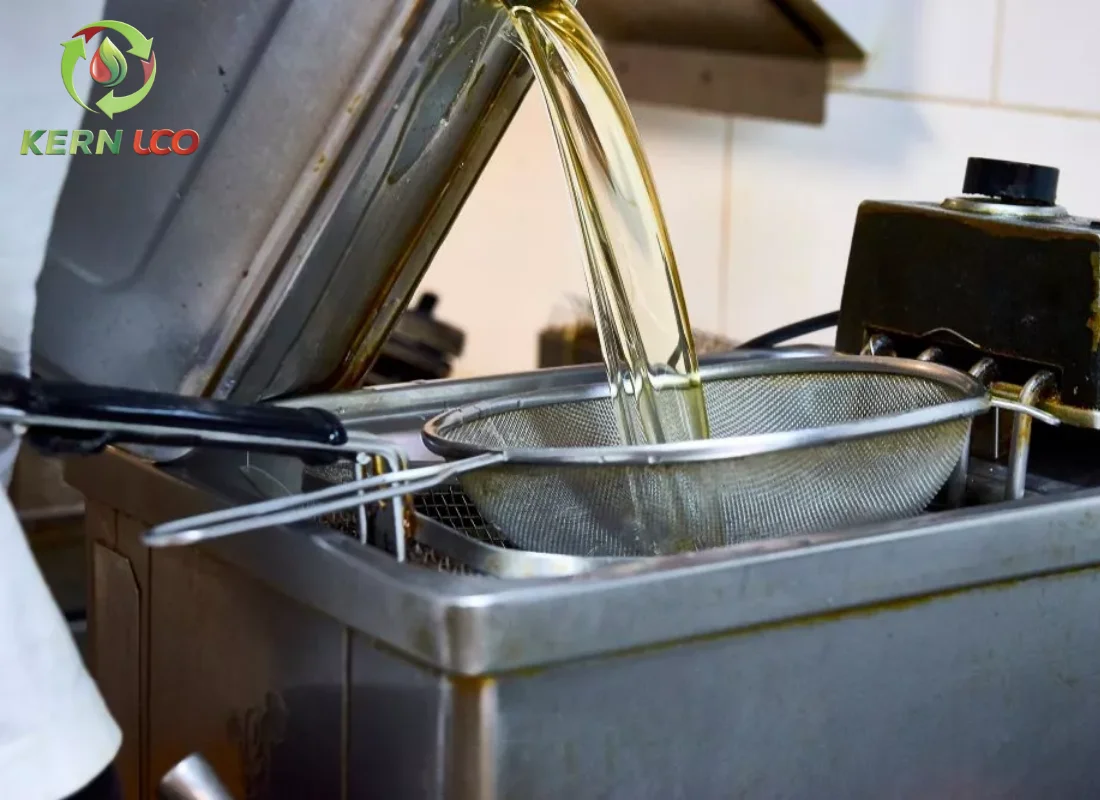
There are some signs that you will need to hire a better oil recycling system for your restaurant.
Not every restaurant realizes its current system may be underperforming.
Common warning signs include:
Frequent Plumbing Problems
Recurring drain issues often indicate poor oil management.
Overflowing Storage Containers
Inadequate collection schedules create operational risks.
Excessive Maintenance Costs
Rising repair expenses may point to inefficient disposal practices.
Persistent Kitchen Odors
Improper storage can contribute to unpleasant smells.
Compliance Concerns
Regulatory issues often stem from inadequate waste handling procedures.
If your restaurant experiences any of these challenges, it may be time to upgrade your recycling program.
Technology Is Changing the Future of Oil Recycling
The latest innovations are making oil management smarter than ever.
Smart Monitoring Systems
Sensors track oil levels and automatically notify collection providers when containers need servicing.
Automated Collection Equipment
Advanced systems reduce manual handling and improve safety.
Digital Reporting Tools
Restaurants can monitor collection schedules, recycling volumes, and sustainability metrics.
Data Analytics
Operators gain insights into oil usage patterns and waste generation trends.
These technologies help restaurants improve efficiency while reducing costs.
How Oil Recycling Supports Sustainability Goals
Environmental responsibility has become a major priority across the restaurant industry.
Consumers increasingly support businesses that demonstrate genuine sustainability efforts.
Implementing used cooking oil recycling helps restaurants:
Reduce Landfill Waste
Recycled oil remains in productive use rather than becoming waste.
Lower Carbon Emissions
Biodiesel produced from recycled oil generates fewer emissions than traditional fuels.
Support Renewable Energy
Recycling contributes to cleaner energy production.
Strengthen Brand Reputation
Customers appreciate businesses that invest in environmentally responsible practices.
These benefits create both environmental and business value.
Best Practices for Modern Restaurant Oil Management
To maximize the benefits of oil recycling, restaurants should follow proven best practices.
Establish Clear Procedures
Every employee should understand proper oil handling and disposal protocols.
Use Designated Storage Containers
Specialized containers improve safety and reduce contamination risks.
Schedule Consistent Collections
Regular service prevents overflow and operational disruptions.
Train Staff Regularly
Ongoing education ensures compliance and consistency.
Monitor Oil Usage
Tracking oil consumption can identify opportunities for efficiency improvements.
The Financial Advantages of Used Cooking Oil Recycling
Many restaurant owners focus primarily on environmental benefits, but the financial impact can be equally significant.
Lower Maintenance Expenses
Proper disposal reduces plumbing and equipment repair costs.
Improved Labor Efficiency
Employees spend less time dealing with waste management issues.
Reduced Compliance Risks
Avoiding violations helps prevent costly fines.
Better Resource Management
Monitoring and optimizing oil usage reduces waste.
Potential Revenue Opportunities
Some recycling programs provide compensation for collected oil.
Over time, these savings can significantly improve profit margins.
Creating a Greener Brand Through Smart Recycling
Modern consumers increasingly evaluate businesses based on sustainability practices.
Restaurants that invest in recycling often enjoy:
Improved customer loyalty
Stronger online reviews
Enhanced community reputation
Increased appeal to environmentally conscious diners
Sustainability has become a competitive advantage.
Oil recycling provides a simple and visible way to support those efforts.
Building a Long-Term Recycling Strategy
Effective oil management should be part of a broader operational plan.
Step 1: Assess Current Processes
Identify strengths and weaknesses in existing disposal methods.
Step 2: Select the Right Collection Partner
Work with experienced providers who understand restaurant operations.
Step 3: Train Staff
Ensure employees follow established procedures consistently.
Step 4: Monitor Performance
Track key metrics such as collection frequency and maintenance costs.
Step 5: Pursue Continuous Improvement
Look for opportunities to increase efficiency and sustainability over time.
Finding Oil Recycling Services Near You
Restaurants seeking reliable collection and recycling solutions can benefit from researching local providers and understanding available option.
This resource provides valuable information about locating trusted recycling services and improving waste oil management practices.
Common Mistakes Restaurants Should Avoid
Even well-intentioned businesses sometimes make avoidable mistakes.
Waiting Too Long Between Collections
Overflowing containers create safety and operational concerns.
Improper Storage
Unsecured containers increase spill risks.
Lack of Employee Training
Poor handling practices can undermine even the best recycling programs.
Ignoring Technology
Modern monitoring systems can significantly improve efficiency.
Choosing Providers Based Solely on Price
Quality service often delivers greater long-term value.
Avoiding these mistakes helps maximize the benefits of modern recycling systems.
The Future of Restaurant Waste Management
The future of restaurant operations is increasingly focused on sustainability, efficiency, and technology.
As recycling systems become more advanced, restaurants will gain access to:
Smarter collection solutions
Enhanced reporting capabilities
Automated waste management systems
Improved sustainability tracking
Businesses that adopt these innovations early will be better positioned for long-term success.
Final Thoughts
The most successful restaurants understand that operational excellence begins behind the scenes. While customers may never see your oil recycling program, they experience the results through cleaner kitchens, safer environments, and more sustainable business practices.
By investing in used cooking oil recycling, partnering with a reliable waste cooking oil collection service, and implementing structured used cooking oil collection systems, restaurants can reduce costs, improve efficiency, strengthen sustainability efforts, and support long-term growth.
Smarter kitchens truly start with smarter waste management. And in today's competitive restaurant industry, modern oil recycling solutions are no longer optional they are essential for success.