Commercial Grease Management 101: Best Practices for Restaurants
Table of Contents
Understanding Commercial Grease Management
The Risks of Poor Grease Management
Key Components of a Grease Management System
Best Practices for Restaurants
Grease Interceptor Cleaning: Why It Matters
Sustainable Practices and Environmental Responsibility
Choosing the Right Service Partner
Kern County Case Study: Successful Grease Management
Frequently Asked Questions
Internal & External Resources
Conclusion
Understanding Commercial Grease Management
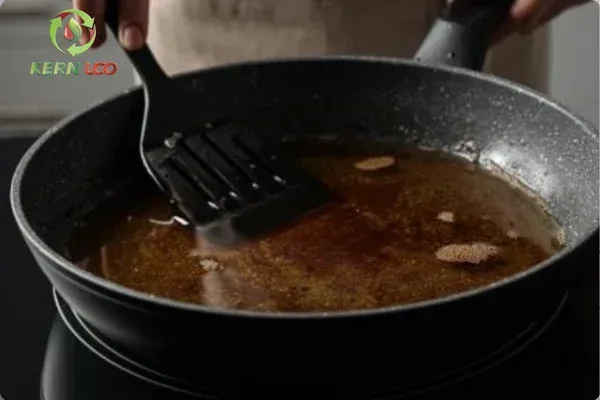
Commercial grease management refers to the comprehensive approach used by restaurants and foodservice operations to control, collect, and properly dispose of fats, oils, and grease (FOG) generated during food preparation. FOG includes:
Used cooking oils from fryers and stovetops
Animal fats from meats and sauces
Butter, margarine, and other solid fats
Without proper management, these substances can create major operational headaches, including blocked drains, overflowing grease traps, and health code violations.
Why Restaurants Need Effective Grease Management
Restaurants generate large amounts of grease daily. Failing to manage it properly can result in:
Plumbing blockages: Hardened grease in pipes leads to clogs and backups.
Regulatory fines: Health departments enforce strict guidelines on grease disposal.
Fire hazards: Grease accumulation is highly flammable, increasing the risk of kitchen fires.
Environmental damage: Improper disposal pollutes waterways and affects local ecosystems.
A structured restaurant grease management program mitigates these risks while optimizing kitchen operations and promoting sustainability.
The Risks of Poor Grease Management
Ignoring proper grease management may seem like a minor oversight, but the consequences are significant.
1. Blocked Pipes and Sewer Systems
Grease solidifies in pipes over time, combining with food particles to form fatbergs. These blockages can:
Slow water drainage
Cause overflows in sinks and drains
Result in costly emergency plumbing services
2. Health and Safety Hazards
Excess grease can create slippery surfaces, foul odors, and pest infestations. Staff safety is compromised, increasing liability risks for restaurant owners.
3. Legal and Financial Consequences
Municipalities have strict regulations regarding grease disposal. Non-compliance can lead to:
Hefty fines
Closure of kitchen operations
Legal action from local authorities
4. Environmental Implications
Improperly disposed grease enters local water systems, harming aquatic life and contributing to long-term environmental degradation.
Key Components of a Grease Management System
Effective commercial grease management relies on a combination of equipment, procedures, and staff training.
1. Grease Traps
Grease traps intercept FOG before it enters plumbing systems. Proper sizing and regular cleaning are critical for effectiveness.
2. Grease Interceptors
Larger-scale restaurants often install grease interceptors. These underground tanks capture large volumes of grease and require routine maintenance.
3. Used Oil Collection
Recycling used cooking oil complements grease management efforts. Collected oil can be repurposed into biodiesel or other products, supporting sustainability initiatives.
4. Staff Training
Employees must understand:
How to dispose of grease safely
The importance of filtering fryers
Proper cleaning techniques for sinks and drains
Best Practices for Restaurants
Implementing restaurant grease management requires a strategic approach. Here are proven best practices:
1. Regular Cleaning Schedule
Set a fixed schedule for cleaning grease traps and interceptors. Routine maintenance prevents blockages and ensures compliance.
2. Proper Oil Disposal
Never pour grease down drains. Use certified used cooking oil recycling services. Not only does this protect your plumbing, but it also supports eco-friendly initiatives. For more details on responsible oil recycling,
👉 Why Used Cooking Oil Recycling Matters
3. Monitor Grease Levels
Install monitoring systems or use manual checks to track FOG accumulation. Overfilled grease interceptors reduce efficiency and increase maintenance costs.
4. Train Your Staff
Educate kitchen staff on the risks of improper grease disposal and the correct procedures for handling FOG.
5. Invest in High-Quality Equipment
Durable, easy-to-clean grease traps and interceptors reduce labor, minimize spillage, and ensure long-term reliability.
Grease Interceptor Cleaning: Why It Matters
Grease interceptor cleaning is a critical aspect of any commercial kitchen’s operations. Interceptors prevent significant volumes of FOG from entering municipal sewer systems. Regular cleaning:
Maintains operational efficiency
Prevents unpleasant odors
Reduces the risk of fines
Extends the lifespan of your interceptor
Kitchens that schedule consistent cleaning avoid emergency interventions and minimize downtime.
Recommended Cleaning Frequency
The frequency depends on kitchen size, volume, and type of food prepared. Generally:
High-volume kitchens: every 2–4 weeks
Medium-volume kitchens: every 1–2 months
Low-volume or seasonal kitchens: quarterly
Monitoring your system allows for adjustments based on actual grease accumulation.
Sustainable Practices and Environmental Responsibility
Modern eco-friendly kitchen operations integrate sustainability with operational efficiency. Grease management is a key component:
1. Oil Recycling
Partnering with certified recyclers turns used oil into biodiesel or industrial products. Services like NW Grease provide responsible oil disposal solutions that reduce environmental impact.
2. Minimize Fats, Oils, and Grease at the Source
Use filtration systems for fryers
Avoid excessive oil in cooking
Optimize recipes to reduce waste
3. Track and Report
Maintaining logs for grease trap cleaning and oil recycling supports compliance and sustainability reporting.
Choosing the Right Service Partner
Selecting a reputable service provider is vital for maintaining efficient commercial grease management:
Certified Expertise: Ensure the company is licensed for grease collection and disposal.
Reliable Pickup Schedules: Timely service prevents overflow and compliance issues.
Environmental Commitment: Partners who recycle used oil and provide documentation help meet sustainability goals.
Local Knowledge: Providers familiar with Kern County regulations can navigate local compliance more effectively.
A reliable partner safeguards your kitchen operations and aligns with broader sustainability initiatives.
Kern County Case Study: Successful Grease Management
In Kern County, restaurants adopting proactive grease management practices report:
Fewer plumbing emergencies
Reduced fines and compliance issues
Lower operational costs
Positive community perception
High-performing establishments combine regular grease interceptor cleaning, staff training, and oil recycling to maintain seamless kitchen operations while promoting environmental responsibility.
Frequently Asked Questions
Q1: How often should grease traps be cleaned?
Cleaning frequency depends on volume. High-volume kitchens may need weekly cleanings, while smaller establishments may schedule monthly service.
Q2: Can I pour fryer oil down the drain if diluted?
No. Even diluted oil solidifies in pipes, causing blockages and environmental harm.
Q3: Is recycling used cooking oil cost-effective?
Yes. Recycling reduces waste, avoids fines, and can sometimes provide revenue if a partner offers incentives for collected oil.
Q4: Do grease interceptors require professional cleaning?
Yes. Professional cleaning ensures proper disposal of FOG, prevents contamination, and maintains operational efficiency.
Resources
For insights on responsible oil recycling:
Why Used Cooking Oil Recycling MattersFor professional grease and oil management services:
NW Grease
These resources provide actionable guidance for restaurants looking to optimize grease management while supporting sustainable kitchen practices.
Conclusion: Invest in Proper Grease Management Today
Effective commercial grease management is essential for modern restaurants. Proper practices prevent costly plumbing emergencies, ensure regulatory compliance, reduce fire hazards, and contribute to a greener, more sustainable environment.
By implementing routine grease interceptor cleaning, proper oil recycling, staff training, and monitoring systems, restaurants not only protect their business but also their community and the environment.
Prioritize restaurant grease management today because a well-managed kitchen is a profitable, safe, and sustainable kitchen.