How Oil Recycling Services Improve Restaurant Hygiene and Safety
Introduction:
Running a restaurant isn’t just about serving delicious food it’s about maintaining a clean, safe, and efficient kitchen environment every single day. Behind the scenes, one of the biggest challenges restaurant owners face is managing used cooking oil. It’s messy, hazardous, and if handled poorly, can quickly turn into a serious hygiene and safety issue.
That’s where used cooking oil recycling steps in not just as an environmental solution, but as a powerful tool for improving kitchen cleanliness, staff safety, and overall restaurant waste management.
Let’s break it down in a practical, real-world way. Because honestly, if your oil management system isn’t optimized, you’re probably dealing with more risks (and costs) than you realize.
Why Used Cooking Oil Is a Bigger Problem Than You Think
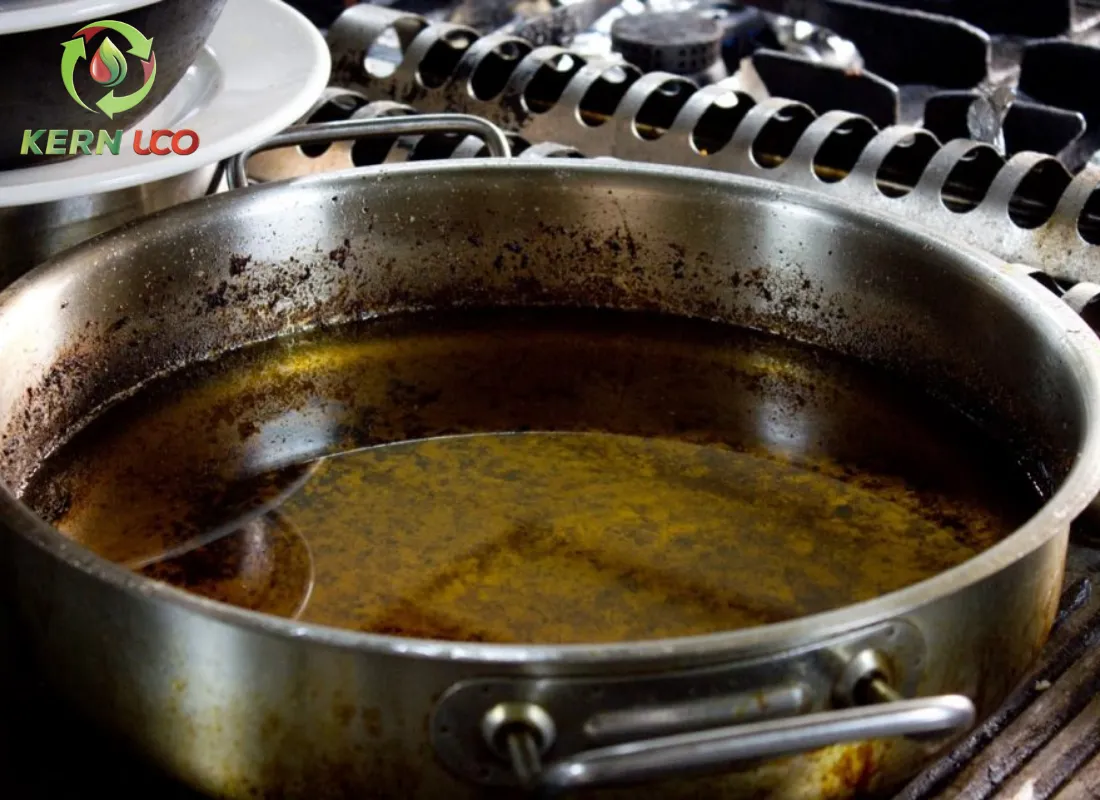
Consider how much oil usage a restaurant might be making on a daily basis if it's busy. Fryers run for hours, producing gallons of waste oil every week. Now imagine that oil being:
Stored improperly
Spilled on floors
Dumped down drains
Left sitting in open containers
Sounds like a disaster waiting to happen, right?
Poor oil handling doesn’t just create a mess it leads to:
Slippery floors and accidents
Bacterial growth and foul odors
Drain blockages and plumbing failures
Increased pest activity
Health code violations
This is exactly why used cooking oil recycling isn’t optional anymore it’s essential.
The Role of Used Cooking Oil Recycling in Modern Kitchens
At its core, used cooking oil recycling is about collecting, storing, and repurposing waste oil in a safe and sustainable way. But the real value goes far beyond recycling itself.
It creates structure and control in your kitchen.
Instead of chaos, you get a system.
Instead of risk, you get reliability.
Instead of waste, you get efficiency.
When done right, oil recycling becomes a cornerstone of effective restaurant waste management.
Cleaner Kitchens Start With Better Oil Handling
Let’s get practical.
A kitchen that handles oil poorly will never stay clean no matter how often you mop the floors.
How Oil Recycling Improves Cleanliness
Professional oil recycling services introduce:
Sealed storage containers
Spill-proof transfer systems
Scheduled pickups
Clean handling processes
This means no more:
Open buckets of oil
Dripping containers
Greasy footprints across the kitchen
Overflowing waste areas
The result? A kitchen that actually stays clean not just temporarily, but consistently.
And when cleanliness improves, everything else follows.
Reducing Slip-and-Fall Accidents
Here’s a simple truth: oil and floors don’t mix.
One small spill can turn into a serious workplace injury in seconds.
Slips and falls are among the most common accidents in restaurant kitchens and used oil is often the culprit.
How Recycling Services Improve Safety
With proper used cooking oil recycling, you get:
Controlled oil transfer systems
Reduced manual handling
Secure storage tanks
Minimal spillage
This dramatically lowers the risk of accidents.
Think of it like this: instead of employees carrying hot oil across the kitchen, the system does the work safely.
Less handling = fewer accidents.
The Hidden Link Between Oil Recycling and Grease Trap Maintenance
Owners of restaurants have viewed oil disposal and grease trap maintenance as two distinct problems.
They’re not.
They’re deeply connected.
What Happens Without Proper Oil Recycling?
When oil is dumped into sinks or drains:
It cools and solidifies
Sticks to pipe walls
Builds up over time
Blocks water flow
This puts massive pressure on your grease trap.
Why This Matters
Without proper grease trap maintenance, you’ll face:
Slow drainage
Sewer backups
Nasty odors
Expensive plumbing repairs
Now here’s the key point:
👉 The more oil you recycle properly, the less stress your grease trap experiences.
That means:
Fewer cleanings
Lower maintenance costs
Better kitchen hygiene
Oil recycling and grease trap care work together not separately.
Better Waste Management = Better Hygiene
Let’s zoom out for a second.
A clean kitchen isn’t just about wiping surfaces it’s about managing waste effectively.
And oil is one of the most difficult types of waste to control.
How Oil Recycling Strengthens Restaurant Waste Management
A structured recycling system:
Keeps waste organized
Prevents contamination
Reduces odors
Improves workflow
Supports sanitation standards
It also ensures compliance with local regulations something many restaurants overlook until it’s too late.
If you’re serious about restaurant waste management, oil recycling is one of the first things you should fix.
Professional Services Make the Difference
Here’s where many restaurants go wrong they try to manage oil disposal themselves.
That usually leads to:
Inconsistent handling
Missed pickups
Unsafe storage
Employee mistakes
Professional services eliminate these problems.
Companies like Kernuco explain why structured recycling systems are essential for modern kitchens and how they directly impact hygiene and operational efficiency.
What a Good Oil Recycling Service Provides
Scheduled and reliable pickups
Safe pumping systems
Spill prevention
Compliance with regulations
Clean storage solutions
It’s not just a service it’s a system upgrade for your entire kitchen.
Improving Air Quality and Eliminating Odors
Let’s talk about something every kitchen struggles with: smell.
Old cooking oil doesn’t just look bad—it smells terrible.
When left sitting in open containers, it creates:
Strong, unpleasant odors
Air contamination
An uncomfortable working environment
How Recycling Fixes This
With proper used cooking oil recycling:
Oil is stored in sealed containers
Pickups happen regularly
Waste doesn’t sit around
This keeps your kitchen air cleaner and more breathable.
And trust me your staff will notice the difference immediately.
Protecting Your Staff and Your Business
A safer workplace is not only better for the employees, it is better for business.
Workplace injuries, health violations, and sanitation issues can lead to:
Staff downtime
Legal liabilities
Fines and penalties
Reputation damage
Oil Recycling Reduces These Risks
By improving:
Floor safety
Waste handling
Equipment cleanliness
Compliance standards
You’re not just avoiding problems you’re building a stronger, more reliable operation.
Supporting Sustainability Without Complicating Operations
Here’s the bonus: oil recycling doesn’t just improve hygiene it also supports sustainability.
Recycled oil can be converted into:
Biodiesel
Renewable energy
Industrial products
So while you’re improving safety and cleanliness, you’re also contributing to a greener environment.
That’s a win-win.
If you’re exploring reliable service options, providers like NW Grease Services offer professional solutions that combine safety, compliance, and environmental responsibility in one package.
Common Mistakes Restaurants Still Make
Even today, many kitchens still struggle with oil management.
Let’s call out a few common mistakes:
1. Dumping Oil Down Drains
Still happenin and still causing major plumbing issues.
2. Using Open Containers
Leads to spills, odors, and contamination.
3. Ignoring Grease Trap Maintenance
Creates long-term hygiene problems and expensive repairs.
4. Inconsistent Recycling Schedules
Overflowing oil storage is both unsafe and unsanitary.
5. Lack of Staff Training
Even the best systems fail without proper training.
Fix these, and your kitchen instantly becomes cleaner and safer.
How to Build a Safer Oil Management System
Want to improve your kitchen starting today? Focus on these steps:
1. Switch to Professional Recycling Services
Stop relying on manual disposal methods.
2. Install Proper Storage Systems
Use sealed, durable containers or automated tanks.
3. Schedule Regular Pickups
Consistency is key to avoiding overflow and mess.
4. Train Your Staff
Make sure everyone understands safe oil handling practices.
5. Combine With Grease Trap Maintenance
Treat both systems as part of one strategy.
It’s not complicated but it requires consistency.
The Long-Term Impact on Your Restaurant
Here’s what happens when you get oil recycling right:
Cleaner kitchen environment
Safer working conditions
Lower maintenance costs
Fewer plumbing issues
Better regulatory compliance
Stronger brand reputation
Over time, these improvements compound.
Your kitchen runs smoother. Your staff works safer. Your business performs better.
Conclusion: Small Change, Big Impact
At first glance, oil recycling might seem like a small operational detail.
But in reality, it’s one of the most impactful upgrades you can make in your kitchen.
By implementing proper used cooking oil recycling, improving restaurant waste management, and staying consistent with grease trap maintenance, you create a cleaner, safer, and more efficient workspace.
And the best part?
You don’t just fix problems you prevent them.
Because in a restaurant kitchen, the difference between chaos and control often comes down to how well you manage the small things.
And used oil? It’s not small at all.
FAQs
1. How does used cooking oil recycling improve kitchen hygiene?
It prevents spills, reduces odors, and ensures oil is stored and removed safely, keeping the kitchen clean and organized.
2. Why is grease trap maintenance important alongside oil recycling?
Proper oil recycling reduces the amount of grease entering drains, which helps grease traps function efficiently and prevents blockages.
3. Can oil recycling reduce workplace accidents?
Yes, it minimizes manual handling and spills, significantly lowering the risk of slips and burns.
4. How often should oil be collected from a restaurant?
It depends on usage, but most busy kitchens require weekly or bi-weekly pickups to maintain hygiene and safety.
5. Is professional oil recycling better than handling it in-house?
Absolutely. Professional services ensure compliance, safety, consistency, and cleaner operations overall.