“Top 7 Benefits of Yellow Grease Collection for Commercial Kitchens”
Introduction,
Commercial kitchens are fast-paced, high-output environments where efficiency, cleanliness, and compliance are not optional they are survival requirements. From restaurants and hotels to cafeterias, bakeries, and food production facilities, one challenge remains constant: what to do with used cooking oil, also known as yellow grease.
Many kitchen operators still underestimate the long-term impact of poor restaurant oil disposal practices. Clogged drains, foul odors, fire hazards, fines, and even temporary shutdowns often begin with something as simple as mishandled cooking oil.
This is where Restaurant Cooking Oil Recycling and professional used cooking oil collection services play a transformative role.
In this in-depth guide, we’ll break down the top 7 benefits of yellow grease collection for commercial kitchens, explain why it matters more than ever, and share a real local success story that proves how the right oil management strategy can lead to measurable cost savings and operational improvements.
What Is Yellow Grease and Why It Matters
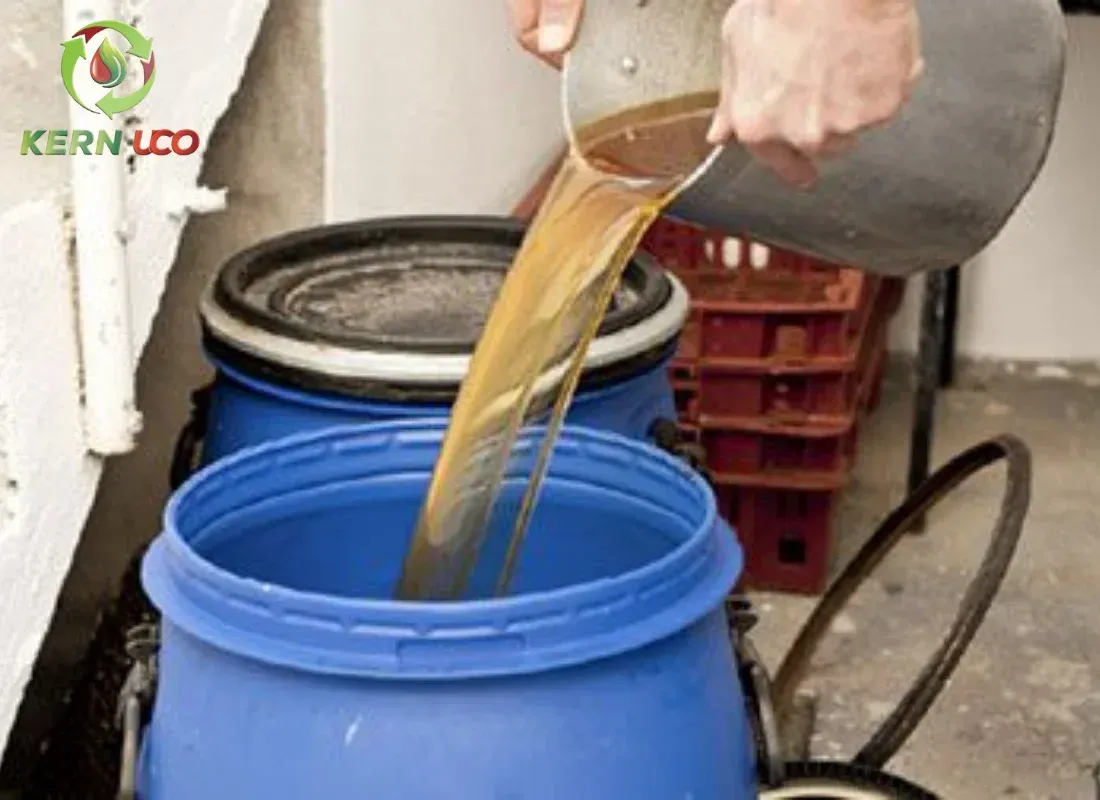
Yellow grease is used cooking oil that comes from fryers, grills, and food preparation equipment. It includes vegetable oil, canola oil, soybean oil, and similar non-animal fats that have been used for cooking.
When handled correctly, yellow grease is not waste it’s a valuable recyclable resource used to create:
Biodiesel
Renewable fuels
Animal feed additives
Industrial lubricants
When handled incorrectly, it becomes a serious liability.
Improper restaurant oil disposal can:
Block plumbing systems
Damage grease traps
Cause sewer overflows
Attract pests
Violate health and environmental regulations
Professional Restaurant Cooking Oil Recycling bridges the gap between sustainability, compliance, and operational efficiency.
Benefit #1: Prevents Costly Plumbing and Sewer Damage
One of the most immediate and measurable benefits of yellow grease collection is plumbing protection.
The Hidden Cost of Improper Oil Disposal
Pouring oil down sinks or floor drains may seem harmless in the moment, but over time, grease:
Solidifies inside pipes
Collects food particles
Restricts water flow
Causes backups and overflows
Municipal sewer authorities frequently trace blockages back to restaurants that fail to manage used cooking oil properly.
How Used Cooking Oil Collection Solves This
With a scheduled used cooking oil collection service:
Oil is stored in sealed containers
Removed before overflow risks occur
Kept out of drains entirely
Commercial kitchens using professional Restaurant Cooking Oil Recycling services report:
Fewer emergency plumbing calls
Reduced grease trap maintenance
Longer lifespan of internal piping systems
This alone can save thousands of dollars annually.
Benefit #2: Ensures Compliance with Local and Environmental Regulations
Environmental regulations around restaurant oil disposal are becoming stricter across cities and counties.
Why Compliance Matters
Improper handling of yellow grease can lead to:
Health department violations
Environmental fines
Business license issues
Temporary closures
Many municipalities require documented proof of used cooking oil collection and recycling.
How Kernuco Helps Kitchens Stay Compliant
By partnering with a professional provider like Kernuco, commercial kitchens receive:
Scheduled oil pickups
Proper documentation
Environmentally responsible recycling methods
Kernuco simplifies compliance through their professional restaurant oil disposal solutions. Their process is clearly outlined in their guide on
Restaurant oil disposal made simple
This proactive approach protects your business from legal risk while keeping inspections stress-free.
Benefit #3: Improves Kitchen Safety and Reduces Fire Hazards
Grease is highly flammable. Accumulated oil in improper containers or overflowing bins dramatically increases the risk of kitchen fires.
Safety Risks of Poor Yellow Grease Management
Oil spills create slip hazards
Open containers attract insects and rodents
Grease-soaked areas increase fire spread risk
Insurance claims related to grease fires often reveal poor oil handling as a root cause.
The Role of Restaurant Cooking Oil Recycling
Professional Restaurant Cooking Oil Recycling services:
Provide sealed, secure storage containers
Remove oil before overflow occurs
Reduce grease buildup near cooking areas
A safer kitchen means:
Fewer accidents
Lower insurance premiums
Better staff morale
Benefit #4: Enhances Operational Efficiency and Staff Productivity
Kitchen staff are trained to cook not manage waste logistics.
The Productivity Drain of DIY Oil Disposal
When kitchens handle oil disposal internally:
Staff waste time transferring oil
Mistakes happen during disposal
Focus shifts away from food quality
This inefficiency compounds during peak service hours.
How Used Cooking Oil Collection Streamlines Operations
With scheduled used cooking oil collection:
Oil disposal becomes automated
Staff follow simple, consistent procedures
Management no longer worries about storage or disposal timing
Professional restaurant oil disposal systems allow your team to focus on what matters most serving customers.
Benefit #5: Supports Sustainability and Environmental Responsibility
Modern diners care deeply about sustainability. Restaurants that practice Restaurant Cooking Oil Recycling actively contribute to a cleaner environment.
Environmental Impact of Recycling Yellow Grease
Recycled cooking oil can be converted into:
Biodiesel that reduces carbon emissions
Renewable energy sources
Sustainable industrial products
Instead of polluting water systems, your used oil becomes part of the green economy.
Strengthening Your Brand Image
Restaurants that highlight eco-friendly practices:
Build customer trust
Appeal to environmentally conscious consumers
Stand out in competitive markets
Professional recycling partners, including industry leaders like NW Grease, demonstrate how properly managed oil recycling benefits both businesses and the environment.
Benefit #6: Reduces Grease Trap Issues and Maintenance Costs
Grease traps are essential but they are also expensive to maintain when abused.
The Connection Between Yellow Grease and Grease Traps
Excess oil entering the drainage system:
Overloads grease traps
Causes frequent cleanouts
Leads to foul odors and backups
How Restaurant Cooking Oil Recycling Protects Grease Traps
By diverting oil into proper collection systems:
Grease traps operate more efficiently
Cleanout intervals extend
Maintenance costs decrease
Many kitchens see a 20–40% reduction in grease trap service expenses after implementing professional used cooking oil collection.
Benefit #7: Turns Waste Into Financial Value
Yellow grease is not just waste it has market value.
Monetizing Used Cooking Oil
Depending on volume and quality:
Collected oil can generate rebates
Long-term contracts reduce disposal costs
Businesses offset waste management expenses
Long-Term Financial Benefits
Professional restaurant oil disposal:
Eliminates emergency repair costs
Reduces regulatory fines
Improves budget predictability
Over time, kitchens that invest in structured Restaurant Cooking Oil Recycling experience significant ROI.
A Powerful Local Story: Real Savings from Smart Yellow Grease Collection
The Challenge
A mid-sized family-owned restaurant group operating three locations in California struggled with recurring plumbing issues, grease trap overflows, and rising maintenance bills.
Before implementing professional oil collection:
Plumbing emergencies occurred every 2–3 months
Annual grease-related repairs exceeded $18,000
Health inspections caused ongoing stress
The Solution
The group partnered with Kernuco to implement a structured used cooking oil collection and restaurant oil disposal plan:
Sealed outdoor containers installed
Weekly scheduled pickups
Staff training on proper oil handling
The Measurable Impact (Within 12 Months)
Zero plumbing emergencies
Grease trap cleanouts reduced by 35%
Annual maintenance costs dropped from $18,000 to $6,500
Improved inspection scores across all locations
The owners reinvested the savings into kitchen upgrades and staff training proof that professional Restaurant Cooking Oil Recycling delivers real financial and operational value.
Why Kernuco Is the Right Partner for Commercial Kitchens
Kernuco understands that commercial kitchens need more than just oil pickup they need reliable systems, compliance support, and peace of mind.
What Sets Kernuco Apart
Customized oil collection schedules
Compliance-focused restaurant oil disposal
Environmentally responsible recycling practices
Transparent documentation and support
Their approach helps kitchens of all sizes simplify oil management while maximizing long-term savings.
Learn more through their detailed resource on
restaurant oil disposal made simple
Final Thoughts: Yellow Grease Collection Is a Business Advantage
Yellow grease collection is no longer optional it’s a strategic necessity for modern commercial kitchens.
By investing in professional Restaurant Cooking Oil Recycling, businesses gain:
Lower costs
Higher safety standards
Regulatory compliance
Environmental credibility
Long-term operational stability
Whether you operate a single restaurant or manage multiple locations, structured used cooking oil collection and responsible restaurant oil disposal are essential to sustainable growth.
When done right, yellow grease management doesn’t just solve problems it creates opportunities.