Best Used Cooking Oil Collection Near Me: A Sustainable Solution for Restaurants
Table of Contents
Introduction: Why Used Cooking Oil Recycling Matters Today
Understanding Used Cooking Oil Recycling
Why Searching for “Oil Recycling Near Me” Is a Smart Business Move
The Environmental Impact of Improper Oil Disposal
How Professional Used Cooking Oil Collection Works
The Role of Grease Trap Cleaning in Sustainable Operations
Financial Benefits of Used Cooking Oil Recycling for Restaurants
Legal and Compliance Advantages for Food Businesses
How Recycling Supports Local Communities
Choosing the Right Used Cooking Oil Collection Partner
Real-Life Success Story: Turning Waste into Opportunity
How Kernuco Supports Sustainable Restaurant Practices
Future Trends in Oil Recycling and Sustainability
Frequently Asked Questions
Final Thoughts: Building a Greener Restaurant Business
Introduction: Why Used Cooking Oil Recycling Matters Today
In today’s competitive food industry, restaurants are expected to deliver more than just delicious meals. Customers, regulators, and communities now expect businesses to operate responsibly and sustainably. One often-overlooked aspect of restaurant operations is how used cooking oil is handled after it has served its purpose.
Every day, thousands of gallons of cooking oil are discarded by restaurants. When disposed of incorrectly, this waste oil can damage plumbing systems, pollute waterways, and lead to costly penalties. This is why Used Cooking Oil Recycling has become an essential part of modern restaurant management.
When restaurant owners search for “oil recycling near me,” they are not just looking for convenience. They are looking for reliability, compliance, and a way to reduce environmental impact. This guide will show you why professional oil collection services are crucial, how they support sustainability, and why partnering with trusted providers like Kernuco can transform your waste into long-term value.
Understanding Used Cooking Oil Recycling
What Is Used Cooking Oil?
Used cooking oil is oil that has been heated multiple times and is no longer suitable for food preparation. Over time, it degrades, loses quality, and becomes unsafe for cooking.
Common sources include:
Deep fryers
Griddles
Wok stations
Commercial kitchens
Instead of throwing this oil away, restaurants can recycle it into valuable products.
What Happens During Recycling?
When collected by professionals, used cooking oil is:
Filtered and cleaned
Processed at recycling facilities
Converted into biodiesel, animal feed, or industrial lubricants
Reintroduced into the supply chain
This closed-loop system makes Used Cooking Oil Recycling one of the most practical sustainability practices in the food industry.
Why Searching for “Oil Recycling Near Me” Is a Smart Business Move
Local intent plays a major role in service-based searches. When restaurant owners type “oil recycling near me,” they are looking for fast, dependable, and locally available solutions.
Benefits of Local Oil Recycling Services
Faster pickup times
Lower transportation costs
Better customer support
Knowledge of local regulations
Emergency response when needed
Local providers understand regional waste management laws and can help restaurants stay compliant while maintaining smooth operations.
Google’s Preference for Local Sustainability
Search engines favor businesses that demonstrate:
Environmental responsibility
Local relevance
High-quality service partnerships
By working with nearby recycling providers, restaurants improve their online visibility and reputation.
The Environmental Impact of Improper Oil Disposal
Improper oil disposal may seem harmless, but it creates serious environmental problems.
Common Disposal Mistakes
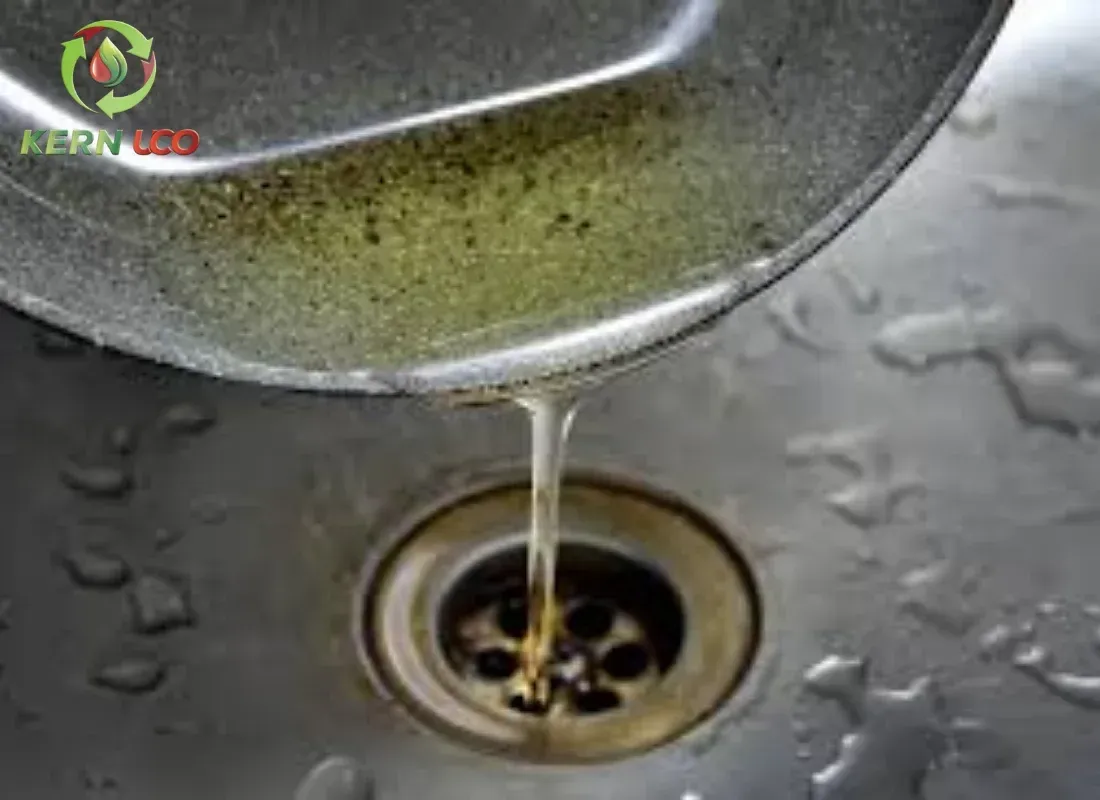
Pouring oil down sinks
Dumping oil in trash bins
Disposing oil in storm drains
Using unlicensed collectors
Environmental Consequences
These actions can result in:
Water pollution
Sewer blockages
Soil contamination
Harm to marine life
Increased carbon emissions
Only one gallon of oil has the ability to pollute thousands of gallons of water. By adopting professional Used Cooking Oil Recycling, restaurants actively protect their local environment.
How Professional Used Cooking Oil Collection Works
Professional collection services simplify the recycling process for restaurant owners.
Step 1: Secure Storage
Providers install leak-proof containers designed to prevent spills and odors.
Step 2: Scheduled Pickups
Pickups are arranged based on your oil usage, ensuring containers never overflow.
Step 3: Safe Transportation
Licensed drivers transport oil to certified processing facilities.
Step 4: Recycling and Reporting
Oil is recycled responsibly, and restaurants often receive documentation for compliance purposes.
This seamless system allows owners to focus on serving customers instead of managing waste.
The Role of Grease Trap Cleaning in Sustainable Operations
While oil recycling is critical, it works best when paired with proper grease management. That’s where Grease Trap Cleaning becomes essential.
Grease traps capture fats, oils, and grease before they enter sewer systems. Without routine maintenance, they can overflow and cause serious issues.
Why Grease Trap Cleaning Matters
Prevents plumbing backups
Eliminates foul odors
Ensures health code compliance
Reduces maintenance costs
Supports oil recycling efforts
Restaurants that combine oil recycling with regular grease trap maintenance experience fewer operational disruptions.
To learn more about professional grease management, visit this detailed guide on grease trap cleaning services and discover how proper maintenance supports sustainable restaurant operations.
Financial Benefits of Used Cooking Oil Recycling for Restaurants
Many restaurant owners are surprised to learn that recycling oil can improve their bottom line.
Reduced Maintenance Costs
Fewer clogged pipes
Less emergency plumbing
Lower equipment wear
Potential Revenue Opportunities
Some recyclers pay for quality used oil, creating an additional income stream.
Lower Waste Management Fees
Recycling reduces landfill disposal costs and waste hauling expenses.
Improved Brand Value
Eco-friendly restaurants attract loyal customers willing to pay more for responsible businesses.
When combined, these savings and benefits make Used Cooking Oil Recycling a smart financial investment.
Legal and Compliance Advantages for Food Businesses
Regulatory agencies closely monitor how restaurants handle waste.
Common Compliance Issues
Illegal dumping
Unlicensed collectors
Poor documentation
Environmental violations
How Recycling Helps
Professional recyclers provide:
Compliance certificates
Pickup records
Disposal documentation
Regulatory guidance
These records protect restaurants from fines, lawsuits, and reputational damage.
How Recycling Supports Local Communities
Recycling isn’t just good for your business it benefits your entire community.
Local Economic Impact
Job creation in recycling facilities
Support for green energy industries
Growth of waste management services
Environmental Improvements
Cleaner waterways
Reduced landfill waste
Lower carbon footprint
Improved public health
Many recycled oils are converted into biodiesel, which helps reduce reliance on fossil fuels. Companies like Start Green Commodities play a key role in transforming waste oil into renewable energy resources, contributing to a cleaner future.
Choosing the Right Used Cooking Oil Collection Partner
Not all recyclers provide the same level of service. Choosing the right partner is essential.
Key Qualities to Look For
1. Licensing and Certification
Always work with licensed and insured providers.
2. Transparent Pricing
Avoid hidden fees and unclear contracts.
3. Reliable Scheduling
Missed pickups can disrupt operations.
4. Clean Equipment
Containers should be secure, odor-free, and well-maintained.
5. Sustainability Commitment
Choose companies that prioritize environmental responsibility.
Kernuco works with trusted partners to ensure restaurants receive professional, ethical, and efficient services.
Real-Life Success Story: Turning Waste into Opportunity
Let’s look at a fictional but realistic example of how oil recycling can transform a restaurant.
The Challenge
“Sunset Grill,” a family-owned restaurant in California, was struggling with:
Frequent plumbing issues
High maintenance bills
Unpleasant kitchen odors
Negative online reviews
They were disposing of oil in trash bins and rarely cleaning their grease trap.
The Turning Point
After searching for “oil recycling near me,” the owner partnered with a professional recycler and scheduled regular grease trap cleanings.
The Results
Within six months:
Plumbing emergencies dropped by 80%
Maintenance costs fell by 35%
The restaurant earned small payments for recycled oil
Customer satisfaction improved
Health inspection scores increased
The Long-Term Impact
Sunset Grill began promoting its sustainability efforts online. Eco-conscious customers took notice, and revenue grew by 20% within a year.
This story shows how proper Used Cooking Oil Recycling isn’t just good for the planet it’s good for business.
How Kernuco Supports Sustainable Restaurant Practices
Kernuco is committed to helping restaurants operate responsibly while maintaining efficiency.
What Sets Kernuco Apart
Trusted industry partnerships
Focus on regulatory compliance
Educational resources
Emphasis on long-term sustainability
Customized service solutions
By integrating oil recycling, grease trap maintenance, and waste management strategies, Kernuco helps food businesses build strong, future-ready operations.
Future Trends in Oil Recycling and Sustainability
The waste management industry continues to evolve.
Emerging Trends
Smart Collection Systems
IoT-enabled containers notify collectors when full.
Renewable Energy Expansion
More oil is being converted into biodiesel.
Stricter Regulations
Governments are increasing environmental standards.
Consumer Awareness
Customers prefer eco-friendly restaurants.
Staying ahead of these trends ensures long-term success and compliance.
Frequently Asked Questions
How often should oil be collected?
Most restaurants schedule pickups weekly or bi-weekly, depending on volume.
Is oil recycling mandatory?
In many regions, improper disposal is illegal, making recycling the safest option.
Can small restaurants benefit?
Yes. Even small kitchens save money and improve compliance through recycling.
Does grease trap cleaning affect oil recycling?
Yes. Clean grease traps improve overall waste management efficiency.
Will recycling disrupt my operations?
No. Professional services work around your schedule.
Final Thoughts: Building a Greener Restaurant Business
In today’s environmentally conscious world, sustainability is no longer optional it is essential. Restaurants that invest in Used Cooking Oil Recycling, regular Grease Trap Cleaning, and professional waste management position themselves for long-term success.
By searching for “oil recycling near me” and partnering with reliable providers, you protect your business from legal risks, reduce costs, and strengthen your brand reputation.
Kernuco is proud to support restaurants in building cleaner, smarter, and more profitable operations. When you choose responsible oil recycling, you’re not just managing waste you’re investing in your future, your community, and the planet.